



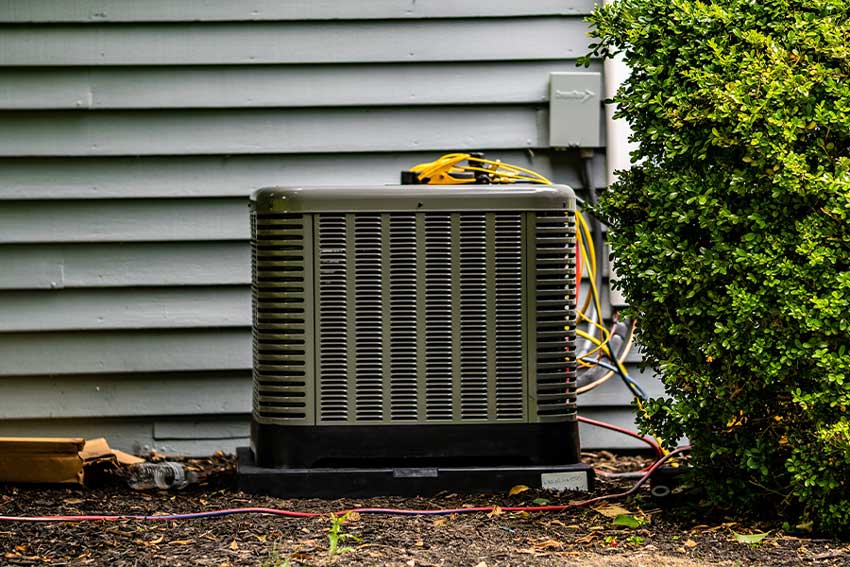
After a storm moves through Indian River Shores, safety comes first: turn off power to the AC unit and inspect for visible damage before doing anything else. Look for rust, mold, or frayed wires, and check the outdoor unit for debris. If you notice strange noises, unusual smells, or pooling water, it’s time to call a professional.
In our service calls throughout Indian River Shores, from properties along the barrier island to homes near the lagoon, storm damage to HVAC systems shows up often after a major weather event. Our AC repair team can help assess what’s really going on. Maintaining your AC well can help prevent future issues, and there’s more you can do to protect your system after flooding.
Prioritize Safety: Steps to Take Before Inspecting Your AC
Before inspecting an AC system after a storm, prioritizing safety matters most. Start by turning off power to the unit at the circuit breaker. This step prevents electrical hazards while the situation gets assessed properly.
Next, check for visible water damage around the unit, and be cautious of slippery surfaces nearby. If there’s standing water close by, it’s best to avoid the area until it clears to prevent accidents. Wearing protective gear, like gloves and boots, helps guard against debris or contaminants during inspection. It’s also worth checking for exposed wires or sharp objects that could pose a risk.
Once everything checks out as safe, the inspection itself can move forward with confidence. Taking these precautions protects everyone involved and helps ensure the AC system gets the proper care it needs to function safely again.
Identify AC Damage After Flooding: Key Signs to Look For
Evaluating an AC system for damage after a flood is essential to confirm it operates safely and efficiently going forward.
Start by checking for visible signs of water damage, including rust, corrosion, or mold on the unit and surrounding areas. Standing water around the system needs to be addressed right away. Electrical components deserve a close look too, since frayed wires or burnt connections can point to serious underlying issues.
Listening for unusual sounds when the AC starts up matters as well, since grinding or buzzing noises can signal trouble. Air filters are worth checking too, since floodwaters can leave them clogged with debris or mold. Any unusual smells when the system runs are worth noting, since they often mean something isn’t right. Professional heating maintenance after an incident like this can help prevent future issues from developing.
Key AC Checks After Flooding
Once visible damage has been identified, a few key checks help confirm the system is functioning properly.
Start with the air filter. If it’s wet or clogged, replacing it helps restore proper airflow. Next, check the outdoor unit for debris, making sure it’s clear of mud and leaves to help maintain efficiency. Electrical connections deserve a close look for corrosion too, since moisture can lead to serious issues if left unaddressed. If anything looks unusual, it’s best to avoid using the system until a professional can inspect it.
The thermostat is worth checking as well to confirm it’s working correctly, and a dehumidifier installation can help manage excess moisture in the home during the recovery period. Finally, listening for strange noises or vibrations when powering the system back on rounds out a thorough check.
Know When to Call a Pro: Spotting Serious AC Issues
Knowing when to call in a professional for AC issues comes down to a few clear warning signs. Strange noises, like grinding or hissing, coming from the unit are a red flag worth taking seriously.
Inconsistent cooling is another sign to watch for. If some rooms are noticeably warmer than others, that can point to a real problem. Water pooling around the unit or an unexplained increase in energy bills also calls for professional attention. Unusual odors are worth noting too, since they can signal electrical issues or mold growth. If a system is frequently cycling on and off, it may be struggling to function properly.
In any of these situations, reaching out to a professional sooner rather than later is the right call. At Bates Air and Heat, we’re ready to provide reliable service to restore comfort swiftly and effectively after storm damage.
Maintenance Tips: Keeping Your AC Running Smoothly After a Storm
Storms can take a real toll on HVAC systems, but a few proactive steps help ensure things run smoothly afterward.
Inspecting the outdoor unit for debris, mud, or water accumulation and clearing it away helps prevent blockages from forming. Changing the air filter matters too, since storms often leave filters clogged with dust and allergens that reduce airflow and efficiency. Checking for leaks or unusual moisture around the unit can catch bigger issues early, and testing the thermostat confirms it’s reading temperatures accurately after the storm has passed.
Our AC maintenance service covers all of these checks as part of a thorough post-storm visit, helping catch anything that might not be obvious right away.
Restoring Comfort After the Storm
AC systems can’t dry themselves out and bounce back on their own after a storm, but taking the time to inspect and properly care for the system goes a long way toward getting things back to normal. If your Indian River Shores home has been through recent flooding, the team at Bates Air and Heat is ready to help. Schedule your service today and let’s get your system running smoothly again.