



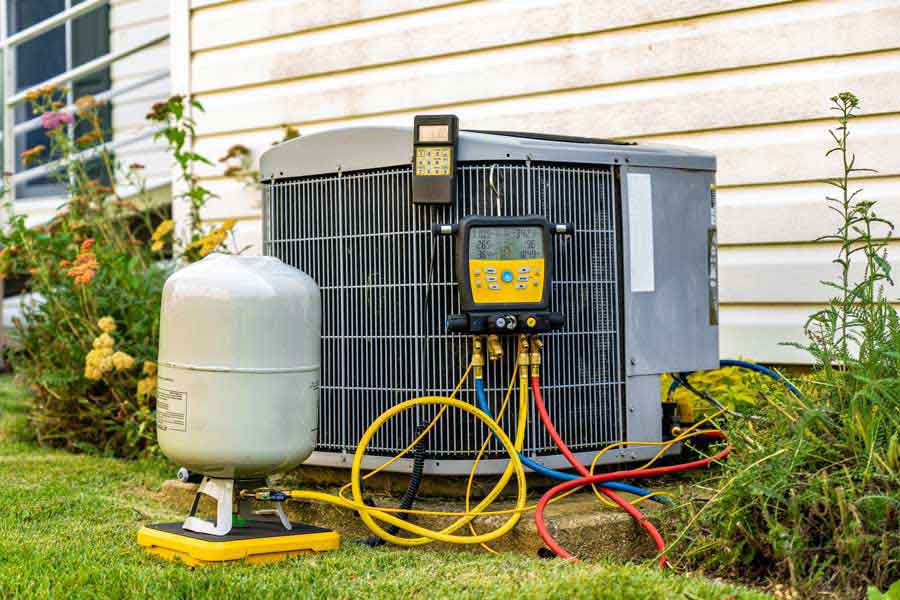
If your Fort Pierce AC isn’t cooling effectively, it might be a sign of a refrigerant leak. Watch for ice buildup on the coils, listen for hissing sounds, or check for oil stains around the unit. Rising energy bills can also hint at a problem worth investigating.
In our service calls throughout Fort Pierce, from homes near the Indian River to properties along Okeechobee Road, we see refrigerant leaks show up often once the summer heat really settles in. If you’re spotting these symptoms, it’s essential to confirm the leak and bring in a professional. Our refrigerant leak repair team can help. Let’s explore more ways to keep your system running smoothly and prevent leaks before they start.
How to Identify Signs of a Refrigerant Leak in Your Fort Pierce AC
Spotting a refrigerant leak early can save homeowners from costly repairs and discomfort down the line. Knowing which signs to watch for makes all the difference.
If an AC isn’t cooling as well as it should, that’s a red flag worth taking seriously. Ice buildup on the coils or hissing noises can also point to a leak. Increased energy bills are another common sign, since the system works harder to compensate for the lost refrigerant. Oil stains around the unit are worth checking too, since they can indicate refrigerant escaping from a connection point.
Paying attention to these symptoms helps homeowners address issues before they escalate. Professional air duct cleaning can also contribute to a more efficient system overall. Staying alert to these signs helps keep an AC running efficiently through the hottest stretches of the Fort Pierce summer.
How to Check for Symptoms of a Refrigerant Leak
Checking for symptoms of a refrigerant leak takes a bit of observation and attention to detail. Start with the system’s overall performance. If it’s blowing warm air or struggling to maintain a consistent temperature, that’s worth noting.
Unusual sounds, like hissing or bubbling, can indicate refrigerant escaping from somewhere in the system. Ice forming on the evaporator coils or refrigerant lines is another sign that often points to low refrigerant levels. A noticeable increase in energy bills can show up too, as the system works harder to keep a home cool.
A chemical smell near the unit is also worth paying attention to, since it can mean refrigerant is leaking somewhere nearby. Staying vigilant about these symptoms helps homeowners take the right steps before a small issue turns into a larger one. Timely professional attention can prevent more significant problems down the line.
How to Confirm a Refrigerant Leak
Confirming a refrigerant leak takes a few proactive steps beyond simply noticing symptoms. A visual inspection of the AC system, checking for oil or discoloration around the refrigerant lines and connections, is usually the first step, since these often point directly to a leak.
Listening for hissing or bubbling sounds near the unit can also suggest escaping refrigerant. A leak detector is another effective tool, since these devices can pinpoint leaks by detecting refrigerant in the surrounding air. Applying soapy water to joints and connections is a simple test too, since bubbles will form if there’s a leak present.
Checking overall system performance, including inadequate cooling or fluctuating temperatures, helps confirm suspicions as well. Excessive moisture from a malfunctioning system can also contribute to more serious issues in the home if left unaddressed.
When Should You Call an HVAC Pro for a Refrigerant Leak?
Knowing when to call in a professional for a refrigerant leak can save real time and money while keeping an AC system running efficiently. A few signs make it clear that it’s time to reach out for expert help.
A significant drop in cooling performance that thermostat adjustments don’t improve is one clear signal. A hissing or bubbling sound coming from the AC unit that can’t be identified is another. A chemical scent near the system is also worth taking seriously, since it can point directly to a refrigerant leak.
In these situations, it’s best to let a trained professional handle the repair, since diagnosing and fixing a refrigerant leak safely requires the right tools and training. Addressing any related thermostat issues at the same time helps ensure the whole system performs the way it should.
How to Prevent Refrigerant Leaks in Your AC System
Preventing refrigerant leaks starts with regular maintenance and a bit of attention to potential issues before they grow. Scheduling routine inspections with a trained technician helps ensure everything is running smoothly, since a professional can identify wear and tear, tighten connections, and replace worn-out components before they become a bigger problem.
Keeping the area around the outdoor unit clear of debris also helps, since it prevents physical damage and supports proper airflow. Checking insulation regularly matters too, since damaged insulation can contribute to leaks over time. Our AC maintenance service covers all of this as part of a routine visit, helping catch small issues early.
Monitoring system performance rounds out good prevention habits. If unusual noises or a drop in cooling efficiency show up, it’s worth acting quickly rather than waiting for the problem to grow.
Keeping Your Fort Pierce AC Leak-Free
Staying alert for signs of a refrigerant leak can save real money and discomfort down the line. Trusting your instincts when something feels off with your AC is often the first step toward catching a problem early. If you’re noticing any of these symptoms, don’t hesitate to reach out. Schedule your service today and let the team at Bates Air and Heat keep your system running smoothly all year round.