How Long Does an HVAC System Last?
Do you have any questions relating to your HVAC system? Call Bates Air and Heat for all the answers you need.
Your HVAC (heating, ventilation, and air conditioning) system provides the comforts you enjoy in your home or business premises. However, as with all complex mechanical equipment, HVAC systems don’t last forever. They’ll need replacing at some point.
Knowing the equipment’s lifespan will help you plan better for the replacement. So, how long does an HVAC system last? Bates Air and Heat, the top HVAC contractor in Vero Beach, has the answers in this post.
Estimating the Lifespan of an HVAC System
Different HVAC systems have different lifespans. Each one consists of individual components, interfacing in diverse ways. So their longevity will vary from one HVAC component to another.
Generally, you can expect your HVAC system to last between 10 and 25 years, depending on the component. The exact lifespan will also come down to certain factors.
Factors Affecting HVAC System Longevity
Some of the factors that will determine how long you get to enjoy your HVAC system include the following:
Equipment Quality
High-quality HVAC systems from well-respected brands will last longer and need fewer repairs than lower-quality equipment. This explains why professional plumbers only install HVAC products from well-known companies with a proven history of adhering to regulatory requirements.
Installation Quality
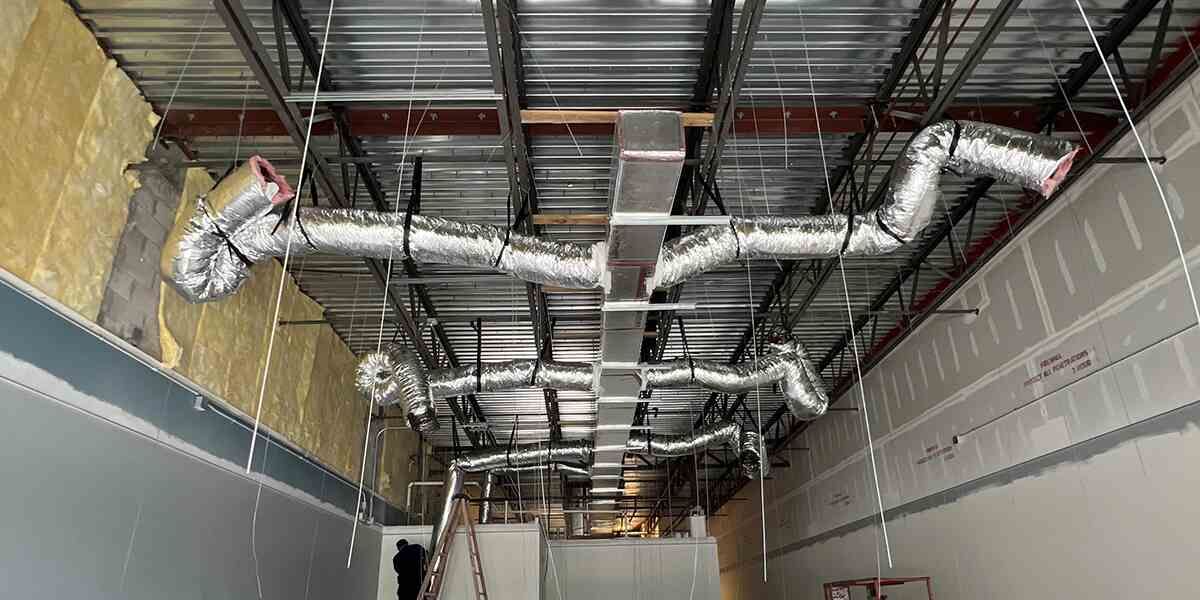
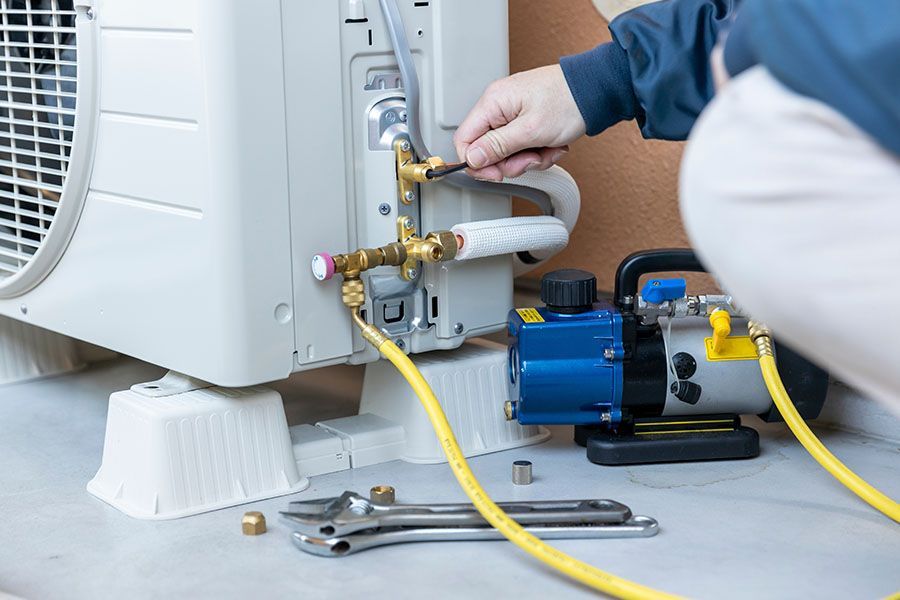
After buying a quality HVAC system, you must hire a licensed and experienced company to complete the installation process. A poorly installed HVAC system will not work as the manufacturer intended. This can often result in more frequent breakdowns and a shorter lifespan overall.
Climate and Usage Habits
One of the most logical answers to “How long does an HVAC equipment last?” is “It depends on the climate and how you use the system.” In a climate like ours here in Florida, air conditioners generally have to work longer and harder than furnace systems.
So, all other things being equal, you can expect your furnace to last longer than your air conditioner. The air conditioner might need replacing a year or two earlier than the manufacturer estimates.
Also, the longevity of residential HVAC systems remains closely tied to the fact that they don’t work as hard as commercial systems.
Maintenance Habits
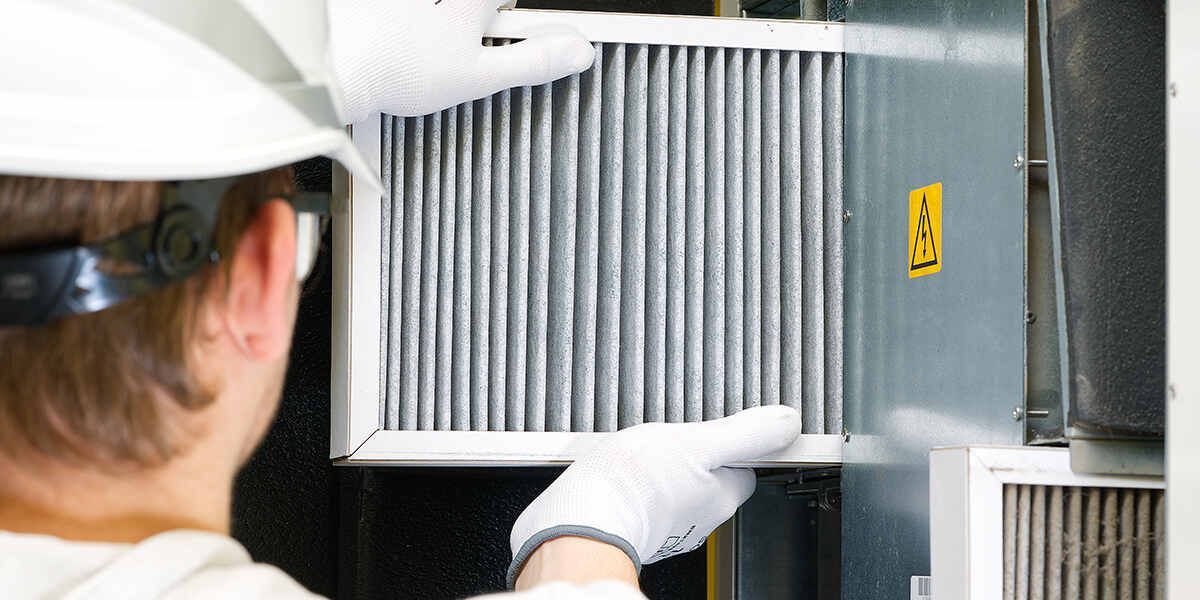
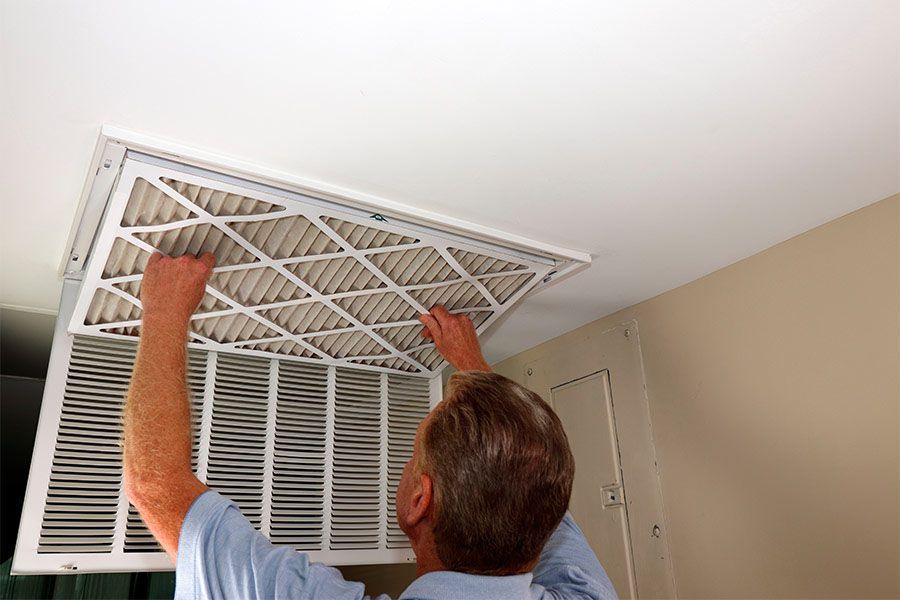
Regular HVAC maintenance helps maintain the durability of heating and cooling systems. Proper HVAC maintenance involves minor procedures like cleaning coils, changing filters, keeping the refrigerant levels balanced, etc.
However, without it, your HVAC system will break down more frequently. When breakdowns happen too often, you could end up with a complete system failure.
Insulation Levels
Poorly insulated properties put excessive strain on HVAC systems. These systems must work much harder to compensate for the lost conditioned air. The result is increased wear and tear and a faster decline to the point where you’ll definitely need a replacement.
The Average Age of HVAC Units
So, how long does an HVAC system last? Below, we provide an overview of the average age of various HVAC units.
Air Conditioners
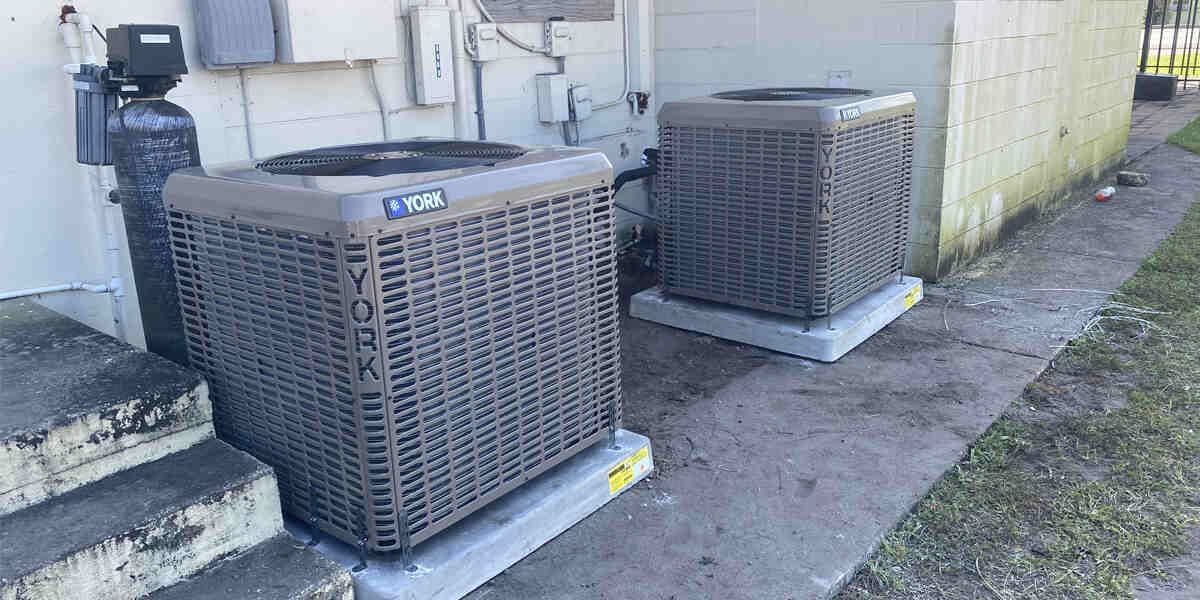
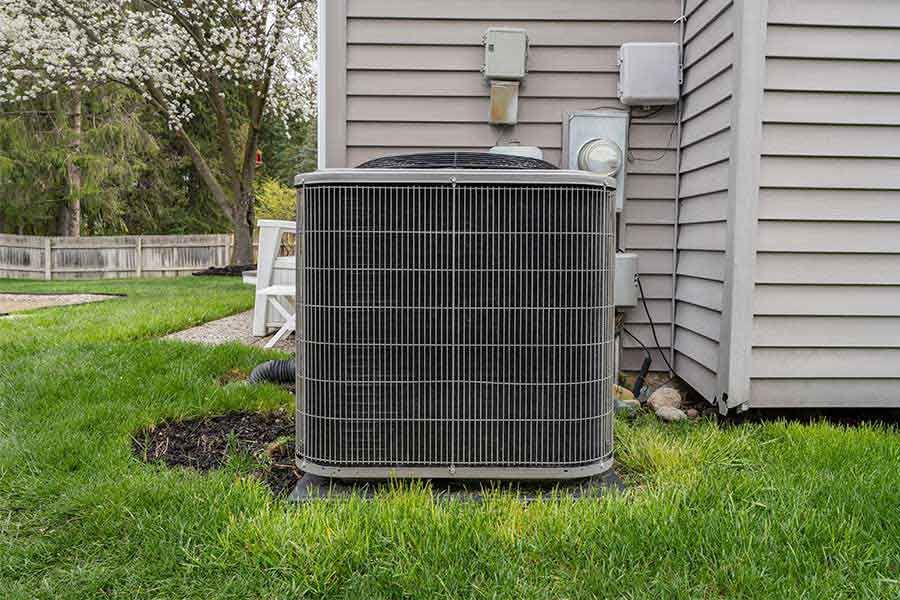
Most air conditioners will last 15 to 20 years. However, that lifespan can fall by up to 50% in coastal areas because regular salt exposure often leads to corrosion and leaks. Thus, many people in these areas needed to replace their air conditioners before the tenth year.
Heat Pumps
Most heat pumps last around 15 years on average. However, some geothermal systems can last up to 25 years with proper maintenance in a well-insulated home.
More people are embracing heat pumps because they offer both heating and cooling in one package. They also provide high energy efficiency.
Furnaces
The lifespan of a furnace largely depends on the type of fuel it uses. Gas furnaces generally have a 20–30-year lifespan, while oil furnaces have a 10–15-year lifespan. Most people choose natural gas furnaces because of their higher dependability. Natural gas is also readily accessible.
Radiant Heaters
Radiant heaters have a 15–20-year lifespan, depending on the type of the system. Most radiant heating systems offer energy efficiency. However, they work best for only heating specific parts of the home.
Ductless Mini Split Systems
Ductless mini-split HVAC systems can last 15-30 years, depending on type, model, and maintenance habits. The allure of these systems stems from their ability to supply efficient heating of specific areas of the home.
Common Signs It’s Time To Replace Your HVAC System
Now you have some idea of how long you can expect your HVAC system to last. However, you still need to know the signs of an HVAC system on its last legs to help you identify when one component of your HVAC has seen better days. Some of the top signs to watch for include:
- Frequent breakdowns. Well-maintained HVAC systems should effortlessly navigate a season without breaking down. If you find yourself calling in an HVAC technician multiple times over the course of a year to fix a particular system, it’s time to let it go.
- Uneven heating and cooling. The whole point of having an HVAC system is to enjoy time indoors in complete comfort. If your HVAC system no longer meets your heating and cooling needs, you likely need to consider a replacement.
- Higher energy bills. Modern HVAC systems provide better energy efficiency than older ones. If your energy bills have maintained an unsustainable upward curve in recent times, we recommend talking to an experienced HVAC technician about switching to modern, high-efficiency units.
Get Expert HVAC Guidance in Vero Beach, Florida, From Bates Air and Heat
How long does an HVAC system last? From our discussion thus far, you can see it’s highly subjective. For a more personalized HVAC system lifespan estimate, you’ll need to order an inspection from a highly qualified plumbing company like our team here at Bates Air and Heat.
Our highly experienced technicians can answer all the questions you have about your equipment’s lifespan. Are you thinking about other right questions to ask before buying that HVAC system? We can help.
Call the Bates Air and Heat team in Vero Beach, FL, today at
772-519-0301 to schedule a consultation.