Do HVAC Filters Clean Air?
Many HVAC experts tout the importance of changing your HVAC filter regularly. Remembering to switch them out can be an obstacle for any homeowner with a busy schedule. Couldn’t you just leave it in the return vent for another month? Do HVAC filters clean air to a point that you’d notice?
Bates Air & Heat’s HVAC contractors in Vero Beach, Florida, know that the answer depends on your lifestyle habits and HVAC preferences. We’ll extrapolate on an air filter’s role in the HVAC system and whether it actually cleans your indoor air below.
Why Is Indoor Air Quality Important?
Indoor air quality refers to the number of particles the air circulating through a building contains. Fewer particles mean good indoor air quality, while numerous particles — especially those that elicit an immune response — indicate poor quality. But what does air quality have to do with an HVAC filter?
You want the air circulating inside your home or business to contain as few particles as possible. A quality HVAC filter helps eliminate these particles, making the air cleaner and more breathable. High indoor air quality means all occupants enjoy better health.
How Do HVAC Filters Clean Air?
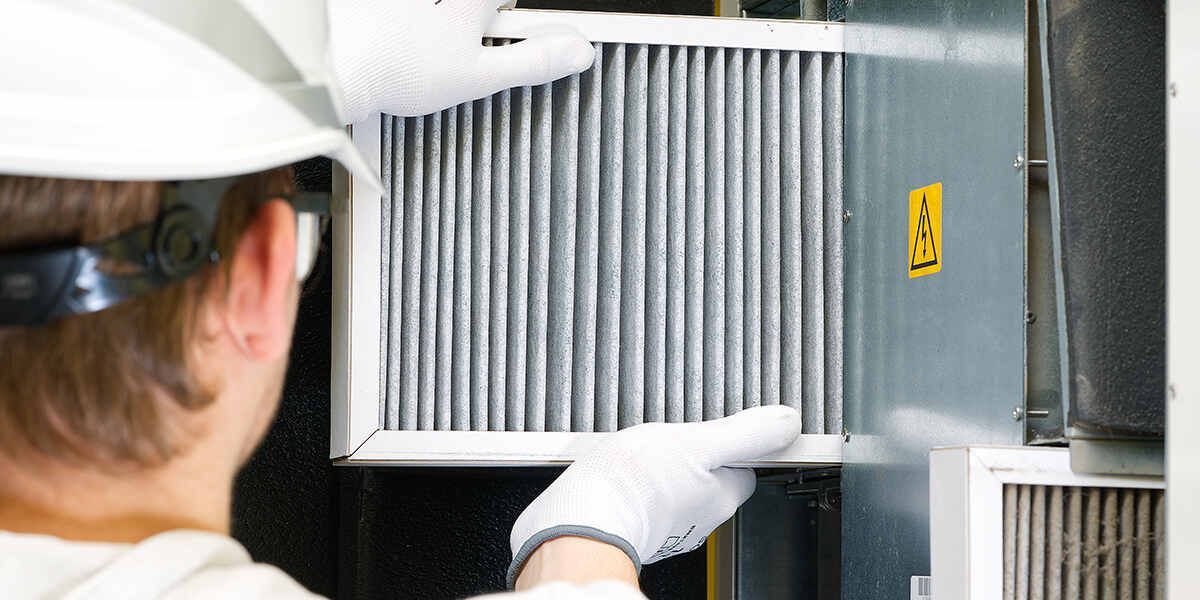
Yes, HVAC filters clean the air within a building. However, you can’t simply load one into your return register before cranking up the air conditioner. Most buildings have specific filtration needs to adequately protect the HVAC system and clean the air.
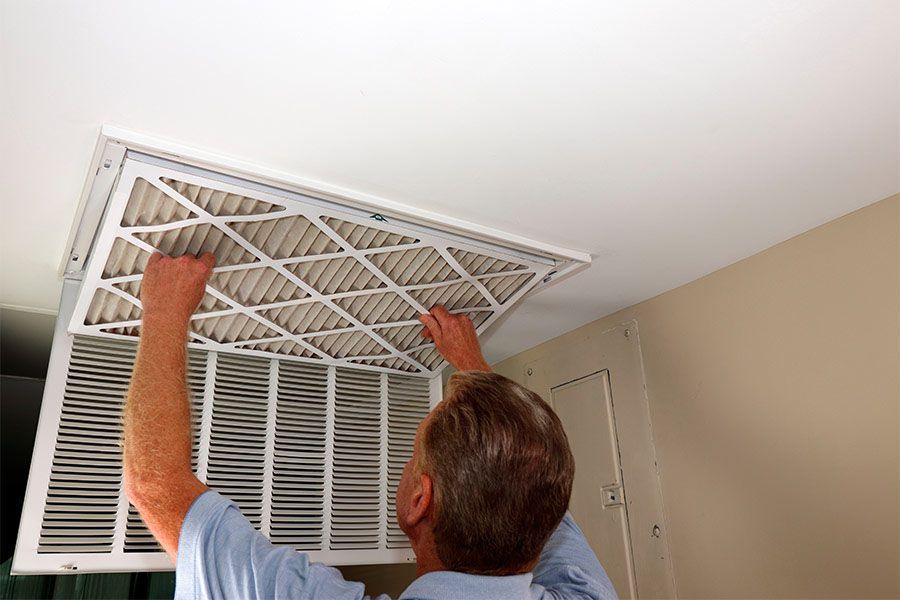
What many people forget is that air filters don’t simply remove particles from their indoor air for their benefit. They also prevent those particles from junking up their HVAC systems. Regularly replacing your filter benefits your unit by:
- Improving system efficiency: Dirty filters prevent air from flowing through the return vent, forcing the system to work much harder than it should.
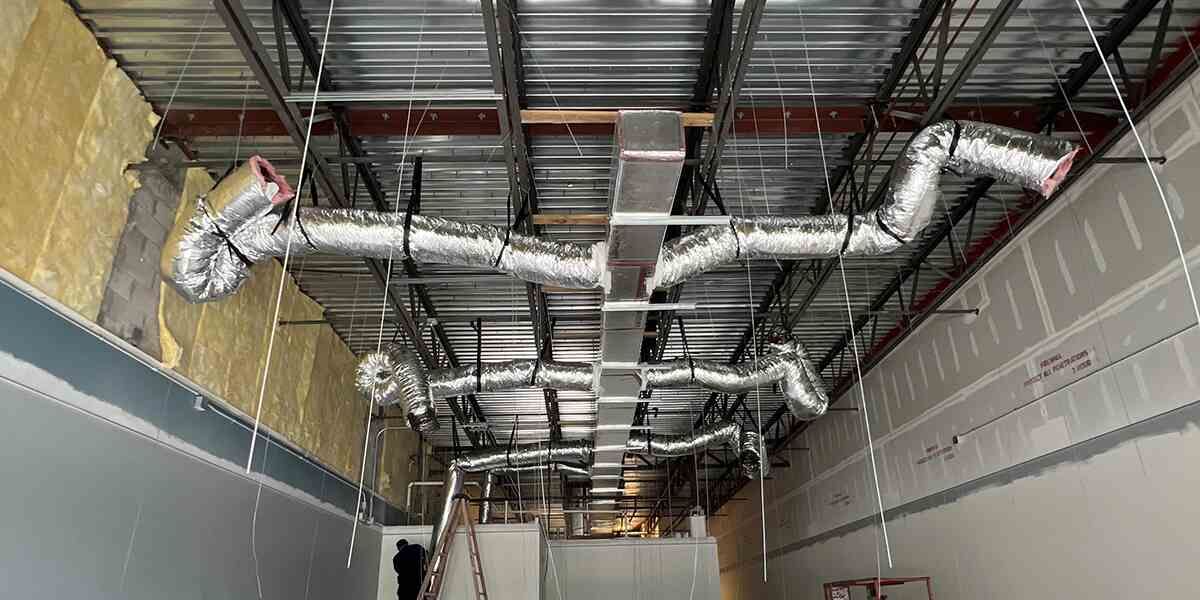
- Preventing particles from clogging the ductwork: When tiny particles infiltrate the ductwork, they can eventually make their way into the system’s intricate components.
- Increasing your system’s longevity: Dirty components and low efficiency significantly shorten your system’s lifespan.
- Reducing the need for repair services: As increasingly important parts start failing, you’ll shell out more money to repair and replace them.
Simple filter changes can save your wallet and beloved air conditioning, both of which come in handy during sweltering Florida summers.
HVAC Filter Basics: What You Should Know
Do HVAC filters clean air? They can if you choose the right type and change them frequently. You’ll learn what HVAC technicians recommend for the average household below.
MERV Rating
Each filter has a minimum efficiency reporting value, also known as a MERV rating. This rating system measures the number and type of particulates a filter will eliminate from the incoming air flow. While ratings range from one to 16, most households only need a rating up to 13.
A higher MERV rating could prove detrimental to your HVAC system because it creates more resistance. The chart below shows what each rating will accomplish:
- Up to MERV 4: These filters offer minimal protection and only filter textile fibers, large dust, and pollen.
- MERV 5 to 6: You can use these filters if you have no pets and live alone or with one other person.
- MERV 7 to 8: If you have a pet and one or two people sharing your residence, you’ll likely get the filtration you need with this rating. It works especially well with older HVAC systems.
- MERV 9 to 11: These filter ratings catch most outdoor air pollutants like smog and pollen. They are also ideal for homes with numerous pets or household members with sensitive sinuses.
- MERV 13: If you or a family member have a compromised immune system, shop for this MERV rating.
Change Frequency
Once you choose the best MERV rating for your household, you should determine how often to change the filter. A good rule of thumb is every three months. However, your needs may vary based on:
- Whether you use an air purifier in addition to your HVAC system: Portable air purifiers can eliminate some of the particles circulating in your home, lessening the change frequency.
- How often you use your HVAC system: If you prioritize utility savings or feel more comfortable with the outdoor temperature, you won’t use your HVAC system as much. Therefore, you can change your filter less frequently.
- Indoor and outdoor environmental factors: If you live in an area with high pollution levels or have a lifestyle that releases indoor pollutants, you should change the filter more often.
When your filter needs changing, it will look dingy and discolored. You can check your filter monthly to monitor for the optimal change time.
Factors Influencing Filter Changes
Although an appropriate MERV rating can address most indoor air concerns, you should still consider and perhaps alter some of your lifestyle habits to improve air quality. These changes not only make your home more comfortable and breathable but may decrease your filter change frequency:
- Pet ownership: Multiple pets mean lots of flying fur and dander. Regularly brushing and bathing your animals can eliminate these common pet allergens.
- Fresh airflow: Outdoor air typically has fewer pollutants than indoor air. Open your windows and doors occasionally to allow fresh air to circulate throughout your home.
- Housekeeping habits: Make dusting and sweeping regular house cleaning habits. The more you perform these tasks, the fewer particles will float around.
- Personal habits: Avoid smoking or vaping indoors. The smoke and fumes from these habits can make the air incredibly dirty.
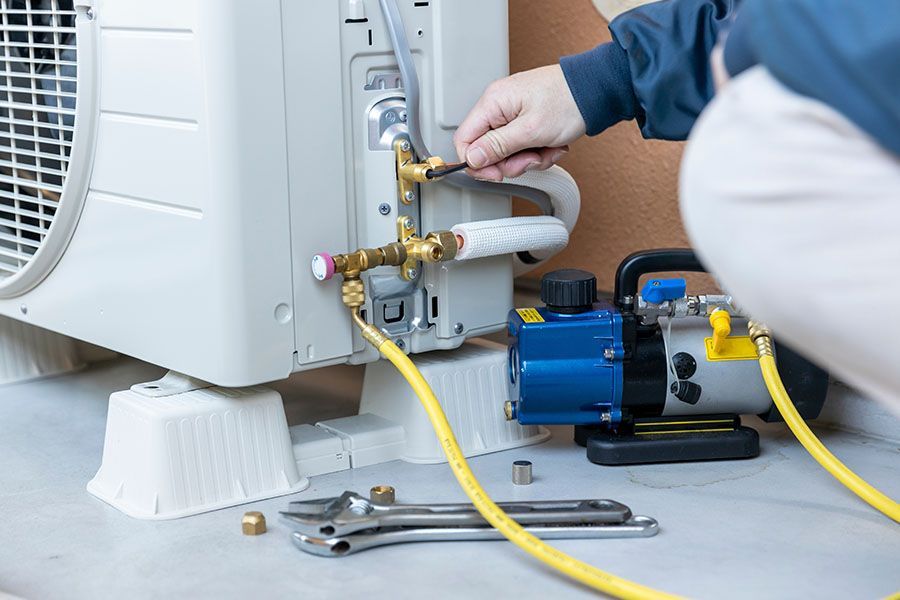
- HVAC maintenance services: If you struggle to remember when you should change the filter, schedule professional maintenance services. HVAC maintenance is crucial to protecting and prolonging your system’s service life.
Defend Your Fresh Air With Services From Bates Air & Heat
Do HVAC filters clean air? They certainly do. Their role can improve your health and system performance.
What about running a furnace with a dirty filter? Can you do that? Come to Bates Air & Heat with all your HVAC questions and concerns.
You can reach us at
772-837-5109 to schedule a service with our experienced, customer-focused technicians. Get the help you need today.