How Big of a Heat Pump Do I Need?
When you need a heat pump installation for your Vero Beach home, Bates Air & Heat LLC can help. Book your appointment today!
A heat pump is a great heating, cooling, and ventilation alternative to have in your home, especially if you live in a place like Florida with mild winters. If it's time to upgrade your HVAC system and you are thinking about having a heat pump, you might ask yourself, "How big of a heat pump do I need?"
Bates Air & Heat LLC is home to experienced and skilled HVAC contractors in Vero Beach, Florida, who understand how complex heat pump sizing can be for homeowners. Still, having the proper equipment size is essential for keeping your property comfortable with excellent energy efficiency. Below, our team shares some helpful tips to remember if you need to install or replace a heat pump.
What Sizing Means for a Heat Pump and Why It's Important
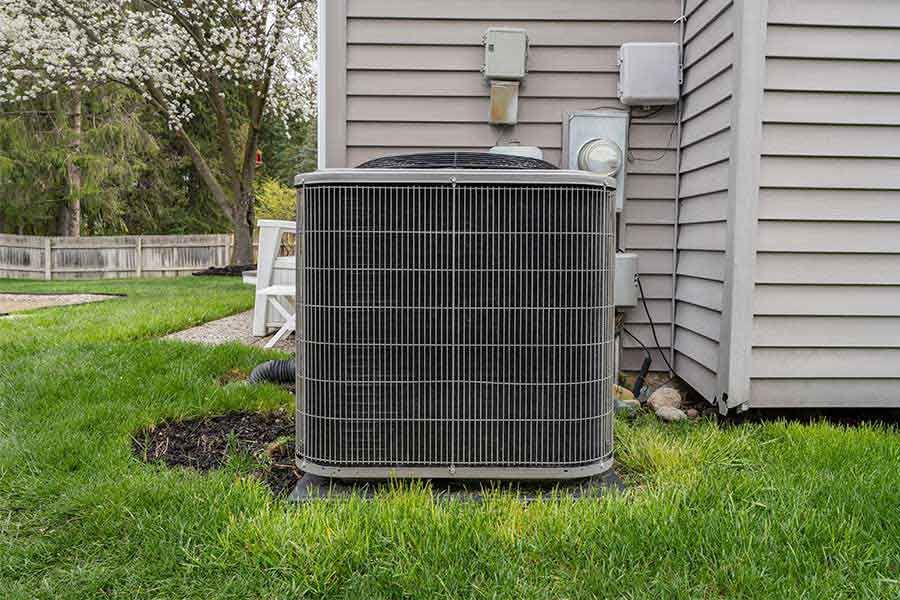
A heat pump is an HVAC appliance that can replace an air conditioner and a furnace or boiler. When temperatures change, you can switch the airflow through the system to remove heat from indoor air or to bring heat from outside to warm indoor spaces.
When looking at heat pumps for your home, it's important to remember that sizing doesn't refer to the actual size of the equipment; it refers to the system's heating and cooling load or capacity, which the industry measures in British Thermal Units or tons. One ton is 12,000 BTUs.
When you have an undersized heat pump, it won't have a high enough load to keep your house warm on chilly days. On the other hand, a system that's too big for your home won't be energy efficient. It will constantly turn on and off and affect your home's indoor comfort.
Tips for Sizing a Heat Pump
The answer to "How big of a heat pump do I need?" depends on several factors, which is why the sizing process is so complicated. Even if your home is identical to a neighbor's, both residences may need differently-sized heat pumps. Still, you can get an idea of what load capacity your house might need with these tips.
Ignore Simple Online Formulas
Online, you can find many articles and how-to guides with simple formulas for gauging heat pump sizes. Because these formulas don't include the many contributing factors to determining heating and cooling load capacities, they aren't effective.
For example, some formulas say to multiply your home's square footage by 20 to estimate tonnage. Another common formula says to start with one ton for the first 1,000 square feet and add an extra ton for every extra 500 square feet.
Consider Your Home's Square Footage
Though square footage plays a major role in determining heat pump sizes, it's not the only factor to consider. Using these types of formulas can generate wild estimates because they don't account for air leakage, ductwork design, ceiling height, climate, and many other factors.
If you want a general idea of how many BTUs or tons your new heat pump should have for your home size, it's better to add one ton per 500 square feet of your property. The figure may be more accurate than many of the simplistic formulas, but you should still take the number as an estimate only.
The estimated tonnage and BTUs for heat pumps according to home size alone typically look like this:
- 3 tons or 36,000 BTUs for 1,500 square feet
- 4 tons or 48,000 BTUs for 2,000 square feet
- 5 tons or 60,000 BTUs for 2,500 square feet
- 6 tons or 72,000 BTUs for 3,000 square feet
Use Manual J
Manual J is the best way to estimate sizes for HVAC systems. It's not a precise science, so you'll need to get multiple estimates from several qualified HVAC contractors to learn your best option. Still, Manual J incorporates many factors to create a more accurate size estimate.
Common factors that go into the Manual J equation are:
- Home Size: Your home's size incorporates its square footage and ceiling heights.
- Home Layout: Since heat rises, single-story ranch-style homes typically need a higher load than houses with multiple levels.
- Number of Windows: If your home has many windows, whether large or single-pane, you might need a higher load due to sunlight exposure and air leakage.
- Home Insulation: With a well-insulated home, your living spaces will retain heat more easily. If your insulation has a high R-value defining its superior quality, you might be able to reduce your load capacity needs by half a ton.
- Air Infiltration: Reputable HVAC companies will do a blower door test to measure how much air seeps through tiny holes and cracks throughout a house. According to this assessment, the tighter your house is, the less heating and cooling load you'd need.
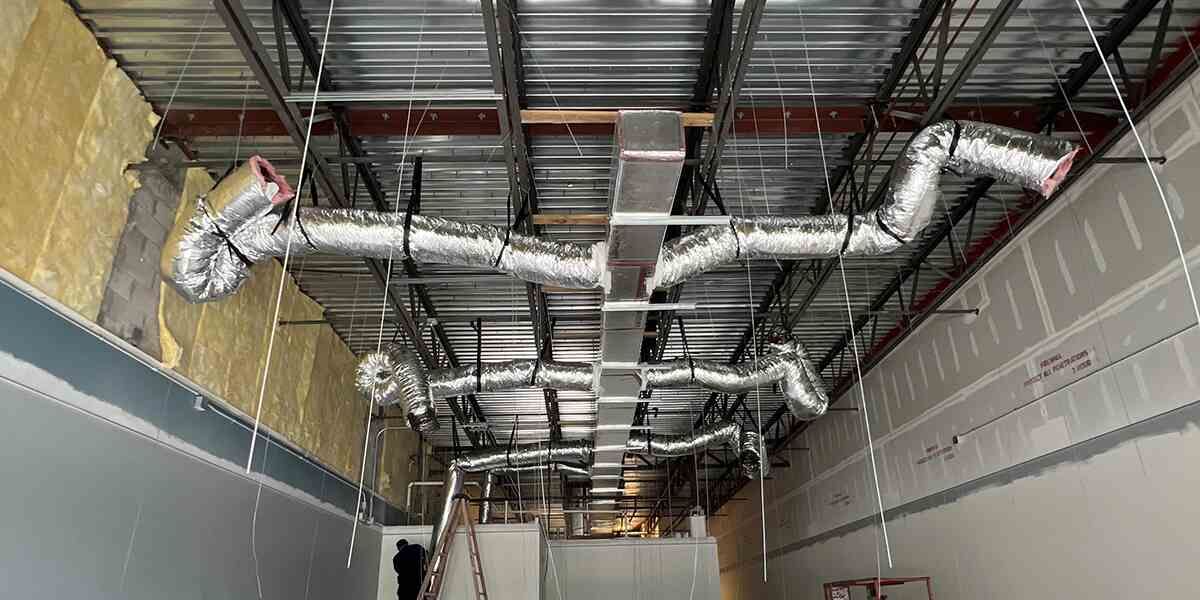
- Ductwork: Ductwork in unfinished basements or attics typically requires heat pumps with a higher load unless the ducts have proper insulation and sealing.
- Number of Household Members and Heat-Generating Appliances: People and appliances, like dishwashers and washing machines, can raise your indoor temperature, which could affect your HVAC system's load capacity requirements.
HVAC System Capacity and Climate
When asking, "How big of a heat pump do I need?" you can't ignore climate considerations. Weather and climate can affect heat pump performance.
Though modern heat pumps can work well in below-freezing temperatures, they are most suitable for areas with temperatures above 47 degrees. You also have to think of your local climate and how much heating and cooling you'd need.
Get Your New Heat Pump with Help From Bates Air & Heat LLC
Our licensed and certified technicians at Bates Air & Heat LLC are proud to answer questions like "How big of a heat pump do I need?" and "Are heat pumps installed in old houses efficient?" Our veteran-owned and operated company is a Trane Comfort Expert dealer offering comprehensive services with customizable solutions.
We provide affordable heat pump installation, replacement, and repairs throughout Vero Beach, Florida, and the surrounding areas. Call
(772) 837-5109 to schedule a consultation with our Bates Air & Heat LLC professionals.