A Homeowner’s Guide to Common HVAC Filter Sizes
Are you unsure of the best ways to treat your HVAC system? Let Bates Air & Heat LLC provide the answers you’re looking for. Call today for HVAC tips and professional service.
The air filter that connects to your HVAC system is essential. This piece of equipment is responsible for establishing healthy home air quality and keeping your HVAC system running efficiently. However, you may not reap these benefits if you use the wrong type of filter.
This guide will review the most common HVAC filter sizes so you can start using the proper filter for your system. Learn all about the different furnace filter types from Bates Air & Heat LLC, the most trusted HVAC company in Vero Beach.
What Is an HVAC Air Filter, and Why Is It Important?
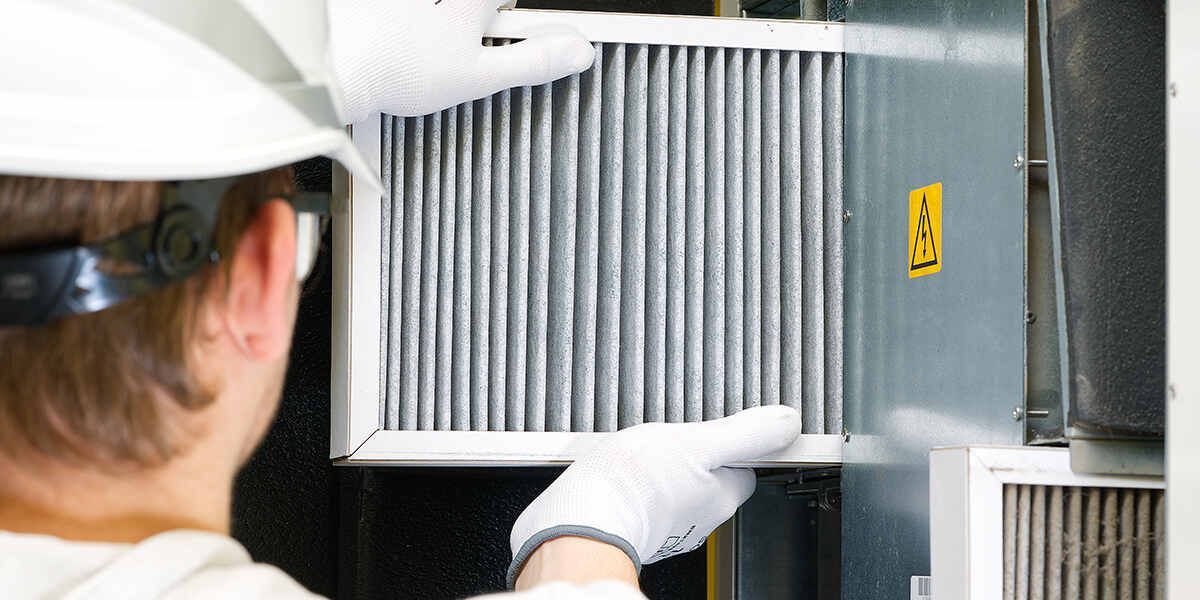
If you have a forced-air furnace, heat pump, or air conditioning system that connects to air ducts, it uses an HVAC filter. The filter's main purpose is to trap dust, pet hair, bacteria, and other contaminants, preventing them from traveling through your vents. The filter collects these allergens each time the HVAC system operates so you can enjoy cleaner, healthier air.
Filters are important for several reasons. First, they help improve indoor air quality by minimizing the amount of allergens circulating in your home. They keep you safe from airborne contaminants while protecting your HVAC system and helping it run more efficiently.
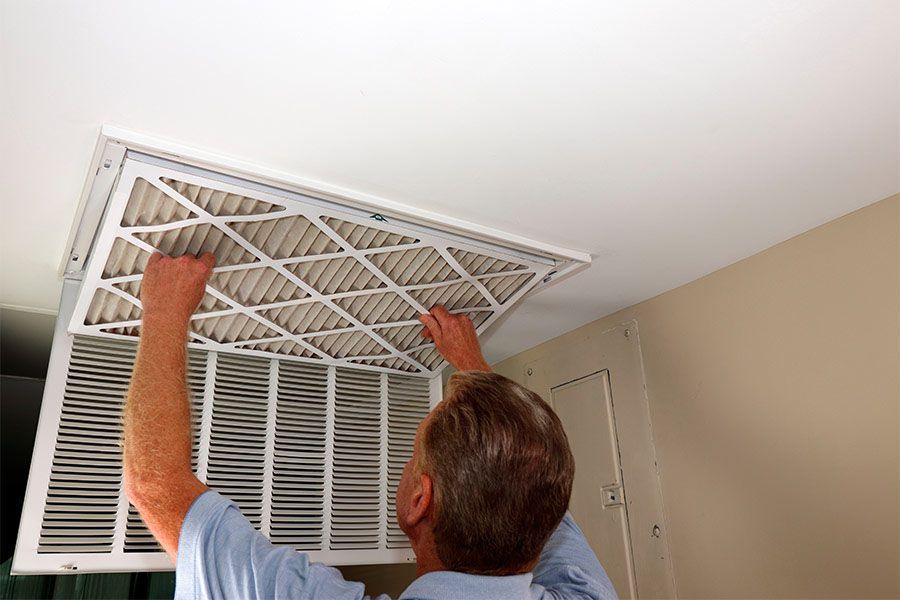
It’s up to you to regularly swap out dirty filters for new, clean ones so your home’s heating or cooling system stays in top-notch condition. Clogged filters restrict airflow and cause the furnace or air conditioner to work harder for your thermostat to reach a desired temperature. As a result, you could experience higher energy bills and mechanical issues stemming from a clogged filter.
The Ultimate Filter Replacement Guide: What You Need To Know
From understanding common HVAC filter sizes to the different furnace filter types, there is plenty you should become familiar with. Below is a breakdown of everything you need to know about replacing your HVAC filter.
How Often Should You Replace Filters?
Most experts recommend changing your air filter every three months. However, you may need to replace yours more frequently, depending on how quickly it becomes dirty. Households with several occupants, pets, or residents who smoke inside the home may need to change their filters every few weeks.
Common HVAC Filter Sizes
Five homes may each use a different-sized air filter for their HVAC system. Air filter sizing uses measurements for thickness, length, and width and depends on the size of your air ducts. Below are some of the most common HVAC filter dimensions, measured in inches for length, width, and thickness, respectively:
- 10 x 20 x 1
- 14 x 20 x 1
- 16 x 24 x 1
- 18 x 30 x 1
- 20 x 30 x 1
You might notice that each of these features a thickness of one inch. Some filters are thicker, which allows them to collect more build-up before you need to replace them. An upside to this is you won’t need to change the filter as often, though thicker filters may also restrict airflow.
Nominal Size vs. Actual Size
Here's an insider tip from our pros: Most of the common HVAC filter sizes displayed on the equipment are just an estimate of the filter’s dimensions. This is known as the "nominal" size and is typically about a quarter to half an inch larger than the actual size. You will find the actual size by using measuring tape to get accurate dimensions.
The nominal size is important because it allows you to search for filters across any brand. Manufacturers use the nominal size so you can easily shop for air filters with consistency. You can usually find the label on the filter's frame, but if not, you’ll need to measure the actual size and round up to the nearest inch for each dimension.
Signs You’re Using the Wrong Filter Size
Many common HVAC filter sizes are similar and only have a few inches of difference in length and width. You. may think buying a filter that is close in size will work fine, but it’s crucial to pick the right filter size. Otherwise, you could face the following issues:
- Rattling noises coming from your filter compartment
- Problems forcing the filter into the slot
- Bent corners when you remove the filter
- Excessive dust and contaminants in your air
A filter that’s too small won’t be as effective at trapping allergens. Consequently, indoor air quality may suffer. In addition, it will make noises while the air is passing through. On the other hand, oversized filters will face damage if you try to fit them into a slot that’s too small.
How To Find the Right Air Filter
As long as you don’t notice any issues with how your air filter fits and works with your HVAC system, you can continue using the listed nominal size in the future. If you discover that you've been using the wrong filter size in your unit, measure the filter slot’s length, width, and thickness. Take note of the exact measurements and remember that they won’t equal the nominal size most manufacturers advertise.
Round each measurement up to the nearest inch to find the nominal size you should shop for. Once you find the right-sized filter, you can have peace of mind knowing your system will work optimally throughout the year.
Contact Bates Air & Heat LLC for Professional HVAC Services
Now that you know about the common HVAC filter sizes, you can start using the right type of filter for your heating and cooling system. If you have further questions, such as whether or not you should recycle air filters, reach out to our HVAC experts. We have years of experience and are happy to service your system so it runs as it should.
Call Bates Air & Heat LLC at
(772) 773-6926 to request immediate service.