

Bates Air & Heat LLC
Heat Pump Repair in West Vero Corridor, FL
Contact Us Today
The West Vero Corridor has become one of the more active residential areas in Indian River County over the past couple of decades, drawing homeowners who want newer construction, more space, and a quieter setting than the denser neighborhoods closer to the coast. What has grown up out here along the SR-60 corridor is a mix of subdivision developments, planned communities, and standalone homes on larger lots, all of them sitting in the open, sun-exposed terrain that defines inland Indian River County. The distance from the ocean means less salt air, but it also means less natural cooling effect from coastal breezes, and the heat that builds up across open land out here in summer can be relentless. Bates Air and Heat is a veteran-owned company that works throughout this corridor and understands what the environment out here demands from a residential heat pump.
Performance Problems Hide in Plain Sight
Newer homes in the West Vero Corridor often come with the assumption that newer equipment means fewer problems. That is true up to a point, but Florida's heat and humidity do not make exceptions for recently installed systems, and the open terrain out here adds its own set of pressures. A system that was installed correctly and ran fine for the first couple of years can start showing performance gaps that are easy to explain away as the price of a hot summer. These are the signs that something more specific is going on:
- The system runs through the hottest part of the afternoon without ever catching up to the thermostat setting, leaving the house a few degrees warmer than it should be for hours at a time.
- A room addition, enclosed porch, or bonus space that was comfortable last year has started feeling like a different climate zone from the rest of the home.
- The outdoor unit makes a sound on startup that has no clear explanation, a brief grinding, a sharp click, or an intermittent squeal that comes and goes.
- Your electric bill has increased steadily over the past two or three billing cycles without any obvious change in how the home is being used.
- The system short-cycles through runs of a minute or two, shutting off and restarting repeatedly rather than completing a full cooling cycle.
- Condensation is forming on supply registers or around duct connections in the ceiling, which typically points to a duct system or airflow issue rather than the equipment itself.
In a corridor where many homes are still relatively new, these kinds of symptoms can catch homeowners off guard. New construction does not guarantee a perfectly commissioned system, and the heat that builds across open land out here will find and expose any weakness in the installation quickly.
What the Open Corridor Does to Residential Equipment Over Time
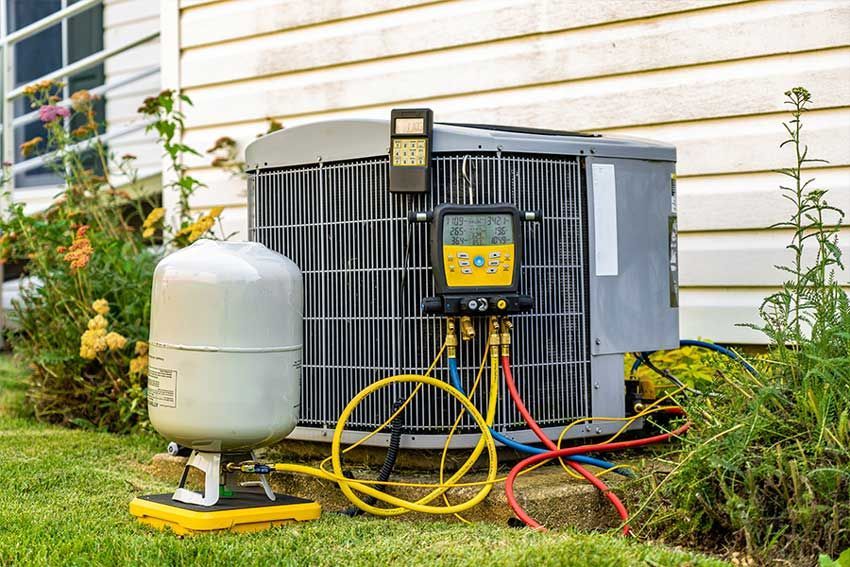
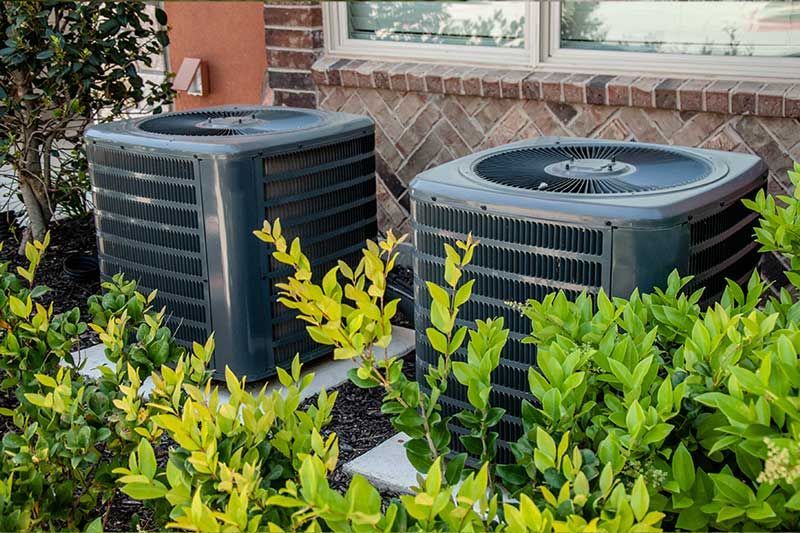
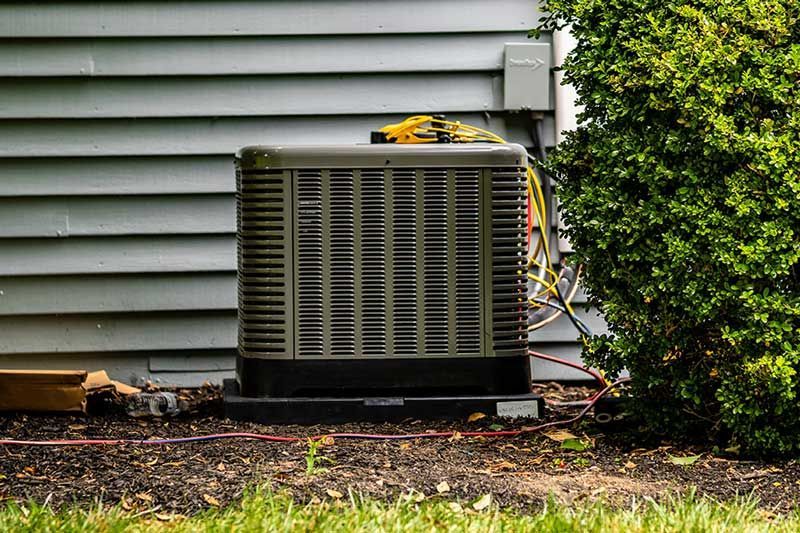
The West Vero Corridor's residential development sits on flat, largely open terrain where subdivision lots have minimal mature tree coverage and outdoor HVAC units are exposed to direct sun for most of the day. Without the shading that established neighborhoods with older landscaping provide, condensing units in this area run in ambient temperatures that can be significantly higher than the air temperature a weather station would report, because radiant heat from surrounding hardscape and open ground adds to the thermal load around the cabinet. The corridor also sits far enough inland that afternoon thunderstorms during Florida's rainy season arrive with particular intensity, and the combination of heavy rain and lightning-associated power fluctuations puts stress on electronic control components in ways that accumulate over time. Homes here also represent a narrower range of construction vintage than older communities, with most built from the late 1990s through the present, meaning equipment ages are more predictable but the failure patterns that develop at the ten-to-fifteen-year mark are becoming increasingly common across the corridor. Here is what we see most often on service calls in this area:
- Capacitor failure driven by sustained elevated ambient temperatures around outdoor units that sit in full sun on open lots with no natural shading, shortening the component's practical life well ahead of its rated specification.
- Control board and low-voltage component damage from power fluctuations associated with the lightning activity that intense afternoon thunderstorms in this corridor bring through repeatedly across a Florida rainy season.
- Refrigerant leaks at flare fittings and service ports on systems installed during the corridor's peak construction period that were never fully torqued or that have worked loose through years of vibration from normal operation.
- Condensate drain blockages that develop faster than homeowners expect in newer systems because the volume of moisture Florida's humidity generates is higher than what most people are accustomed to managing from prior experience in other states.
- Duct systems in homes with open floor plans and high ceilings where the original load calculation underestimated the actual cooling demand, leaving systems that were technically correctly installed still unable to keep up during peak summer conditions.
- Air handler filter bypass in systems where the original filter rack was not properly sealed, allowing unfiltered air to move through the system and deposit fine particulate on the evaporator coil surface over time.
The corridor's relative newness as a developed residential area means many homeowners are encountering their first major HVAC issue on a system they expected to have more time before it needed attention. Understanding what is behind those early failures is what makes the repair stick.
What We Cover on Every West Vero Corridor Service Call
We approach a repair call in the West Vero Corridor knowing that newer construction brings its own set of diagnostic considerations. Installation-related issues, undersized systems, and equipment reaching its first significant wear milestone are the stories we read most often out here, and our process accounts for all of them. We do not assume a system is working correctly because it is relatively new, and we do not stop at the first finding without checking whether something else contributed to it. Our heat pump repair services include:
- Full system diagnostics that account for the specific installation conditions of corridor-area homes, including sun exposure around the outdoor unit, open floor plan load considerations, and duct system configuration in newer construction.
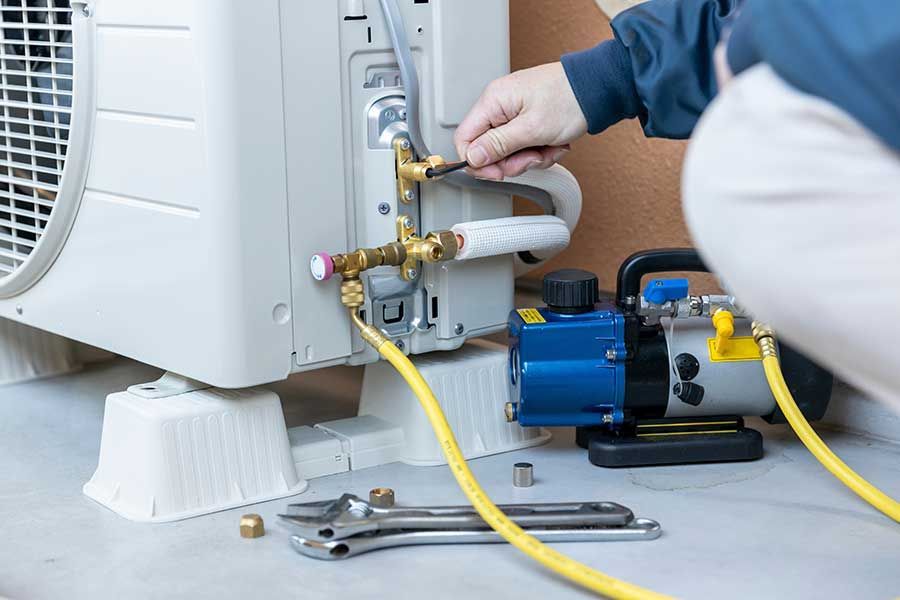
- Refrigerant circuit evaluation with specific attention to flare fittings and service port connections on systems installed during the peak development years, where installation-related leaks are a consistent finding.
- Capacitor and contactor testing and replacement, with documentation of ambient temperature conditions around the outdoor unit that may be accelerating component wear ahead of rated service life.
- Control board and low-voltage component evaluation for evidence of lightning-associated power surge damage, which is an underrecognized cause of erratic system behavior in this corridor.
- Condensate drain service including full clearing, drain volume assessment relative to the home's humidity load, and biological treatment appropriate for the condensate volume Florida generates.
- Evaporator coil inspection for particulate buildup from filter bypass, with assessment of whether the filter rack installation is properly sealed against unfiltered air moving around the filter media.
- Load and airflow verification in homes where room additions, bonus spaces, or open floor plans may have pushed the original system beyond its designed capacity.
We offer maintenance agreements that make particular sense for West Vero Corridor homeowners who moved here from out of state and are not yet accustomed to the pace at which Florida's climate demands attention from a residential HVAC system. A scheduled annual visit keeps the system assessed and gives us a chance to catch what is developing before the summer heat turns it into an emergency.
A Midseason Call in a Corridor Subdivision
We took a call last summer from a homeowner named Patrice who lives in one of the planned subdivisions off SR-60 in the West Vero Corridor. She had moved to Florida from out of state a few years earlier and said the system had run without any issues until this particular summer, when it suddenly seemed unable to keep the house below 78 degrees no matter how low she set the thermostat. She had also noticed her electric bills had climbed steadily over the previous two months.
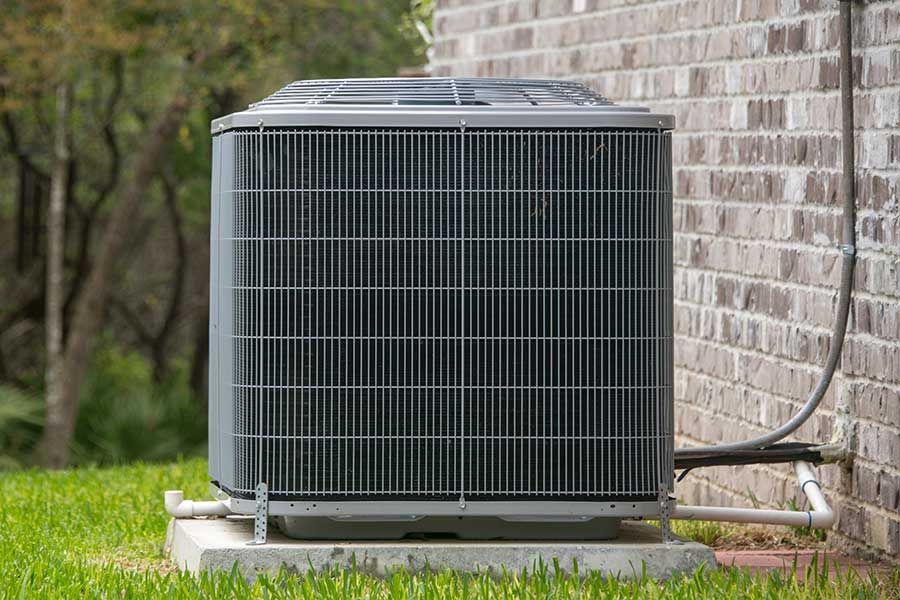
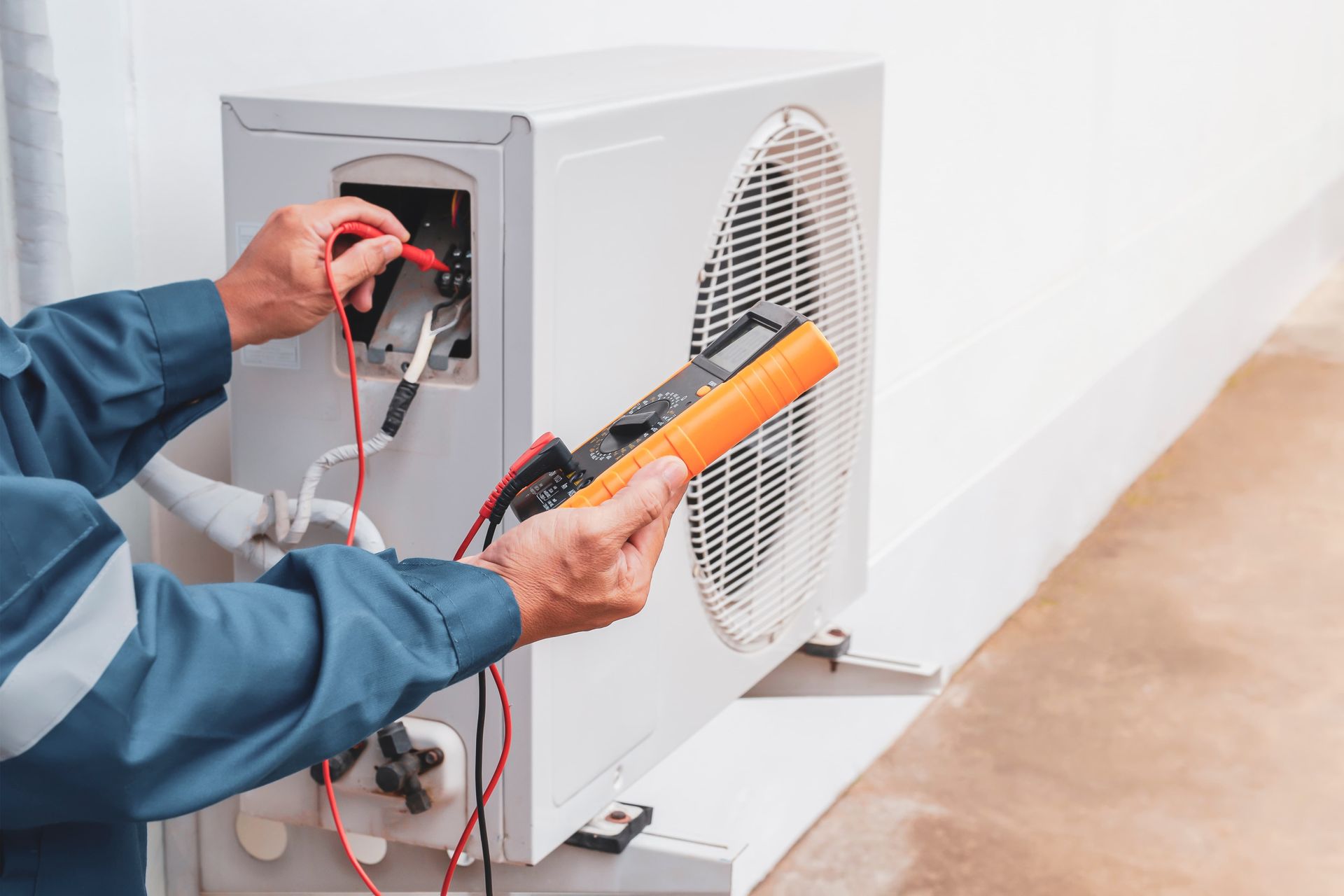
When we arrived and ran the diagnostic, the capacitor was reading significantly below its rated value, a failure pattern consistent with a unit that had been sitting in direct afternoon sun on an open lot through multiple Florida summers without the benefit of any natural shading around it. The evaporator coil also had a noticeable layer of fine particulate on its surface from what turned out to be a filter rack that had never been properly sealed against the air handler cabinet, allowing a thin but consistent bypass of unfiltered air around the filter media since the system was installed.
We replaced the capacitor, cleaned the coil, sealed the filter rack gap, and verified the refrigerant charge before we left. Patrice mentioned she had not realized that Florida summers were hard enough on HVAC equipment to require the kind of regular attention a car gets. That is one of the more common conversations we have with homeowners who relocated here from cooler climates, and it is part of why we always take a few minutes to explain what the environment out here actually demands from the system before we wrap up a call.
The Company the Corridor Can Count On
The West Vero Corridor is still finding its identity as a community, but the homeowners who have settled out here have already committed to this part of Indian River County and expect the service companies they hire to show up with genuine knowledge of the area. Bates Air and Heat is veteran-owned, and that means something specific about how we operate. We do not treat calls in newer subdivisions as straightforward because the homes are new. We treat them with the same thoroughness we bring to an older home with a longer service history, because the pressures this environment puts on equipment do not care how recently it was installed. When you call us, here is what that approach looks like in practice:
- A diagnostic process that accounts for the open-terrain sun exposure, storm-related electrical stress, and installation-quality variables specific to newer corridor construction rather than defaulting to a standard checklist.
- Emergency service availability for when a system failure coincides with the kind of extreme heat days that open inland terrain produces, because the corridor does not get the moderating effect of coastal air to take the edge off.
- Patient, plain-language explanation of what we found and why it matters, particularly for homeowners who are still learning what Florida's climate asks of a residential cooling system.
- Maintenance agreements structured for the corridor's homeowner profile, including people who came from cooler climates and benefit from a scheduled touchpoint that keeps the system monitored without requiring them to already know what to watch for.
- Honest, upfront pricing before any work begins and direct communication throughout, because that is the only way we know how to run a service call.
The West Vero Corridor is growing, and we intend to grow our reputation in it the same way we have everywhere else in Indian River County: one well-done job at a time
Frequently Asked Questions
CHECK OUT THE OTHER HVAC SERVICES WE PROVIDE IN West Vero Corridor, FL
or call us at: