Can You Add Zones to an Existing HVAC System in Vero Beach, FL?
For many homeowners in Vero Beach, FL, a zoned HVAC system is an efficient way to maintain consistent indoor comfort. HVAC zoning allows you to set different temperatures to cool or heat different areas, so no rooms are overly warm or cold.
If you struggle to maintain temperatures on upper levels or certain rooms, you might wonder, “Can you add zones to an existing HVAC system?” As the leaders in HVAC Vero Beach residents trust, we get this question a lot.
The answer, in every case, is, “It depends.” Let’s take a look at what adding zones to your current HVAC system entails, what’s necessary to make it possible, and some alternatives to consider if it’s not ideal.
What Are HVAC Zones and Why Use Them in Your Vero Beach Home?
All HVAC systems are either single-zoned or multi-zoned. A single-zone system, as the name implies, will heat or cool your entire Vero Beach home to the same temperature. You can’t change the temperature in individual rooms, which can mean some spaces are warmer or colder than you want them to be. In a two-story home with single-zone HVAC, for example, because heat rises, your home's upper stories are likely to be warmer than lower levels, and the HVAC system will struggle to maintain the same temperature on both floors.
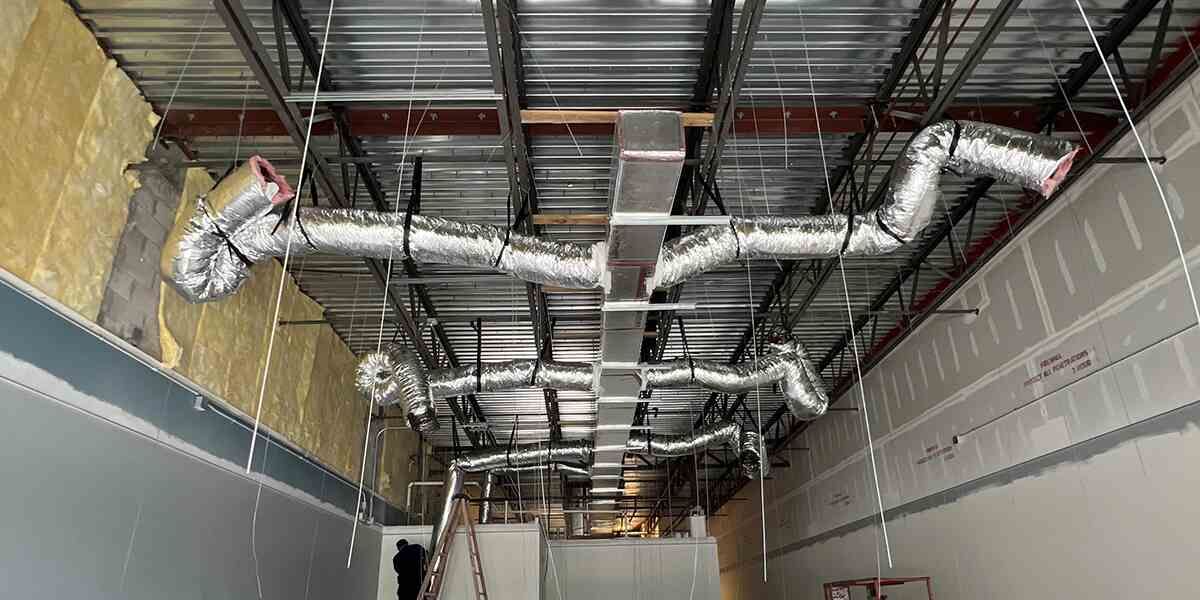
A multi-zone HVAC system, in contrast, has a series of dampers in the ducts that can direct warm or cool air to individual rooms or areas of your home. This allows you to set the thermostat to different temperatures. If you prefer your bedroom on the cooler side, for instance, you can set the thermostat lower in there, while your teenager, who likes to sleep in a warm room, can set theirs higher.
Multi-zone HVAC systems are ideal for large and multi-story Vero Beach homes, especially those with features like large windows that make it difficult to maintain a comfortable temperature with a single-zone system. Not only does HVAC zoning increase comfort and reduce family disagreements about the best thermostat settings, but it provides energy savings, too. Zones allow you to turn off the heat or air in unused spaces, reducing the burden on your equipment and electricity usage.
Making Your Vero Beach Home More Efficient With Zones
Can you add zones to an existing HVAC system? While it may be technically possible, since adding zones is mostly a matter of installing additional dampers in the ductwork, factors like the existing system compatibility and the system capacity influence whether your HVAC system will need additional equipment to support the new zones.
One of the biggest influences in whether you can add zones to existing HVAC is whether you have a single-speed or a variable speed system. This refers to the blower speeds that force air into the ductwork. A single-speed system blows air at one speed or not at all, while a variable speed system adjusts the blower speed to the demand in any particular zone.
This is important because if you install dampers to create new zones, a single-speed blower will direct all the air into one set of ducts within that zone. This creates an excessive amount of static pressure inside those ducts since the blower only operates at 100% capacity. That excess pressure can cause significant damage to the system.
The solution to the problem of excess pressure is to install a bypass duct. This redirects some of the air back to the air return, reducing pressure inside the ducts. However, this extra air also cools down the evaporator coils, reducing their efficiency because they now have to work harder to maintain a consistent temperature.
On the other hand, the answer to “Can you add zones to an existing HVAC system?” if you have a variable-speed system is “yes,” and it’s actually quite simple. Simply installing additional dampers in the ducts will add zones, and because the blower works at different speeds, you don’t need to worry about damage to the ducts or efficiency taking a hit.
When New Zones Aren’t the Answer
If you’re struggling to keep some areas of your Vero Beach home comfortable, adding new HVAC zones may not be the answer. Other issues can cause hot or cold spots, such as poor insulation and air leaks in individual rooms, damage to the ductwork, or even problems with the HVAC equipment itself, like a faulty blower causing weak airflow. Before deciding to add zones, have an HVAC professional perform a thorough inspection and evaluation of your system to ensure you find the right solution.
If you decide to go forward with adding new zones and you have a single-speed system, switching to a variable-speed system first is the best way to avoid issues. You’ll not only enjoy reduced noise compared to single-speed systems and the flexibility of being able to add additional zones, but variable-speed HVAC is also more efficient and will help keep energy bills in check.
Another option for improving comfort in individual rooms or areas without adding zones to the HVAC system or relying on portable air conditioners and heaters is a ductless system. A ductless mini-split can heat and cool a room without any ducts at all and is an affordable alternative for climate control when you add an addition to your home or want to turn a garage or other space into a living area.
Trust Vero Beach, FL’s HVAC Experts for Total Home Comfort
If you’re wondering, “Can you add zones to an existing HVAC system?” call Bates Air & Heat LLC at
772-275-3789 to have one of our HVAC technicians evaluate your current setup and help you decide the best path toward improving indoor climate control. We’re the Vero Beach area’s go-to source for all things heating and cooling, from annual HVAC maintenance to total system replacements, and we will help you find the most cost-effective and efficient solutions to your comfort questions. Just reach out now.