Here Is Why Your AC Won’t Turn Off
The typical residential air conditioner should go through two to three on/off cycles per hour. If your air conditioner won’t shut off, the issue could stem from a number of sources. This article covers some basic troubleshooting tips and advice on what to do when your AC won’t turn off.
Contact Bates Air & Heat today to schedule premier AC repair in Port Saint Lucie, FL!
Why Non-Stop AC Is a Problem
Air conditioners go through on/off cycles to maintain a specific temperature. If your AC keeps running, however, it can cause serious damage. Constant running puts wear and tear on the system, leading to more frequent HVAC system issues and worse performance. You may also notice your energy bills start climbing because of the constant power consumption. Air conditioners use a lot of electricity, so faulty ones can make huge spikes in your power bills.
Reasons Why My AC Won’t Turn Off
If your air conditioner has a constant cooling problem, it could be due to a number of causes. Below are some of the most common reasons an air conditioner gets stuck in the ‘on’ position. If you locate the source of your problems, be sure to contact an AC repair expert ASAP before it causes serious damage.
Compressor Issues
The compressor is the main unit that controls when your AC cycles on and off. The compressor controls the coolant fluid that produces cold air, so you can think of it like the heart of your HVAC system. When the temperature drops above or below a specific temperature, the compressor kicks on. When the temperature is at the correct level, the compressor switches off.
So if you have a bad AC compressor, it can get stuck in an endless on-state because the compressor never turns off. In some cases, the root cause is that a capacitor gets stuck in the on position so the compressors power never gets cut off.
AC Is Undersized
Another common reason for your AC unit running continuously is it is too small for your home. AC size is measured in tons, and you need an air conditioner that is powerful enough to sufficiently cool your home. If your AC is not large enough, it might not be able to fully cool your home, so it gets stuck in an always-on position as it tries to reach the set temperature.
One way you can estimate the appropriate size of your air conditioner is to take the square footage of your house and multiply it by 25 BTUs per square foot. For example, if your home is 2,000 square feet, you should look for an air conditioner that can produce at least 50,000 BTUs.
Thermostat Placement
Your thermostat placement can also create a cooling cycle problem. Modern thermostats have a special metal piece called a thermistor that detects changes in electrical resistance to measure ambient temperatures. If the thermistor is dirty or blocked, it might be reading the temperature incorrectly, so it never tells the air conditioner to shut off. AC Thermostat failures can also occur due to frayed wiring.
Alternatively, your thermostat could be in a non-ideal spot. If the thermostat is near a heat source, it might get confused and think it's hotter than it actually is. The ideal spot for your thermostat is about five feet above the floor on a section of the wall that is away from doors or windows.
Damaged Fan Limit Switch
Your blower fan has a component called a limit switch that turns the fan off when the AC shuts down. If the limit switch is broken or malfunctioning, the fan might continue to run even when your home reaches the programmed temperature. Fan limit switches can get damaged from dirt and power surges. You can contact a professional AC mechanic to test whether you have a broken fan limit switch on your hands.
Dirty Evaporator Coils
Coolant fluid gets pumped through your system’s evaporator coils, where it absorbs heat, creating the cool air coming out of your vents. Evaporator coils get dirty over time, and the layer of dirt and grime can make them less effective. If the coils can’t absorb heat, your system has a much harder time cooling your home and the AC won't turn off. AC coil cleaning is a typical part of routine HVAC system maintenance.
Clogged Condenser Unit
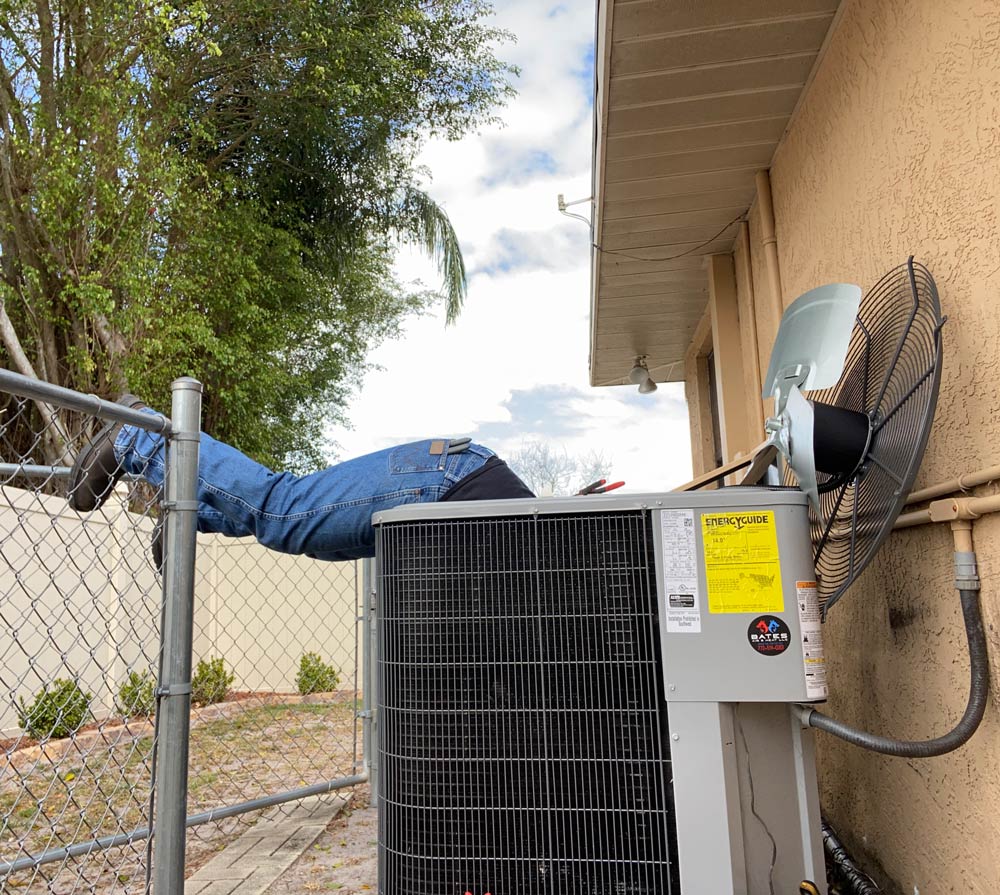
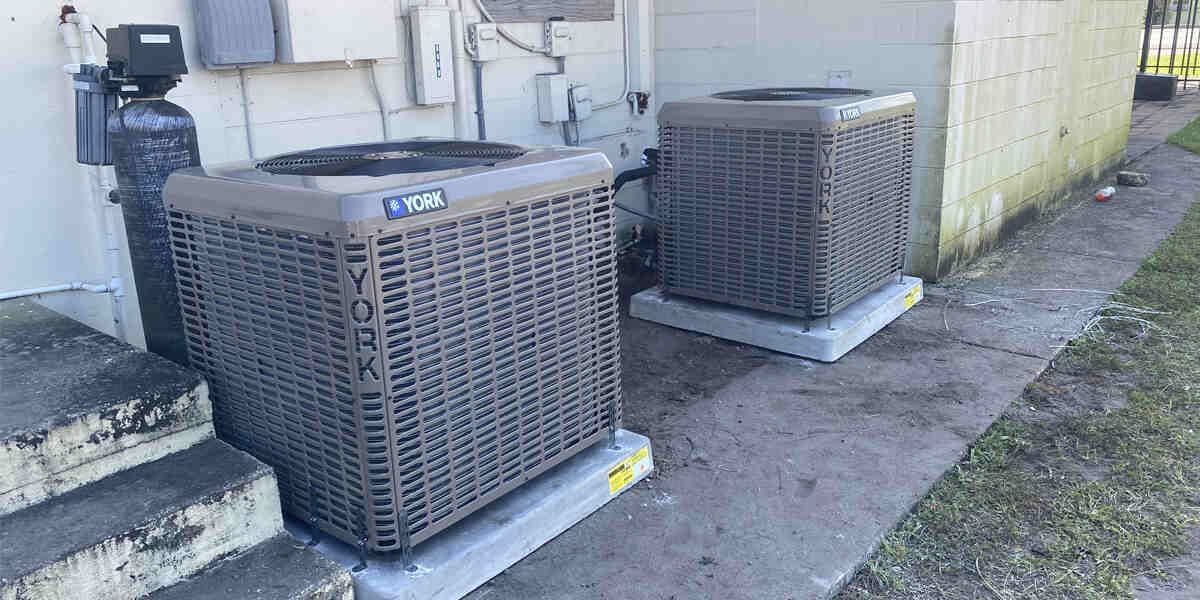
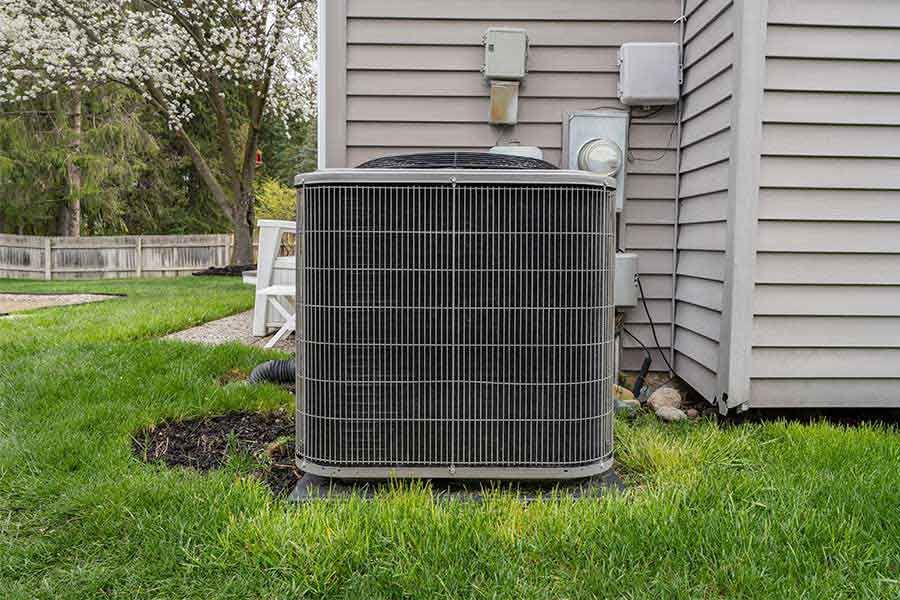
The condenser unit is the outdoor unit in your AC system where the heat in your home gets expelled. Since condenser units are outside, they can easily get clogged with grass clippings, leaves, animal hair, and pebbles. If the condenser unit gets clogged, that heat doesn’t have anywhere to go, so it gets sent back into your home, which keeps the air conditioning running all the time.
Strategies to Fix an AC That Won’t Turn Off
If your air conditioner won’t turn off, you can try the following methods and see if they rectify the problem.
- Toggle your fan settings to the Auto setting if it’s not already there. If the fan is in the On setting, it won’t turn off even when the air conditioner stops running.
- Try adjusting the thermostat up a few degrees. If the AC is having trouble reaching the desired temperature, it may be able to reach a slightly higher one instead.
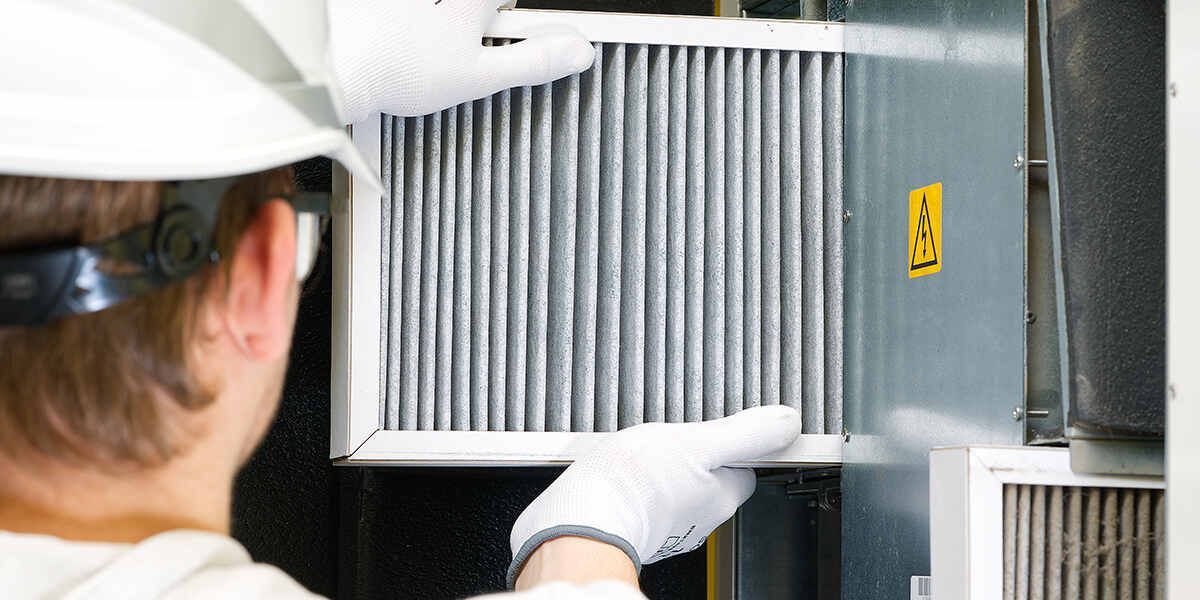
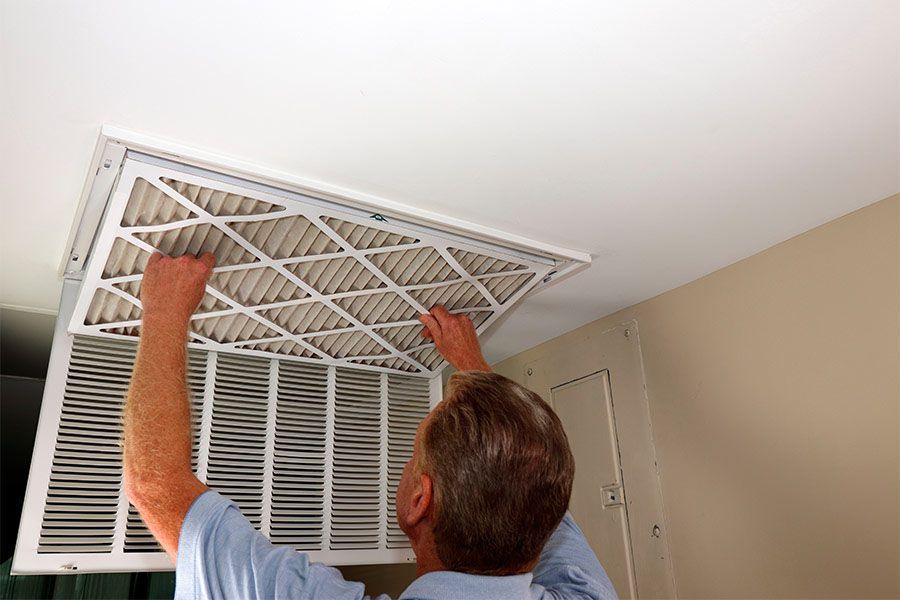
- Check your air vents and air filters for any airflow obstructions. If your AC filter is dirty, switch it out with a compatible replacement.
- Clean your fan blades and fan motor. Dust and dirt can weigh the blades down, making the fan spin slower and perform less effectively.
- If none of these solutions work, contact a professional to address your air conditioner malfunction.
Contact Us Today for AC Services in Port Saint Lucie!
If you still can’t figure out why your AC won’t turn off, contact Bates Air & Heat online or call today to schedule
AC maintenance or repair in Port Saint Lucie, FL!