


Taking the Time for You.

Vero Beach is the heart of Indian River County, a city that carries a strong sense of place built over generations of residential growth, civic investment, and a community that takes pride in how it looks and lives. The housing stock here spans nearly a century of construction, from the Mediterranean Revival homes in the historic downtown neighborhoods to the sprawling ranch-style homes of the 1960s and 70s to the gated communities and newer developments that have filled in the surrounding areas over the past two decades. Each era of building brought its own approach to cooling, and the range of HVAC situations across Vero Beach is wider than in almost any other community in the region.
Bates Air and Heat is proud to call Vero Beach home. As a veteran-owned HVAC company rooted in this community, we bring the kind of service that reflects genuine local investment, honest communication, and work that holds up through Florida’s most demanding seasons. When your AC falls short, we are the team that shows up ready to get it right.
Vero Beach’s blend of coastal humidity, long summer heat, and diverse housing stock means AC systems here can develop problems in very different ways depending on where you live and how old your equipment is. These are the warning signs every homeowner in the area should know.
Vero Beach summers start early and stretch well into October. A system showing any of these signs in April or May is one that deserves attention before the full weight of the season removes any flexibility in your schedule.
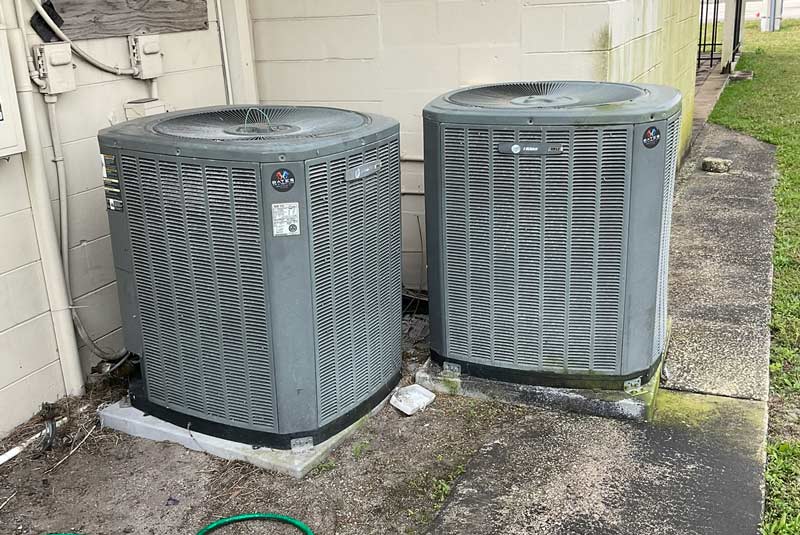
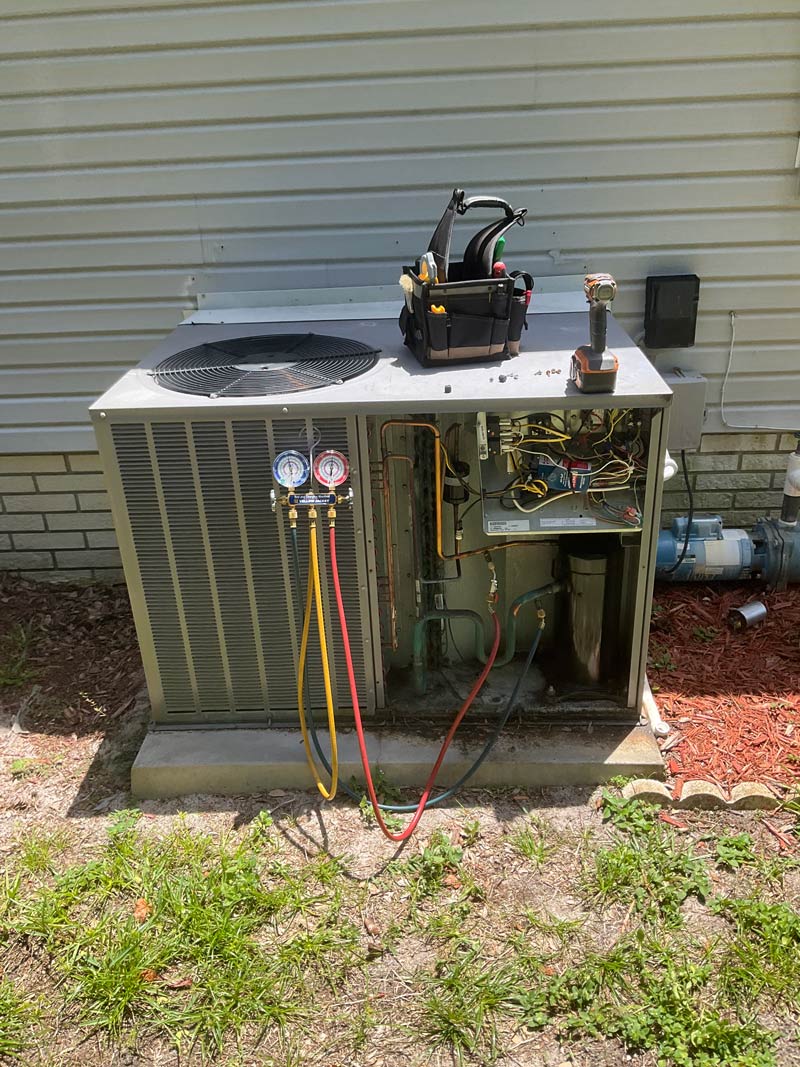
Vero Beach sits in a climate zone where the Indian River Lagoon to the east and the St. Johns River watershed to the west create a persistent moisture environment that affects the entire county. The city itself spans both the mainland and the barrier island, and properties in different parts of Vero Beach experience meaningfully different humidity and corrosion profiles. A home in the Historic District on the mainland faces different HVAC pressures than one on the barrier island near the ocean, and a recently built home in a west-side development contends with intense radiant heat from open terrain that barrier island homes moderate with sea breezes. Knowing which conditions apply to your home matters when diagnosing why your system is struggling.
The age diversity of Vero Beach’s housing stock is one of the most significant factors in the city’s HVAC landscape. Homes built before 1980 typically have duct systems that were designed around window units or minimal central air, with undersized return air pathways and duct materials that have long since passed their useful life. Homes built during the 1990s and 2000s boom years were often fitted with systems sized to minimum code standards, leaving little margin for the efficiency losses that come with age and Florida’s operating conditions. Newer construction presents its own challenge in the form of larger, more open floor plans that create thermal stratification single-zone systems were not designed to handle.
Vero Beach also sits squarely in Indian River County’s afternoon thunderstorm belt. The sea breeze convergence that drives storm activity along this stretch of the Treasure Coast brings frequent lightning events from late spring through early fall, and the cumulative surge exposure those storms produce is one of the most underappreciated sources of HVAC component failure in the area. Capacitors, control boards, and compressor windings absorb small amounts of surge damage over a season in ways that do not produce immediate failures but shorten component life and lead to breakdowns that seem to come out of nowhere.
We took a call from Louise on a Monday morning in late August. She lived in a well-maintained 1940s home in Vero Beach’s Historic District, a few blocks from the Indian River, and had been dealing with a system that ran from early morning until well past midnight every day without ever fully satisfying the thermostat. The system was about ten years old and had been serviced periodically, so she had not expected it to be the source of the problem. Her first assumption was that the old house simply could not hold the cooling.
Our technician found two problems working against each other. The evaporator coil had a substantial biofilm buildup across its face that had reduced its heat transfer capacity significantly, a common finding in older Vero Beach homes where the warm, humid air circulating through aging air handlers creates ideal conditions for biological growth. The second issue was in the attic, where a section of original metal ductwork connecting to a later flex duct extension had developed a gap at the seam that was pulling unconditioned attic air directly into the return side of the system. Every time the system tried to cool the house, it was drawing hot, humid attic air in through the return and working against itself.
We cleaned the evaporator coil, treated the drain system, located and sealed the return air leak in the attic, and verified the system’s refrigerant charge and electrical components before leaving. Louise’s house reached temperature for the first time in weeks by that evening. The old house had not been the problem at all. It was a fouled coil and a return air leak that had been undermining the system quietly for at least one full season. Both were entirely fixable, and neither required touching the historic structure itself.
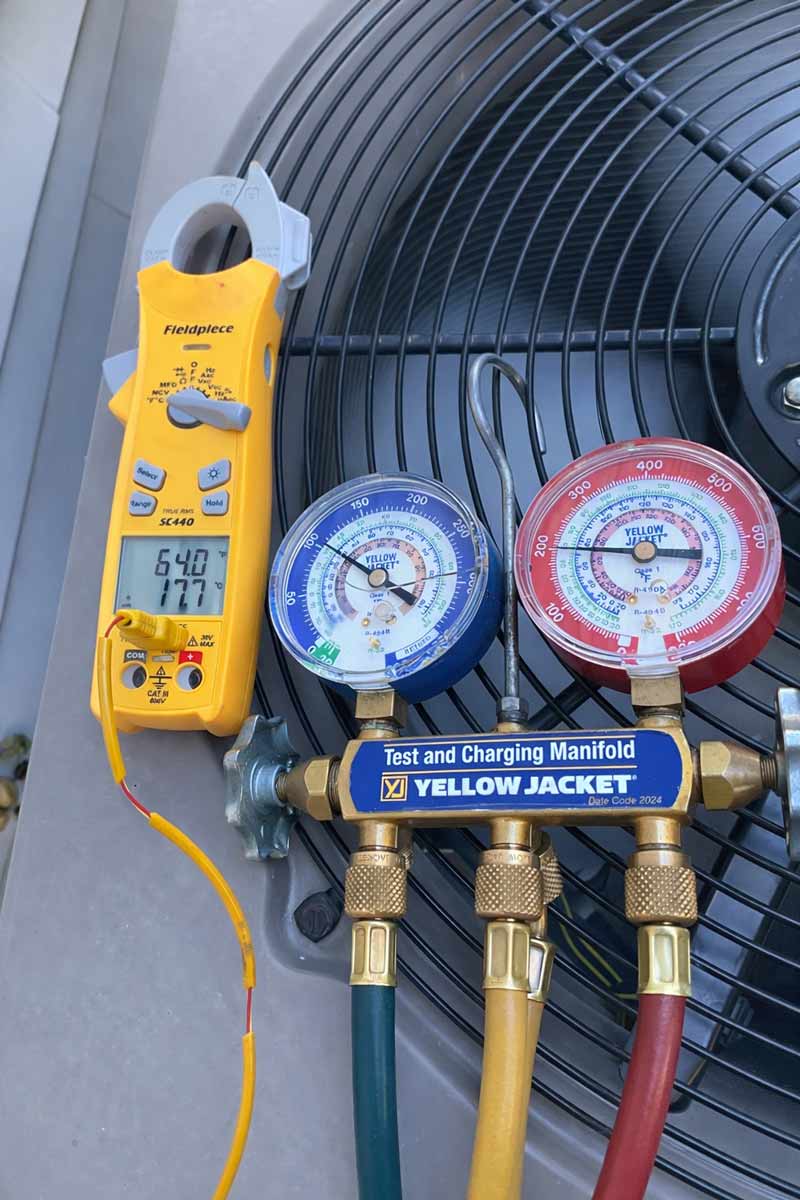
Bates Air and Heat is a Vero Beach company. We live and work in this community, and we take that seriously on every job we run. As a veteran-owned business, accountability and honest service are not things we talk about. They are how we operate. Here is what you can expect when you call us.
Here are straightforward answers to the questions Vero Beach homeowners ask us most about their air conditioning systems.

It does, more than most homeowners realize. Properties on the barrier island near the ocean deal with salt air corrosion that inland homes do not face. Homes on the west side of the city contend with intense radiant heat from open terrain without the moderating effect of sea breezes. Older homes in the Historic District often have aging duct systems and return air issues unique to their construction era. The conditions your home faces depend heavily on its location and age, and a good diagnosis accounts for both.
In most cases, yes. Older homes in Vero Beach frequently have undersized return air pathways, original or modified duct systems with significant leakage, and air handlers that have not been properly cleaned in years. These are maintenance and infrastructure issues rather than fundamental limitations of the house. A thorough diagnostic visit that includes the attic ductwork and air handler condition will identify what is actually holding the system back.
The sea breeze convergence along the Treasure Coast makes Vero Beach one of the more active thunderstorm areas in Florida during the summer months. Repeated nearby lightning events produce power surges that gradually degrade capacitors, control boards, and compressor windings over a season. The damage is cumulative and often does not produce an immediate failure, which is why systems in this area can seem fine right up until they stop working. Surge protection on your HVAC system is worth discussing with your technician.
The evaporator coil sits inside your air handler and is responsible for absorbing heat and moisture from the air passing through it. In Vero Beach’s warm, humid climate, airborne dust, mold spores, and organic particles accumulate on the coil surface over time, forming a layer that insulates the coil from the air it is supposed to be cooling. A fouled coil runs longer, removes less moisture, and drives up energy costs without producing any single dramatic warning sign. Annual coil cleaning is one of the most impactful maintenance steps a Vero Beach homeowner can take.
The honest answer depends on the age of the system, the nature and cost of the needed repair, how efficiently the system has been running, and what conditions your home faces. A ten-year-old system on the barrier island has experienced more corrosive wear than a ten-year-old system on the west side of town. We factor in your specific location and housing conditions when we give you a repair versus replacement assessment, and we will always tell you what we would do if it were our own home.