


Taking the Time for You.

South Beach sits on the barrier island at the southern end of Vero Beach, split by A1A into two very different exposures, oceanfront homes facing the Atlantic on one side and Intracoastal-facing properties with private docks on the other, in communities like Little Harbor and Oyster Bay. Unlike some of the more seasonal pockets of the island, South Beach tends to be occupied year round by families drawn to neighborhoods like Castaway Cove and its winding streets, which means furnaces here see more regular use than homes that sit empty for months at a time. Whichever side of the island your home sits on, the salt air and humidity that come standard with barrier island living still take a toll on heating equipment. Bates Air and Heat is a veteran-owned company that understands how that exposure differs from one side of South Beach to the other.
A furnace in a South Beach home tends to show a few common warning signs regardless of which side of the island it’s on.
Because year-round occupancy means these systems get used more consistently than in some barrier island communities, catching these signs early is especially worthwhile.
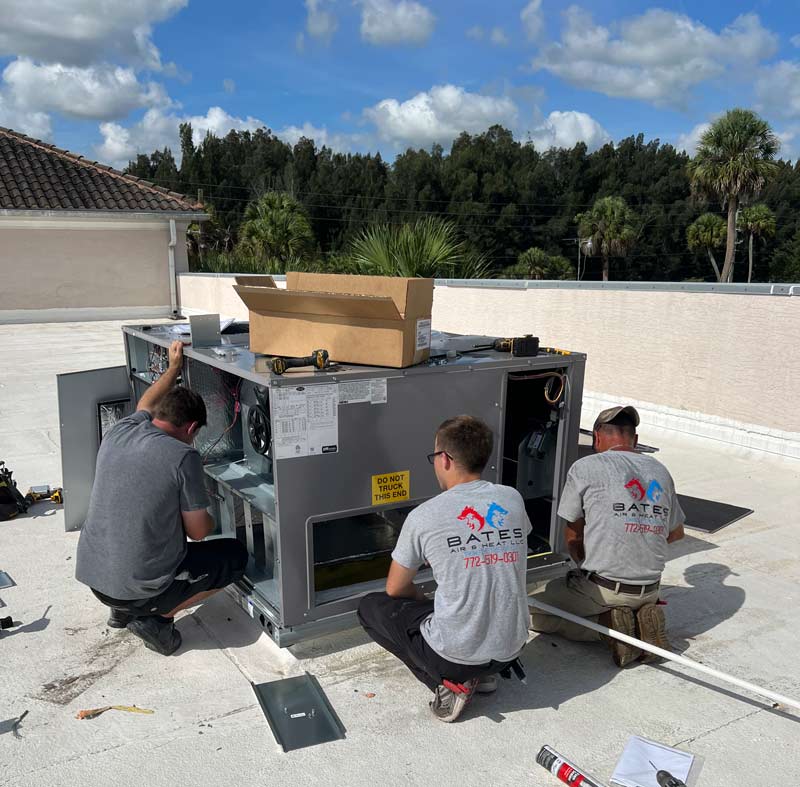
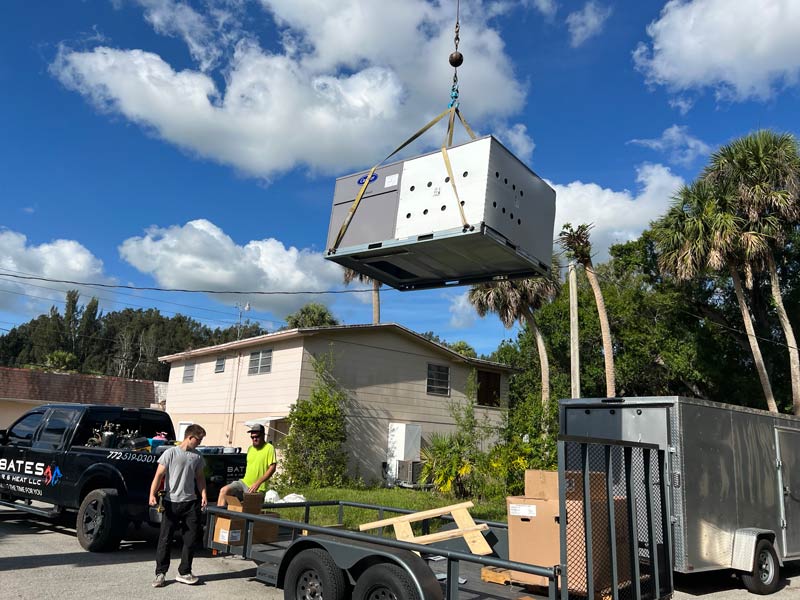
Homes on the ocean side of South Beach deal with direct salt spray that accelerates corrosion on outdoor components and electrical connections, while homes along the Intracoastal side, especially those with private docks in areas like Little Harbor, contend with a different kind of moisture that comes from being close to calmer, brackish water and surrounding boat traffic. Both conditions wear on a furnace over time, just through slightly different mechanisms.
Because South Beach tends to be occupied year round rather than seasonally, furnaces here also see more regular cycling than in some barrier island neighborhoods, which means normal wear on components like igniters, blower motors, and thermostats tends to show up on a more predictable schedule. Combined with the coastal exposure, that regular use means routine maintenance matters more here than it might in a home that only runs its furnace a handful of times a year.
Our technicians take into account which side of South Beach a home sits on before starting any diagnostic work, since oceanfront and Intracoastal exposure can point toward slightly different wear patterns. That context helps us get to the actual cause of a problem faster.
From there, we explain what we’ve found and complete most repairs in a single visit, using components suited to handle the humidity and salt exposure that come with barrier island living. Whether your home faces the Atlantic or backs up to the Intracoastal, we bring the same honest, thorough approach to every repair.
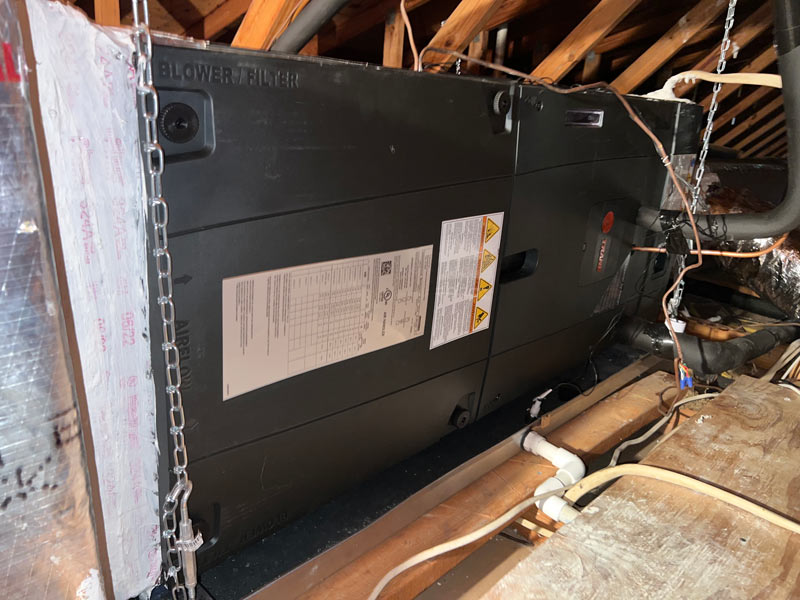
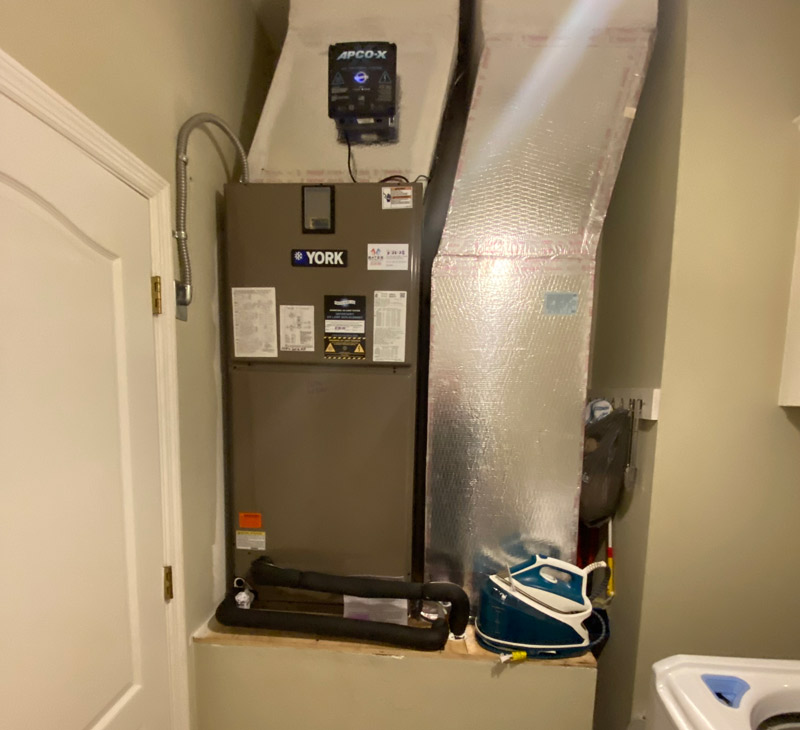
A homeowner in the Castaway Cove neighborhood named Brianna called us after noticing her furnace had started making a high-pitched whining noise every time it ran. Her home sits close enough to the ocean that she’d noticed some rust starting to form on outdoor fixtures around the house and wondered if the furnace was dealing with something similar. Our technician found the blower motor bearing had worn down faster than expected, likely due to the combination of regular year-round use and the salt air common to her side of the island.
The bearing was replaced and the furnace ran quietly through a full test cycle. Brianna asked what she could do to prevent the same issue down the road, so our technician recommended a more frequent maintenance schedule given both the coastal exposure and how often her family actually runs the system compared to some of the island’s more seasonal homes.
Homeowners throughout South Beach, from oceanfront properties to Intracoastal docksides, choose Bates Air and Heat for a few clear reasons.
That level of understanding is why South Beach families keep Bates Air and Heat as their go-to for furnace repairs, no matter which side of A1A they call home.


It can. Oceanfront homes deal with more direct salt exposure, while Intracoastal-facing homes contend with a different kind of moisture from the water and surrounding boat traffic.
Yes, more frequent use means components wear on a more regular schedule, which is why routine maintenance is especially useful for year-round homes.
This is often related to a worn motor bearing, which a technician can identify and replace before it causes further issues.
Yes, salt in the air travels beyond the immediate shoreline and can still accelerate corrosion on components throughout the island.
An annual inspection is a solid baseline, with more frequent checks recommended for homes with heavier regular use.