


Taking the Time for You.

On a barrier island, an air conditioner lives a harder life than almost anywhere else. Salt, sun, wind, and humidity all work on the equipment every day, which makes the quality of the installation even more important. At Bates Air and Heat, we install systems built and placed to hold up to coastal conditions while keeping your home quiet and comfortable.
We install central air conditioners, multi-system setups, variable-speed equipment, and ductless units for single-family homes, townhomes, and condominiums. Every project starts with a load calculation and a review of the ductwork, electrical service, and outdoor equipment location, and every project ends with complete testing. Our veteran-owned team provides honest recommendations, upfront quotes, and clear communication from the first visit to the final walkthrough. You’ll also have a local team ready when you need maintenance or service.
Walk outside and take a look at your condenser. On the island, it usually tells you more about the system’s health than the thermostat does. These are the signs we see most often on aging coastal equipment:
Once corrosion reaches the coil and electrical parts, repairs tend to stack up quickly. We’ll inspect your system and tell you honestly whether it’s worth fixing or time for a coastal-ready replacement.

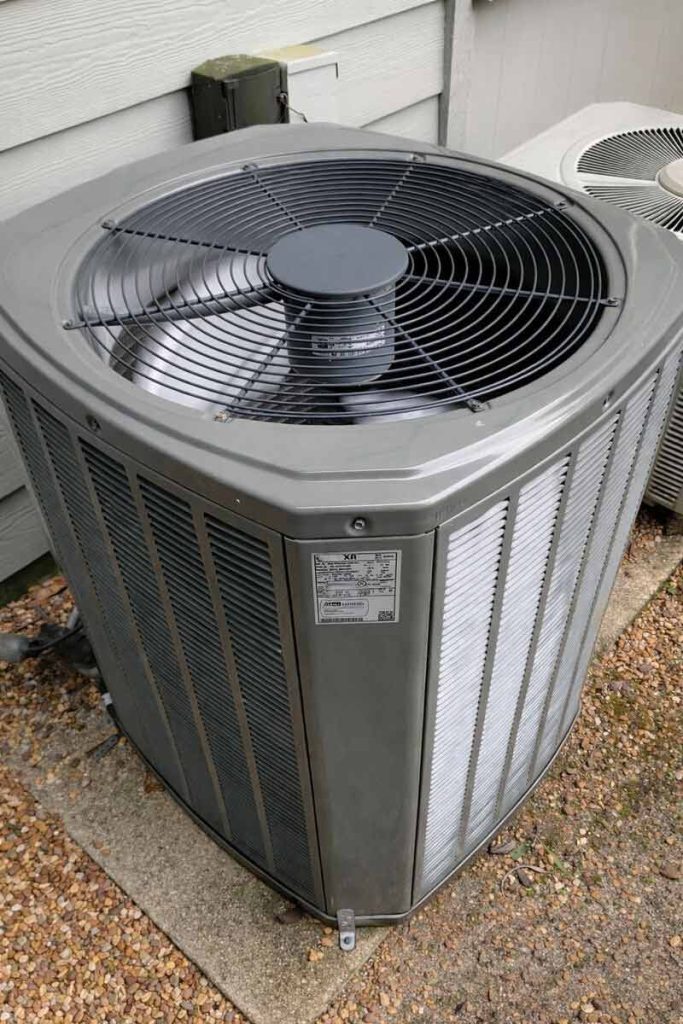
Wall-to-wall windows and water views come with a cooling cost. Large glass walls facing the ocean or the lagoon soak up afternoon sun, and open floor plans make it harder to keep temperatures even. A professional installation accounts for every one of those details, sizing the system and balancing airflow so the rooms with the best views are just as comfortable as the rest of the house.
It also protects the home itself. With water on both sides of the island, humidity is constant, and a properly sized and charged system keeps it in check. That protects hardwood, cabinetry, furnishings, and artwork from the slow damage that moist air causes.
Finally, a quality installation helps the equipment survive coastal conditions. Corrosion-resistant choices, sealed electrical connections, proper anchoring, and smart placement all add years to the system’s life and keep its warranty in good standing.
What does a well-run installation look like? It starts with a site visit where we measure the home, review window exposure and insulation, inspect the air handler, ductwork, and drain, and check the electrical panel. Outside, we evaluate where the condenser sits and what’s around it, including pool equipment, landscaping, and wind exposure.
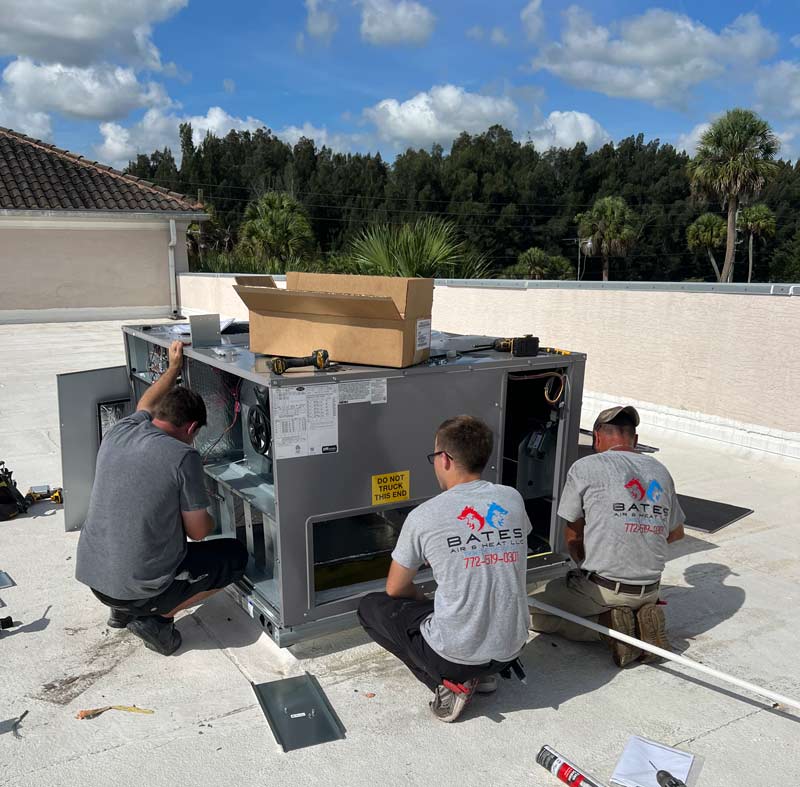
With a load calculation complete, we go over equipment options and pricing with you, including corrosion-resistant choices suited for the island. On installation day, our crew protects your floors and finishes, removes the old system, and sets the new outdoor unit on a level, anchored pad in the best available location. We install the indoor equipment, connect new refrigerant lines and a drain with a float safety switch, and seal all electrical connections against moisture.
Then we evacuate and charge the system, measure airflow and temperatures, and program your thermostat. We finish with a walkthrough and a recommended maintenance schedule built around salt air exposure.
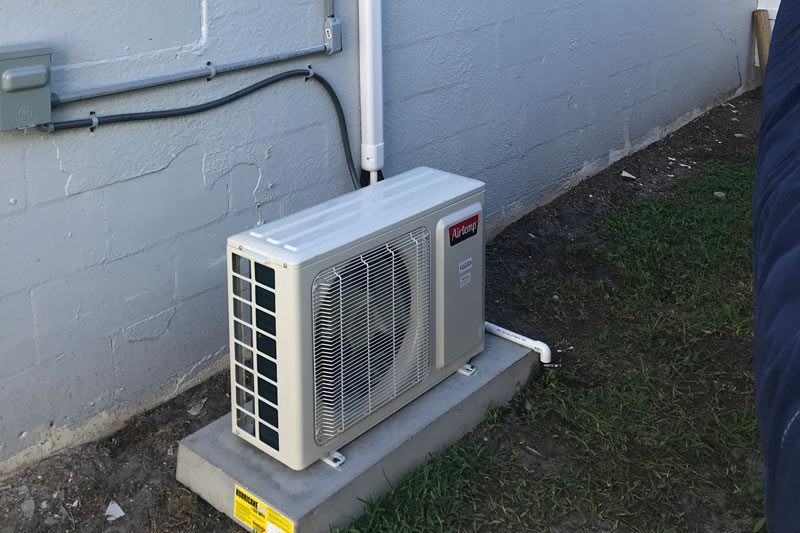
Many homes in South Beach have a pool, and on tight coastal lots, the pool equipment pad often ends up right next to the air conditioner. We see it regularly in The Moorings, Seagrove, and the waterfront condo communities along Bay Road, where outdoor space is at a premium. The two may share a side yard, a screened enclosure, or even the same concrete pad.
That close contact takes a toll. Chlorine tablets and pool chemicals stored near the condenser release corrosive vapors that the fan pulls straight through the coil. Saltwater pool systems and splash add more salt to air that’s already loaded with ocean spray. Pool heaters that discharge air toward the condenser can also interfere with its airflow. The result is pitted fins, corroded copper, failing electrical parts, and refrigerant leaks years before the system should wear out.
When we install AC on a property with a pool, we look at the whole equipment area before choosing where the condenser goes. Whenever possible, we position it away from chemical storage, pool heaters, and splash zones, and we recommend moving stored chemicals to a separate, ventilated spot. We suggest corrosion-resistant equipment or protective coil coatings, seal electrical connections, and set up a rinse and maintenance schedule to keep salt and chemical residue from building up.
When you live where others vacation, you want contractors who show up ready and leave things better than they found them. Here’s what you can expect from us:
We’d be glad to help you choose a system built for island living. Call Bates Air and Heat to schedule your AC installation consultation.

Yes. Chlorine vapor from stored chemicals and salt from saltwater pools can corrode the coil, fins, and electrical parts.
It depends on the layout, but the condenser should sit away from chemical storage, pool heaters, and splash zones. We evaluate spacing on every install.
It can. If a pool heater discharges air toward the condenser, it can interfere with airflow and reduce efficiency. Keeping the two apart helps.
For homes near the ocean or pool equipment, corrosion-resistant materials and coil coatings can add years to the system’s life.
Many coastal homeowners benefit from service twice a year, along with periodic rinsing of the outdoor coil to remove salt buildup.
We use cookies to improve your experience on our site. By using our site, you consent to cookies.
Manage your cookie preferences below:
Essential cookies enable basic functions and are necessary for the proper function of the website.
You can find more information in our Cookie Policy and .