


Taking the Time for You.

Port Saint Lucie has grown faster than almost any other city in Florida over the past two decades, and that growth has brought with it an enormous range of housing types, from sprawling newer subdivisions in the western communities to older concrete block homes in the original sections east of US-1. What every one of those homes has in common is a heat pump working against the same relentless Treasure Coast heat and humidity from May through October. When that system starts falling short, the size of the city does not make it any easier to go without cool air. Bates Air and Heat is a veteran-owned HVAC company that serves Port Saint Lucie and takes every call with the same level of care, whether the home is brand new or has been standing since the 1970s.
One of the most common things we hear from Port Saint Lucie homeowners is that their system is running but the house just does not feel right. That gap between technically operating and actually performing is where most heat pump problems live before they become obvious failures. Port Saint Lucie’s size and housing diversity mean the specific symptoms vary by neighborhood, but these are the ones that tend to show up across the board:
In a city as large as Port Saint Lucie, it can be tempting to assume a struggling system is just the price of Florida summer. It is not. Most of these symptoms have a specific cause and a specific fix, and finding that fix before something fails outright is almost always the better path.
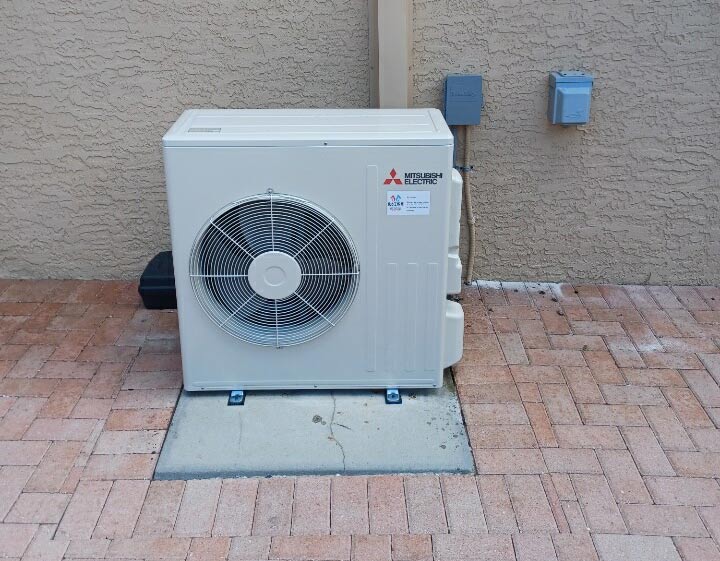
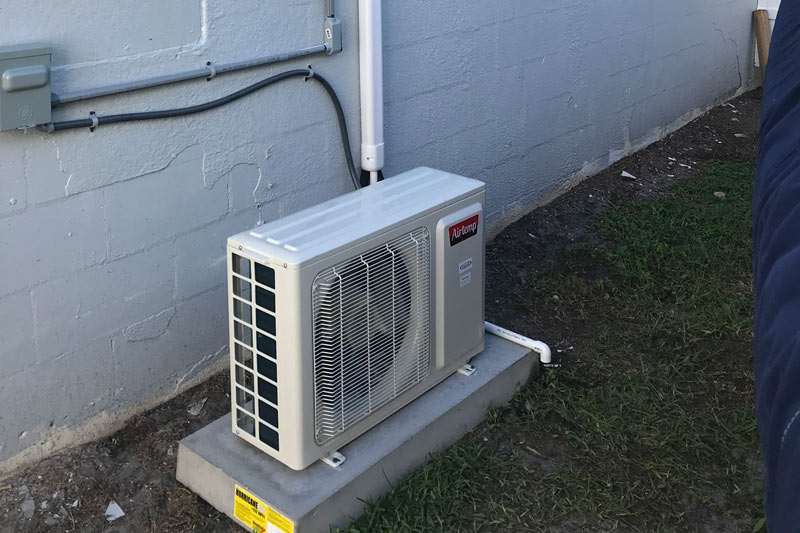
What makes Port Saint Lucie genuinely different from smaller communities is the sheer variety of housing and construction eras packed into a single city. The original Port Saint Lucie neighborhoods east of US-1 were built out mostly in the 1970s and 1980s, and those homes have older duct systems, original air handler cabinets, and equipment that in some cases has been replaced once or twice with whatever was available at the time rather than what was properly sized. The western communities, including Tradition and the newer sections of Torino and Rosser, have more recent construction with tighter building envelopes but also brand-new systems that still need to be broken in under Florida conditions. The St. Lucie West corridor sits somewhere in between. Each of those settings produces a different failure pattern:
Understanding which of these scenarios applies to a specific home is what drives an accurate diagnosis and a repair that addresses the actual problem rather than the most obvious symptom.
Port Saint Lucie is a city where we might service a fifteen-year-old system in a 1980s block home in the morning and a two-year-old system in a new construction home in the afternoon. Our diagnostic process is thorough enough to handle both situations accurately because we do not assume we already know what the problem is before we look. Here is what every repair visit from Bates Air and Heat includes:
For homeowners across Port Saint Lucie who want their system maintained rather than just repaired when it breaks, our maintenance agreements provide scheduled care that keeps equipment running efficiently through each cooling season and catches developing issues before they turn into emergency calls.
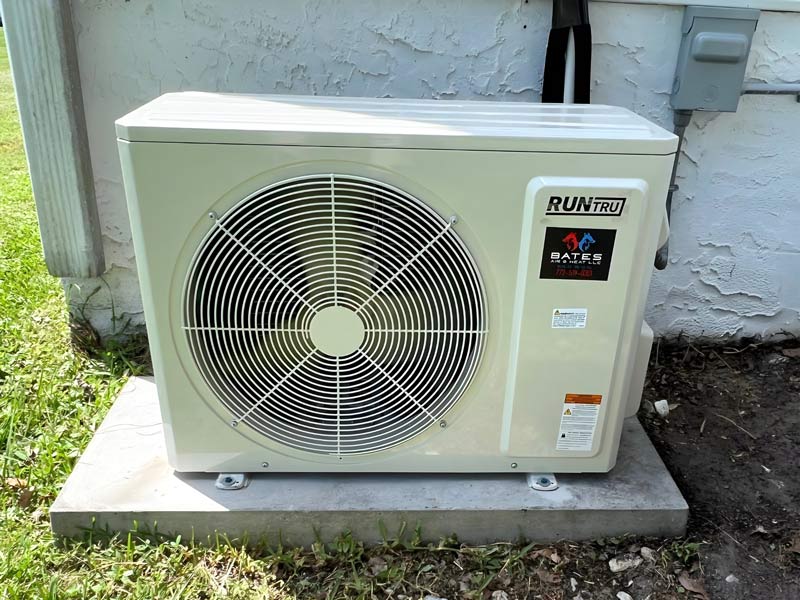
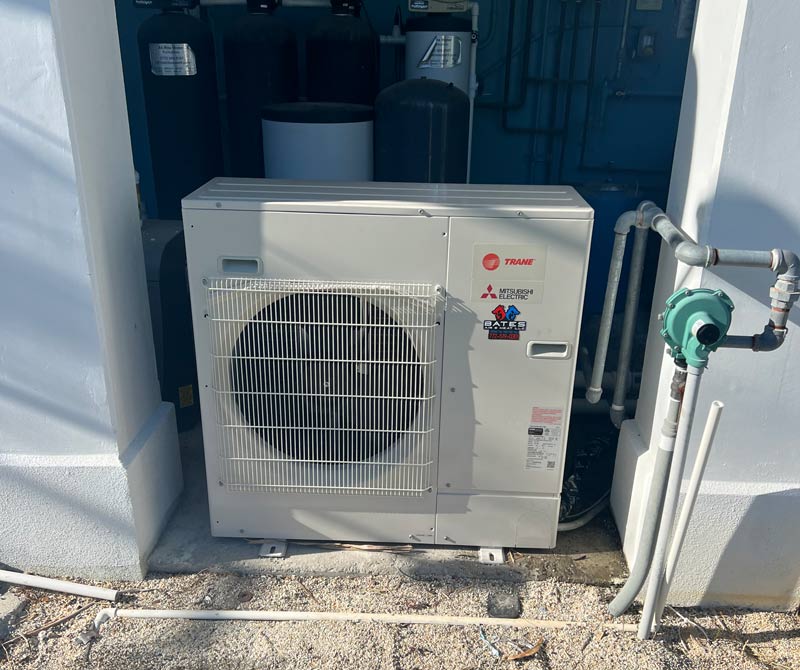
We got a call earlier this year from a homeowner named Sandra who lives in the Torino neighborhood on the west side of Port Saint Lucie. Her system was a few years old and had never given her trouble before, but over the past several weeks she had noticed the house was not recovering well after the hottest part of the afternoon. By the time she called us, the indoor temperature was climbing into the low eighties before the system could bring it back down, and the process was taking well into the evening. When we arrived and ran the diagnostic, the refrigerant charge was low and the evaporator coil had a heavier than expected layer of buildup on it for a system that young. We traced the refrigerant loss to a loose flare fitting at the service valve, the kind of connection issue that sometimes develops in new construction when fittings are not fully torqued during installation and work loose through the vibration of normal operation. We tightened and sealed the fitting, cleaned the coil, brought the refrigerant charge back to spec, and verified the system’s airflow matched the home’s load requirements before we left. Sandra said she had assumed that because the system was relatively new, it must be working correctly and the problem was something else entirely. New equipment can absolutely have installation-related issues, and in a city that has seen the volume of new construction Port Saint Lucie has, those kinds of findings are not uncommon at all.
Port Saint Lucie is one of the largest cities in Florida by land area, and with that size comes a lot of HVAC companies competing for the same calls. Bates Air and Heat is not trying to be the biggest operation in St. Lucie County. We are trying to be the one that homeowners trust to show up, be straight with them, and do the job correctly. Being veteran-owned means we bring a specific sense of accountability to this work that we think shows in how we handle every call. Here is what that looks like when you schedule with us:
Port Saint Lucie has a lot of choices when it comes to HVAC service. We earn our calls one honest job at a time, and that approach has not changed since the day we opened.
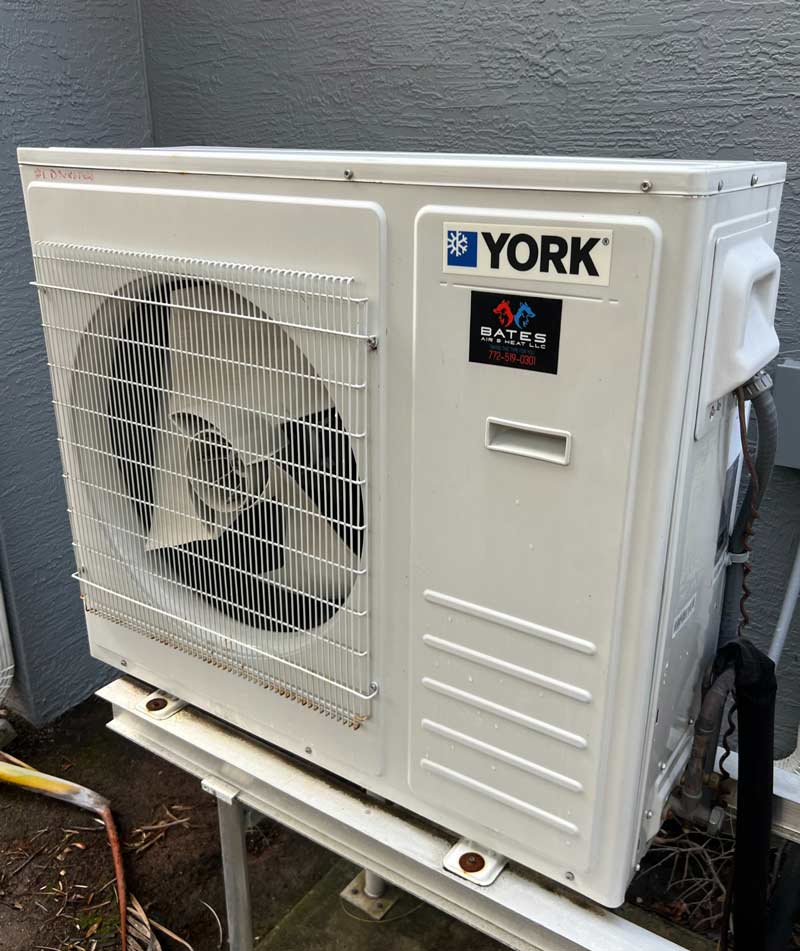

Yes, and in a city with as much new construction as Port Saint Lucie, installation-related issues are something we find regularly. Loose fittings, improperly sized equipment, and systems that were not fully commissioned after installation can all cause performance problems even in relatively new units. Age alone does not guarantee correct operation.
A heat pump manages both temperature and moisture, and those two functions can become decoupled when the system is low on refrigerant, the evaporator coil is fouled, or the system is oversized for the home and cycling off before it has run long enough to pull adequate moisture from the air. In Port Saint Lucie’s climate, indoor humidity control is just as important as temperature, and diagnosing which of these is at play requires a full system check.
Homes near the canal systems and the North Fork of the St. Lucie River deal with elevated ambient moisture that mirrors some of the corrosion conditions found in coastal communities. Outdoor electrical components on units close to waterways tend to show terminal corrosion and contactor pitting sooner than equipment in drier locations. It is worth factoring that into your service schedule if your property backs up to water.
Across the city, capacitor failure is the single most frequent finding we make. The extended periods of high ambient heat around outdoor units during Port Saint Lucie summers shorten capacitor lifespan significantly. Drain line blockages are a close second. Both are preventable with regular maintenance, which is one of the strongest arguments for a service agreement in this climate.
We do, and we approach them differently because the problems they present are often quite different. Older homes tend to have duct and air handler issues built up over time. Newer homes more often have installation or commissioning issues that were never caught. We are comfortable working through both and have the diagnostic experience to handle what we find in either setting.