


Taking the Time for You.

Port St Lucie has become one of the fastest-growing cities in the country, drawing new residents from colder states every year who are still adjusting to what a Florida winter actually feels like. Many of those newcomers move into brand new homes in master-planned communities like Tradition, where furnaces sit mostly untouched for months at a time since the mild climate rarely calls for heat. At the same time, established neighborhoods throughout the city sit alongside the extensive network of freshwater lakes and canals built to manage stormwater, adding humidity that older systems weren’t necessarily designed to handle long term. Bates Air and Heat is a veteran-owned company that helps both longtime residents and recent transplants keep their heating running when they actually need it.
Whether your furnace is brand new or original to an older Port St Lucie home, a few signs mean it’s time for a look.
Because many furnaces here sit unused for long stretches, it’s common for small issues to surface right when you finally need the system to work.
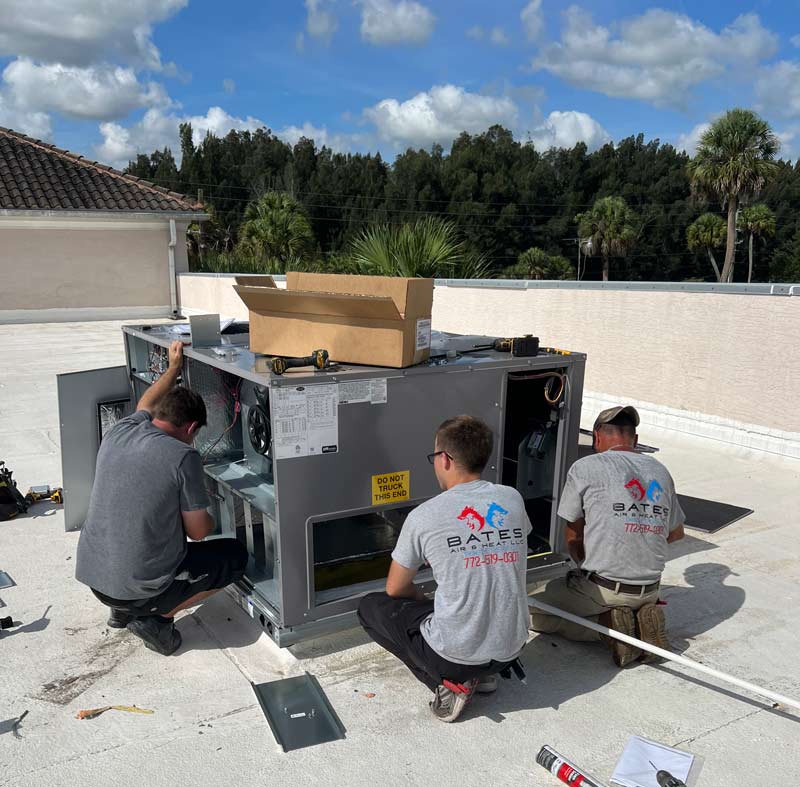
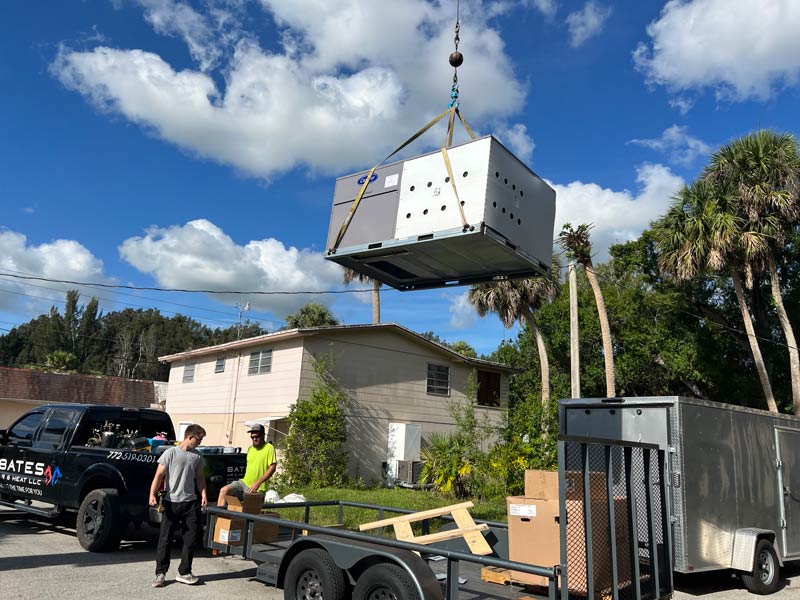
In newer communities across Port St Lucie, furnaces often sit idle for the majority of the year, and that lack of regular use means small problems, like a dust-clogged filter or a sticking component, can go unnoticed until a rare cold snap forces the system into action. New homeowners unfamiliar with Florida’s climate sometimes assume any hiccup is normal, when it’s actually worth a quick inspection.
In the city’s more established neighborhoods, many of which sit near the network of lakes and canals built decades ago for flood control, furnaces contend with steady humidity that speeds up corrosion and can lead to musty odors circulating through older ductwork. Aging components in these homes often need attention that a newer system in a master-planned community simply hasn’t reached yet.
Because Port St Lucie is home to such a wide range of furnace ages and usage patterns, our technicians start by understanding your specific situation, whether that’s a system that’s barely been used since installation or one that’s been running for decades near a canal. That context shapes how we approach the diagnosis.
From there, we explain exactly what we find and complete most repairs in a single visit, using the same honest, straightforward approach whether you’ve lived here for years or just moved in from out of state. Bates Air and Heat treats every Port St Lucie home with the same level of care, no matter its age or history.
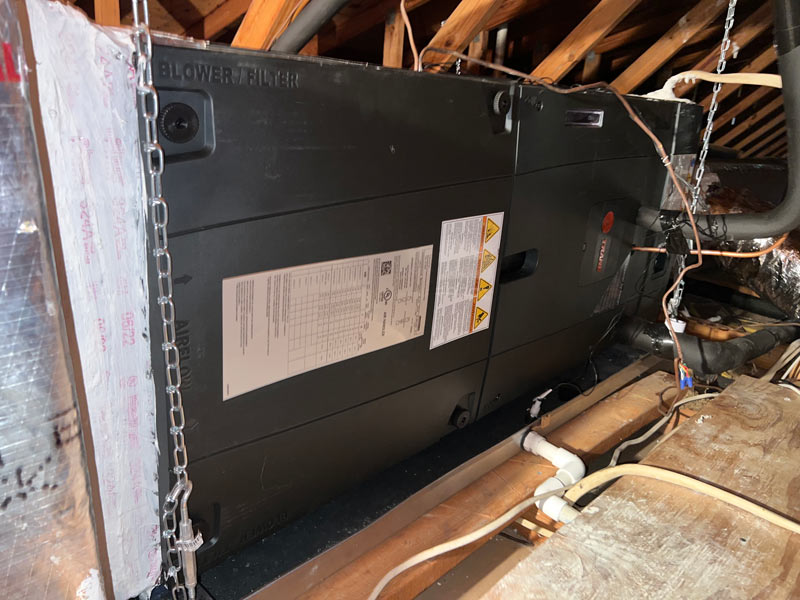

A homeowner in the Tradition neighborhood named Craig called us during his first winter in Port St Lucie after relocating from the Midwest, worried his brand new furnace wasn’t working at all when it never seemed to turn on. After walking him through the thermostat settings over the phone, our technician still came out to confirm everything, and found the system was actually fine, it simply hadn’t been used since the home was built and needed its first real test.
Our technician ran the system through a full cycle, checked the filter and connections, and confirmed everything was working as it should. Craig mentioned he had no idea how different a Florida winter would feel compared to what he was used to, and he signed up for an annual check so he’d know his system was ready each year before the first cool snap.
Homeowners across Port St Lucie, from Tradition to the city’s older neighborhoods, choose us for a few clear reasons.
That kind of consistency is why so many Port St Lucie families, whether they’ve been here for decades or just arrived, call us first when their furnace needs attention.

It’s possible. Systems that sit idle for long stretches can develop small issues that only show up once the furnace is finally put to use.
Furnace use here is generally limited to occasional cold snaps, but it’s still worth having the system checked before you rely on it.
Yes, the added humidity can speed up corrosion and moisture buildup, especially in older ductwork near these waterways.
This can be caused by anything from a thermostat setting to an electrical issue, and a technician can quickly identify the cause.
An annual check before the cooler months is a good practice, even if the system doesn’t get heavy use throughout the year.