


Taking the Time for You.

Poinciana Park is one of those established Vero Beach-area neighborhoods where the homes have some age on them and the streets feel settled and familiar. The mature trees and older construction give it a character that newer subdivisions simply have not had time to develop. But those same older homes come with HVAC systems that have been running through Florida summers for a long time, and the equipment inside them carries the wear that comes with that. When something goes wrong with your heat pump in Poinciana Park, Bates Air and Heat is ready to take a look. We are veteran-owned, we work in this area regularly, and we handle every call with the kind of straightforward service we would want for our own homes.
Older systems in established neighborhoods like Poinciana Park tend to develop problems that creep up gradually rather than hitting all at once. A heat pump that has been running through Indian River County summers for ten or fifteen years has accumulated real wear, and that wear tends to show up in ways that are easy to attribute to something else at first. These are the signs worth taking seriously:
In a home with an aging system, these signals tend to compound. One worn component puts strain on the next one, and a repair that might have been simple in April can become a more involved job by August if it goes unaddressed.
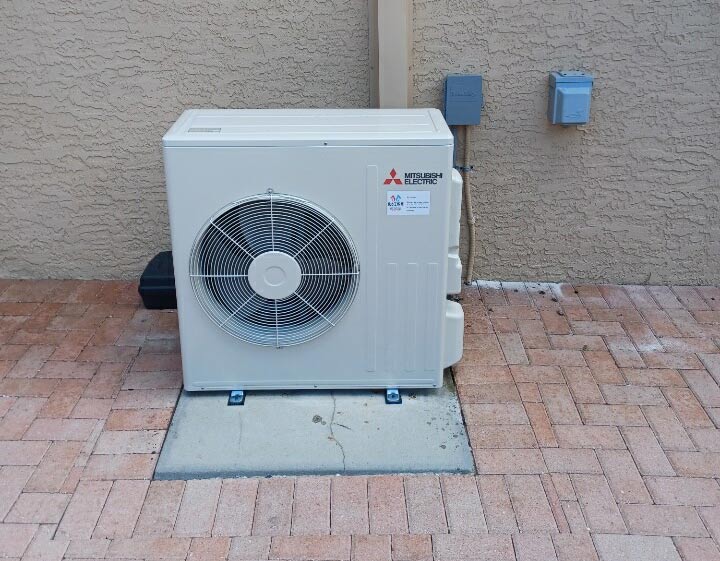
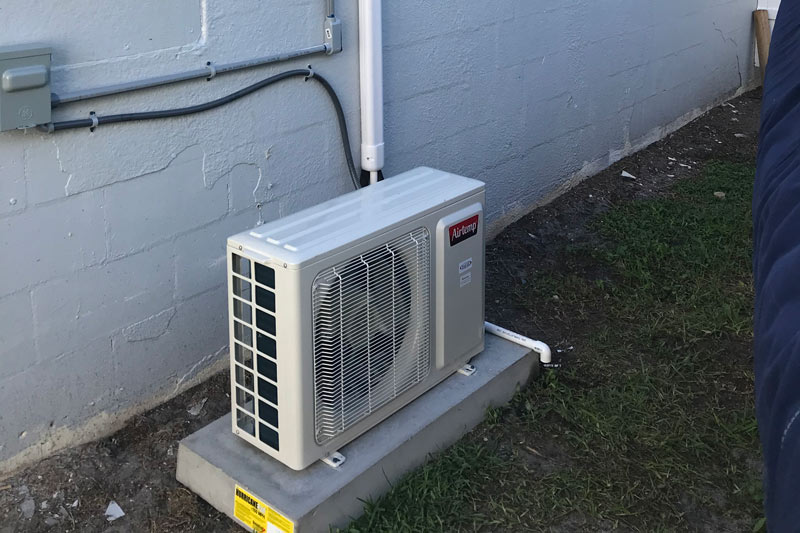
Poinciana Park’s mature landscaping is one of the things that makes it an appealing place to live, but those established trees and shrubs create an HVAC environment that comes with its own set of considerations. Leaf litter, seed pods, and organic debris from large shade trees find their way into condenser coils continuously, especially during seasonal shedding periods. The dense canopy that keeps the neighborhood cooler than open subdivisions also creates pockets of still, humid air around outdoor units that reduce how efficiently the equipment can shed heat. Add in the fact that many of these homes still have their original ductwork from construction decades ago, and you have a situation where the building’s infrastructure is working against the mechanical system’s performance. The specific issues we encounter most often in homes like these include:
None of these are unusual findings in a neighborhood like Poinciana Park. They are the predictable result of time and climate, and knowing how to address them correctly is what separates a lasting repair from one that brings you back to the same call in six months.
We come into a Poinciana Park service call expecting to find a system with history, and we approach the diagnostic accordingly. That means we are not just looking at the component that stopped working. We are looking at what caused it to stop working, what that failure mode tells us about the rest of the system, and whether there are other things developing that are worth addressing while we are already there. Our heat pump repair services cover:
We also offer maintenance agreements that make a lot of sense for Poinciana Park homeowners with older systems. A scheduled service visit each year catches the kind of gradual wear that accumulates quietly and tends to announce itself at the worst possible time.


We got a call in late August from a homeowner named Vincent who lives in Poinciana Park. He said his system had been acting strangely for about a month, running hard but never quite catching up with the afternoon heat, and he had started hearing a faint grinding noise from the outdoor unit that came and went during operation. He had been putting the call off hoping it would sort itself out, which is an instinct we understand even though it rarely works in a Florida summer. When we arrived and opened up the outdoor unit, the condenser coil was packed with decomposed organic material that had accumulated from the large oak trees overhanging the unit on two sides. Airflow through the coil had been cut significantly, which was forcing the compressor to work under strain for every cycle. The grinding sound was coming from a blower motor bearing that was failing under the added load. We cleaned the coil thoroughly, replaced the blower motor, and inspected the capacitor while we had the unit open. The capacitor was still within range but only barely, so we replaced it proactively rather than wait for it to fail on its own. Vincent mentioned he had not realized how much the trees overhead were affecting the unit. It is one of those things that happens so gradually that you do not notice until something breaks. We also talked with him about trimming the canopy back from the unit to reduce how quickly it would accumulate debris going forward.
Poinciana Park is not a neighborhood that turns over quickly. People put down roots here, and they tend to want the same thing from the companies they hire: someone who shows up, does the job well, and is honest about what they find. That is exactly how Bates Air and Heat operates. We are veteran-owned, and the values that comes with that background are not something we leave at the door when we pull up to a job. Every call we take in this area reflects on our reputation, and we protect that reputation by doing the work correctly every time. When you call us, you can expect:
We take pride in the work we do in communities like Poinciana Park, and we are glad to be the company neighbors recommend to each other when the heat pump stops cooperating.


Mature trees drop leaves, seed pods, and organic debris that pack into condenser coil fins over time, restricting the airflow the unit needs to shed heat. Dense canopy overhead also traps humid, still air around the unit, which reduces how efficiently it can operate. Keeping the coil clean and maintaining some clearance around the unit goes a long way toward keeping performance where it should be.
Grinding sounds from the outdoor unit usually point to a bearing issue in the fan motor or a compressor that is working under strain. Neither gets better on its own. Running the system with that kind of mechanical problem tends to accelerate the damage, so it is worth having it checked out before a repairable issue becomes a component replacement.
Flex duct in Florida attics typically has a practical lifespan of fifteen to twenty years before the material begins to stiffen, crack, or separate at connections. If your home’s ductwork is original to a construction from the 1980s or 1990s, it is worth having it inspected. Symptoms like weak airflow at certain registers and rooms that never reach the set temperature are common signs that the duct system is losing air before it gets where it is supposed to go.
When a capacitor is reading at the low end of its acceptable range on an older system, replacing it during a service visit is usually a practical decision. A failed capacitor prevents the system from starting entirely, and that failure tends to happen at peak demand times. The cost of a proactive replacement is modest compared to the inconvenience of a no-start condition on a hot afternoon.
At minimum once a year, ideally before the heaviest cooling season begins in late spring. For systems that are ten years old or more, or in homes with significant tree coverage around the outdoor unit, a mid-season check is a reasonable addition. The goal is to catch what is developing before it becomes what is broken.