


Taking the Time for You.

If you’ve ever replaced a roof or a water heater, you know the contractor matters as much as the product. Air conditioners work the same way. Two identical units can deliver completely different results depending on how they’re sized, connected, and set up, which is why Bates Air and Heat puts so much care into the installation itself.
We install central air conditioners, split systems, package units, and ductless systems for homes of all ages and sizes. Each job includes a load calculation, a check of your ductwork and electrical service, and a close look at how the system drains, followed by complete testing once the new equipment is running. Our veteran-owned team explains your options in plain language and provides an upfront quote before work begins. The goal is simple: a system that cools well, runs efficiently, and doesn’t give you headaches.
Homes built in the early 1970s have usually gone through several air conditioners by now, and the current one may be closer to the end than you think. When an older system starts to fail, it often shows up in a few predictable ways:
Several of these together usually mean it’s time to plan for a replacement rather than another patch. We’ll take a look and give you a straight answer about what makes the most sense.

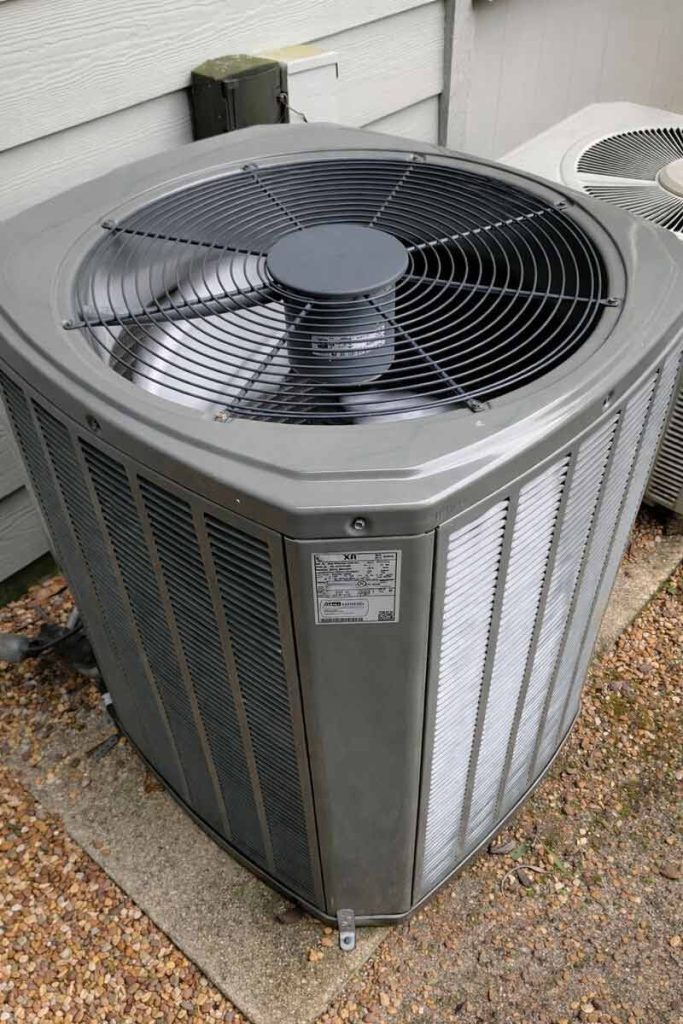
A new air conditioner should protect your home, not just cool it. An AC pulls gallons of water out of the air on a humid day, and if that water isn’t handled properly it ends up in ceilings, walls, and floors. A professional installation includes a correctly sloped drain, safety switches, and a secondary pan where needed, so the system removes moisture without creating a new problem.
The air itself feels better too. A system sized to your home’s actual cooling load runs steady cycles that keep humidity in check, which matters in neighborhoods where summer air is heavy for months at a time. That steady dehumidification keeps rooms comfortable, protects furniture and cabinetry, and helps keep mold from taking hold.
And of course, there’s the efficiency. Proper charge, tight connections, and balanced airflow let the equipment reach its rated performance, which keeps power bills in line. It also preserves your warranty and helps the system last as long as it should.
Plenty of installs focus only on the equipment. Ours start with the space around it. During the first visit, we look at where the air handler sits, how the drain line runs, the condition of the ductwork, and the state of your electrical panel and outdoor disconnect. Then we measure the home and run a load calculation to size the new system correctly.
After reviewing options and pricing with you, we schedule the install. Our crew protects your floors, recovers refrigerant from the old system, and removes the outdated equipment. We install the new air handler and outdoor unit, run fresh refrigerant lines, and set up the drain with proper slope, a trap, a cleanout, and a float safety switch.
Testing comes last and gets our full attention. We evacuate and charge the system, measure airflow and temperatures, and pour water through the drain to confirm it flows freely and the safety switch works. We finish by walking you through the thermostat, filter changes, and how to keep the drain clear.
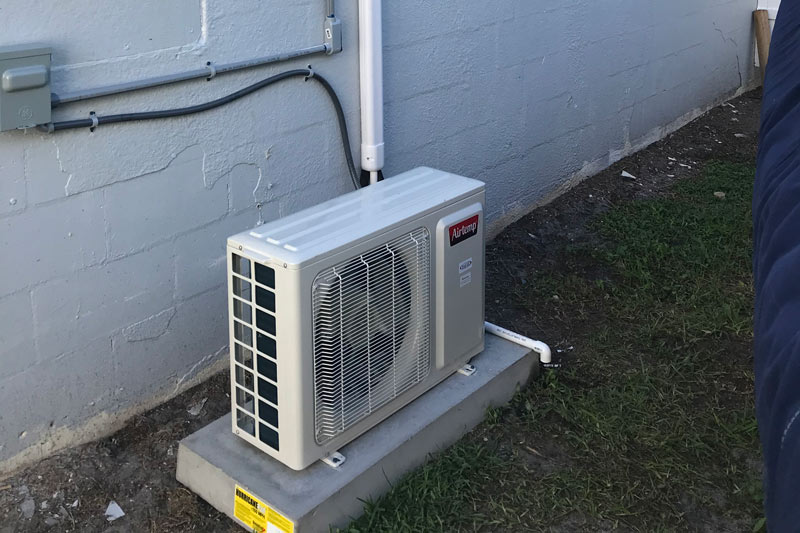
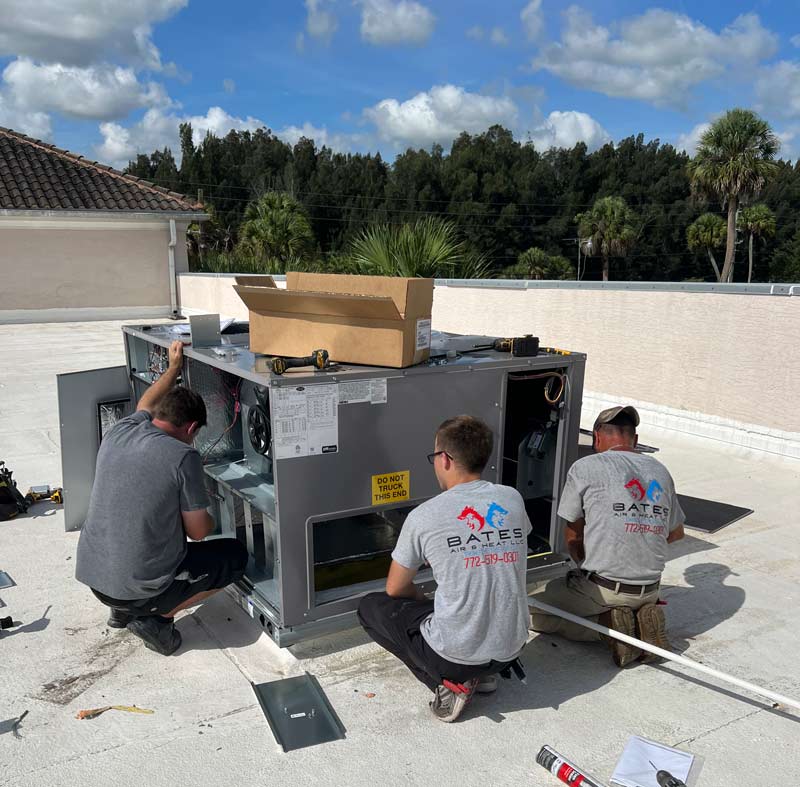
Water from the air conditioner causes more damage in older homes here than most people realize. Royal Poinciana Park, Waterford Lakes, and the surrounding streets near 4th Place, 5th Street, and 6th Street are filled with homes dating back to the early 1970s, many with air handlers tucked into interior closets, garages, or attics. Over the decades, drain lines have been patched, extended, or rerouted with each new system, and many no longer drain the way they should.
Florida’s humidity makes the problem worse. An AC can produce a surprising amount of water on a muggy day, and that warm, wet line is the perfect place for algae and sludge to grow. When the line clogs, water backs up into the pan and spills over, leading to stained ceilings, soaked closet floors, swollen baseboards, and mold growth. Older systems without a float switch or secondary pan have no way to stop the overflow before damage happens.
When we replace a system in one of these homes, we treat the drain as a core part of the installation. We inspect the existing line, check its slope and termination, and replace or reroute it if it’s undersized, sagging, or poorly connected. We add a proper trap and cleanout, install a float safety switch, and place a secondary pan under attic or closet units where needed. Then we test the drain before we leave, so your new system handles moisture as well as it handles heat.
Hiring an HVAC company really comes down to trust. Here’s how our veteran-owned team earns it on every job:
When it’s time for a new system, we’ll make the process easy and the result dependable. Call Bates Air and Heat to schedule your AC installation estimate.


Florida humidity produces a lot of condensate, and algae and debris build up in the line over time. Proper slope, a trap, and regular flushing help prevent clogs.
A float switch shuts off the AC if water backs up in the drain pan or line, helping prevent overflows and water damage.
We inspect the existing line and replace or reroute it when it’s too old, poorly sloped, or not suited to the new system.
Change filters regularly, flush the line periodically, and schedule routine maintenance so a technician can clean it before it clogs.
Most replacements are completed in one day, including drain and system testing. We’ll let you know in advance if your home needs extra work.
We use cookies to improve your experience on our site. By using our site, you consent to cookies.
Manage your cookie preferences below:
Essential cookies enable basic functions and are necessary for the proper function of the website.
You can find more information in our Cookie Policy and .