


Taking the Time for You.

Fort Pierce has built its identity around the water, from the working docks along the Indian River Lagoon to the historic homes just blocks from the Atlantic. That same salt air that makes the waterfront so appealing also speeds up wear on metal components inside HVAC equipment, furnaces included. Add in a hurricane season that regularly brings power surges, flooding, and humidity spikes, and it’s easy to see why heating systems here need more attention than the average inland home. Bates Air and Heat is a veteran-owned company that understands what coastal living does to home comfort systems, and we repair furnaces with that reality in mind.
A furnace close to the coast tends to show wear a little differently, so it pays to know the warning signs.
Salt air speeds up corrosion in ways inland homeowners rarely deal with, so catching these signs early can save you from a bigger repair later.
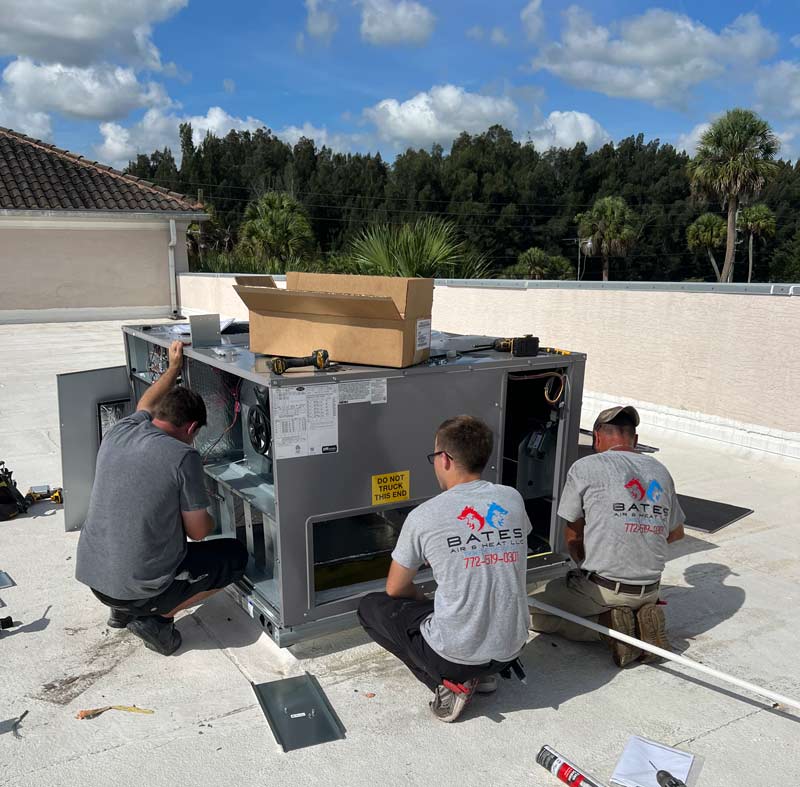
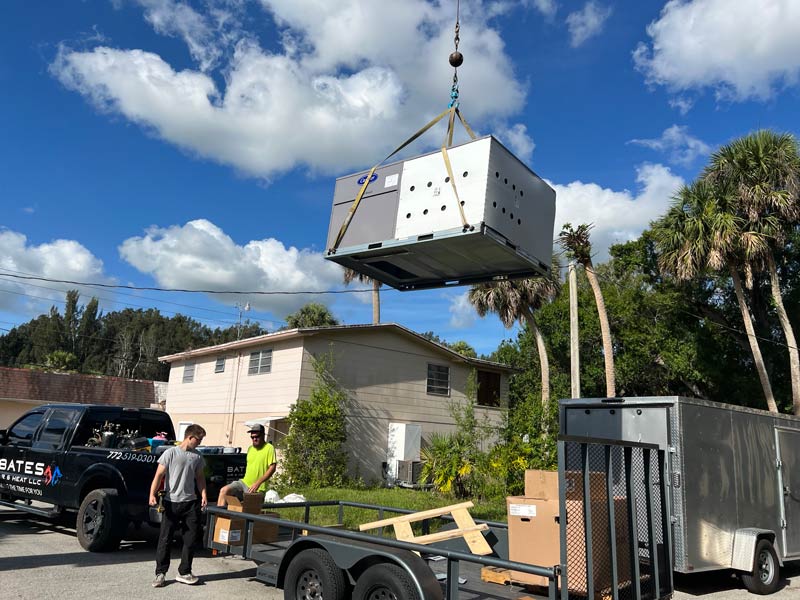
Proximity to the Indian River Lagoon and the Atlantic means Fort Pierce homes deal with salt-laden air that corrodes metal parts faster than almost anywhere else in the region. Electrical contacts, heat exchangers, and exposed ductwork connections are especially vulnerable, and that corrosion often shows up as intermittent electrical issues or reduced efficiency long before a full breakdown.
Many neighborhoods in Fort Pierce include homes built well before modern hurricane codes, and older ductwork in these properties has often absorbed years of humidity swings from storm season. That moisture exposure warps seals, promotes mold growth in ducts, and puts extra load on ignition systems that weren’t built to handle constant humidity cycling.
Our technicians start every visit with a full assessment, not just of the furnace itself but of the ductwork and electrical connections feeding it, since coastal corrosion often hides in places a quick glance would miss. That thorough approach means we catch problems tied to salt exposure or storm damage that a surface-level repair would leave behind.
Once we’ve pinpointed the issue, we explain your options clearly and complete the repair using components suited to handle Fort Pierce’s coastal conditions. Most repairs are finished in a single visit, and we stand behind our work because a furnace fix that fails after the next humid stretch isn’t a fix at all.
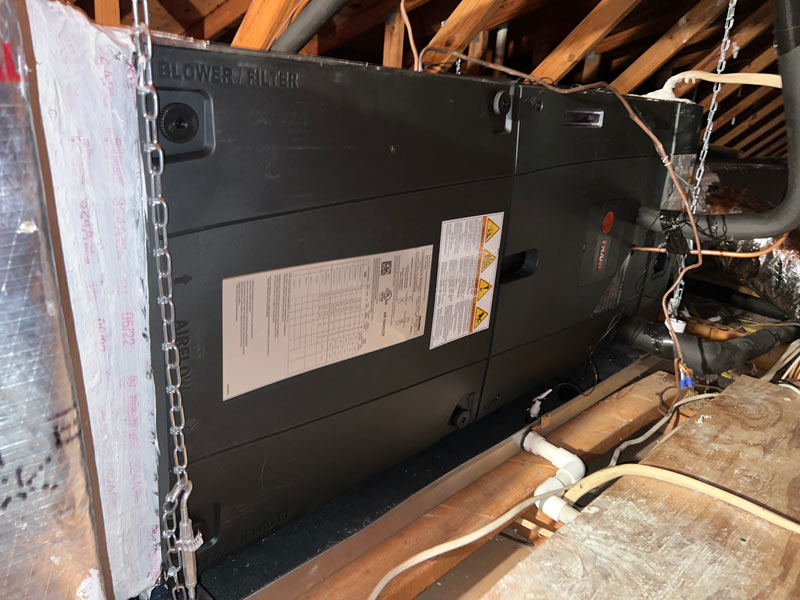
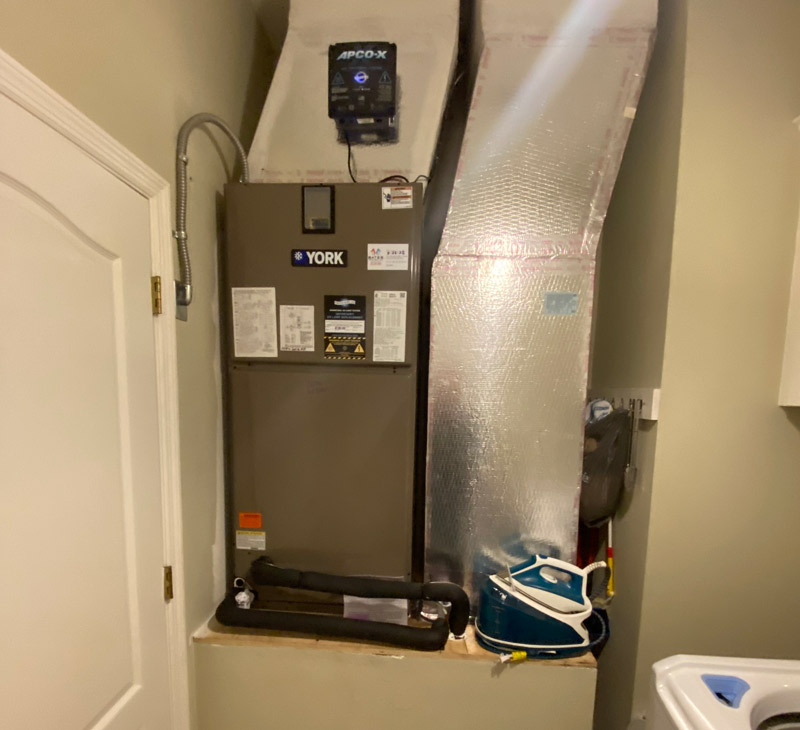
A homeowner in Fort Pierce’s Indian River Estates neighborhood named Marcus called us after his furnace started tripping its breaker every time it kicked on. He’d noticed the issue right after a stretch of heavy summer storms and figured the two might be connected. Our technician found corroded wiring at the connection point, a common result of the salt air and humidity that settles into older ductwork near the lagoon.
The wiring was replaced and the connections sealed against future moisture, and the furnace ran without tripping again. Marcus signed up for a seasonal maintenance check afterward, since a quick inspection before and after hurricane season can catch this kind of corrosion before it causes a bigger problem.
Fort Pierce homeowners have their pick of HVAC companies, and here’s why so many choose us.
That kind of consistency is what keeps Fort Pierce families calling us back year after year.
Yes. Salt air speeds up corrosion on metal components, which can shorten the lifespan of electrical parts and connections.
It’s a good idea. Humidity and storm exposure can stress ductwork and wiring, so a post-storm inspection helps catch issues early.
This is often linked to corroded or loose wiring, which a technician can identify and repair safely.
Absolutely. Many of our repairs are for historic homes, and we work with the ductwork and systems already in place whenever possible.
Routine maintenance and prompt attention to small issues go a long way toward offsetting the effects of salt air and humidity.