


Taking the Time for You.

A new air conditioner should fit your home the way a good pair of work boots fits your feet. Too big and it short cycles, leaving rooms cold but sticky. Too small and it runs all afternoon without ever catching up. At Bates Air and Heat, we size and install every system around the home it’s going into, whether that’s a compact condo, a mid-century ranch, or a bungalow that’s never had central air.
Our team installs central split systems, heat pumps, package units, and ductless systems, along with the ductwork, thermostats, and electrical connections that support them. We start with a full evaluation, give you honest options with upfront pricing, and handle the entire job from hauling out old equipment to final testing. As a veteran-owned company, we believe in doing things the right way, even when nobody’s watching. You’ll know what we’re doing and why at every step.
The first real heat wave of the year has a way of exposing a tired air conditioner. With so much of the city’s housing dating back to the 1960s through the 1980s, we see plenty of systems that have been patched more times than anyone can count. If your home is showing any of these, a new installation may be the better path:
None of these mean you have to replace today, but they do mean it’s time to start planning. We’ll give you a straight answer on whether your current system has more years left in it.
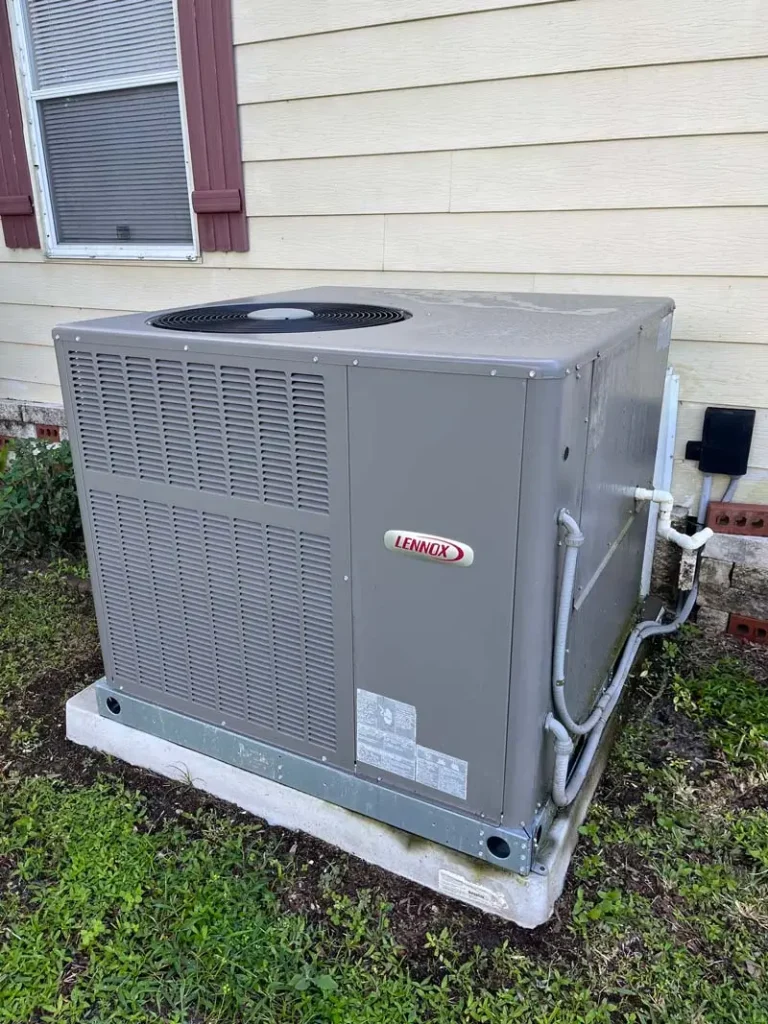

An AC that’s installed by the book holds up better when the weather turns rough. Fort Pierce has felt the full force of hurricanes before, and outdoor units that aren’t properly anchored or wired can be knocked loose, flooded, or damaged by surges when the power comes back. Proper tie-downs, a raised pad where water collects, and clean, sealed electrical connections give your system a much better chance of riding out storm season.
Day to day, the payoff is efficiency and comfort. When the refrigerant charge, airflow, and duct connections are dialed in, the system cools faster, keeps humidity in check, and uses less power doing it. That’s noticeable in a city where muggy nights along the Indian River Lagoon can keep the AC running well past sunset.
For homes and condos near the inlet and out on Hutchinson Island, a careful install also means planning for salt air. Choosing equipment with corrosion protection and placing the condenser where it’s easy to rinse and service can add years to its life. Every one of these decisions is part of what you’re paying for when you hire a professional.
No two installs look exactly alike in Fort Pierce, but the way we handle them stays the same. We start in your home, not on the phone. A technician measures each room, looks at your ductwork or the lack of it, checks the electrical panel, and talks with you about how the house feels throughout the day. That leads to a load calculation and a set of honest recommendations.
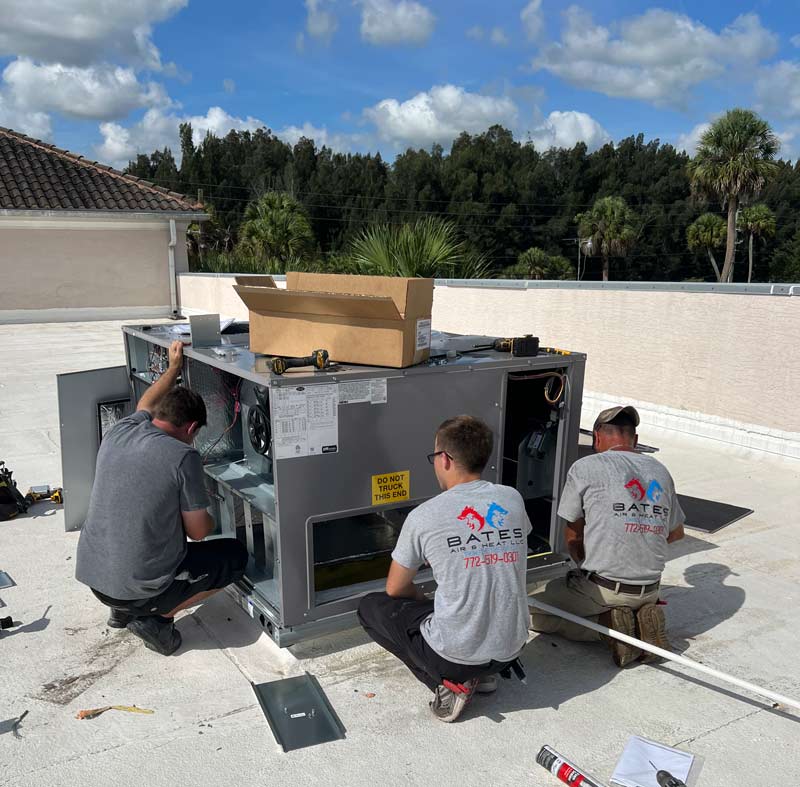
After you choose your system, we go over the details together and lock in a date. Our crew removes the old equipment, prepares the space, and installs the new air handler and outdoor unit, running fresh refrigerant lines and a properly sloped drain with an overflow safety switch. If the home needs new ductwork or a ductless setup, that work is planned around your household so disruption stays to a minimum.
We finish by vacuuming and charging the system, checking airflow room by room, and confirming the thermostat is set up the way you like it. Before we leave, we clean up, explain basic upkeep, and answer any questions. If something doesn’t feel right later, one call gets us back out.
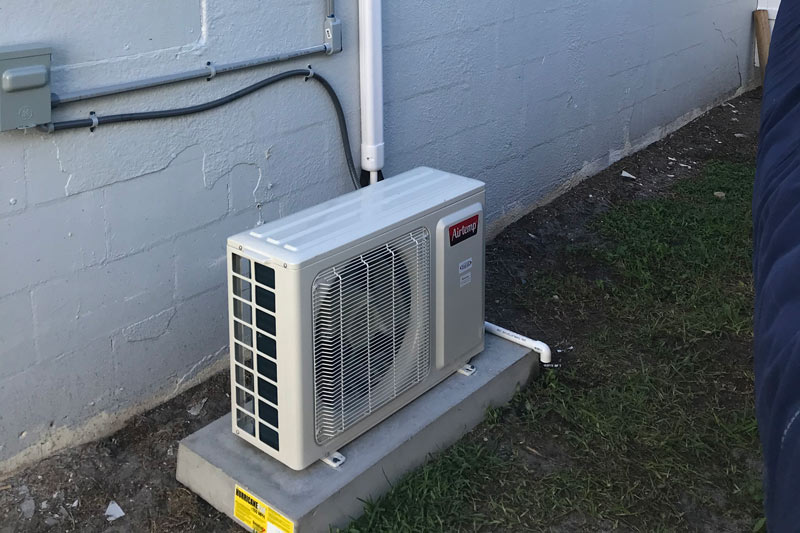
Some of the most rewarding installs we do are in Fort Pierce’s oldest homes. Edgartown, Lincoln Park, and the streets around the Downtown Historic District are full of frame bungalows, masonry cottages, and early 1900s homes built long before central air existed. Many still rely on window units, or on a patchwork system added decades ago with ducts squeezed into whatever space was available.
These homes bring their own challenges. Low attics, plaster walls, raised wood floors, and limited closet space make it hard to run standard ductwork without tearing into the character that makes the house special. Exterior changes in designated historic districts can also be subject to city review, so where the outdoor unit sits matters too. Older ranch homes across central Fort Pierce face a milder version of the same problem, with undersized ducts and electrical panels that weren’t built for modern equipment.
We start every retrofit with a careful walkthrough to map out where air can travel and where equipment can go. Depending on the home, that may mean running new ducts through the crawlspace under a raised floor, using a ductless system with discreet indoor heads, or installing a small-duct system that fits into tight spaces. We also check the electrical service and recommend upgrades if needed, then place the outdoor unit where it stays out of sight and easy to service.
So what keeps Fort Pierce homeowners calling us back? It comes down to how we treat people and how we do the work:
When you’re ready for a new system, we’re ready to make it easy. Call Bates Air and Heat to schedule your in-home estimate.

Yes. Depending on the layout, we may add new ductwork or recommend a ductless or small-duct system. We’ll walk you through the options after seeing the home.
Exterior changes in designated historic districts may require city review. We plan equipment placement with that in mind and can help you understand what to check before work begins.
Yes. Many condos use compact air handlers in tight closets, and units near the ocean benefit from corrosion protection. We match the equipment to your space and building requirements.
Most replacements take one day. Retrofits in homes without ductwork can take several days, and we’ll give you a clear timeline before we start.
Change filters regularly, keep the outdoor unit clear of plants and debris, and schedule routine maintenance. Our maintenance contracts make staying on top of it easy.
We use cookies to improve your experience on our site. By using our site, you consent to cookies.
Manage your cookie preferences below:
Essential cookies enable basic functions and are necessary for the proper function of the website.
You can find more information in our Cookie Policy and .