


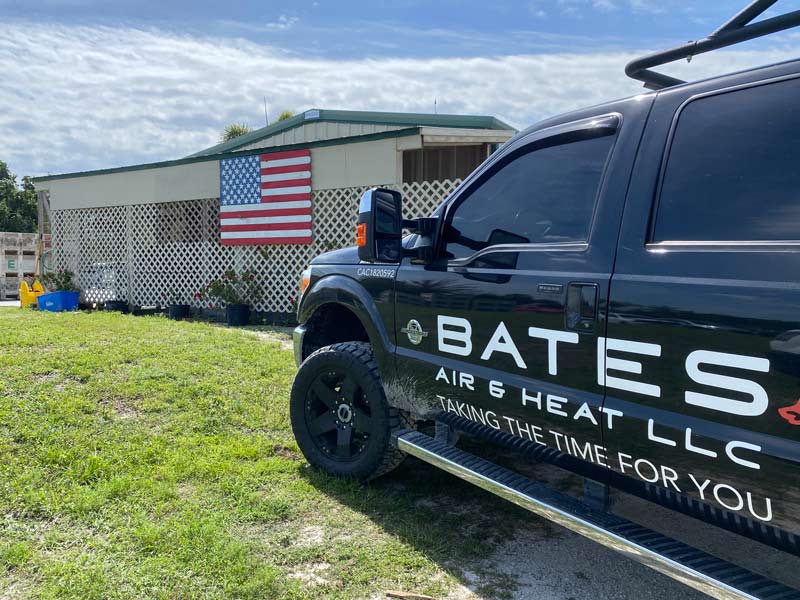
Taking the Time for You.

The name Florida Ridge comes from the low sandy dunes of the ancient Atlantic Coastal Ridge that run through this part of Indian River County, ground that was once covered edge to edge in citrus groves before the neighborhood grew up around them. That elevated, well-drained soil keeps yards dry after a storm, but it also means fewer low-lying trees and less windbreak, so cold fronts move through the area with less resistance than in more wooded parts of the county. Add in ranch-style homes built decades ago with original ductwork, and you have furnaces that see more strain than their age would suggest. Bates Air and Heat is a veteran-owned HVAC company built on honest diagnostics and repairs that hold up, whatever your furnace is dealing with.
Most furnace trouble shows up in small ways before it becomes a full breakdown.
Catching one of these early usually means a simple fix instead of an emergency call during the next cold snap.
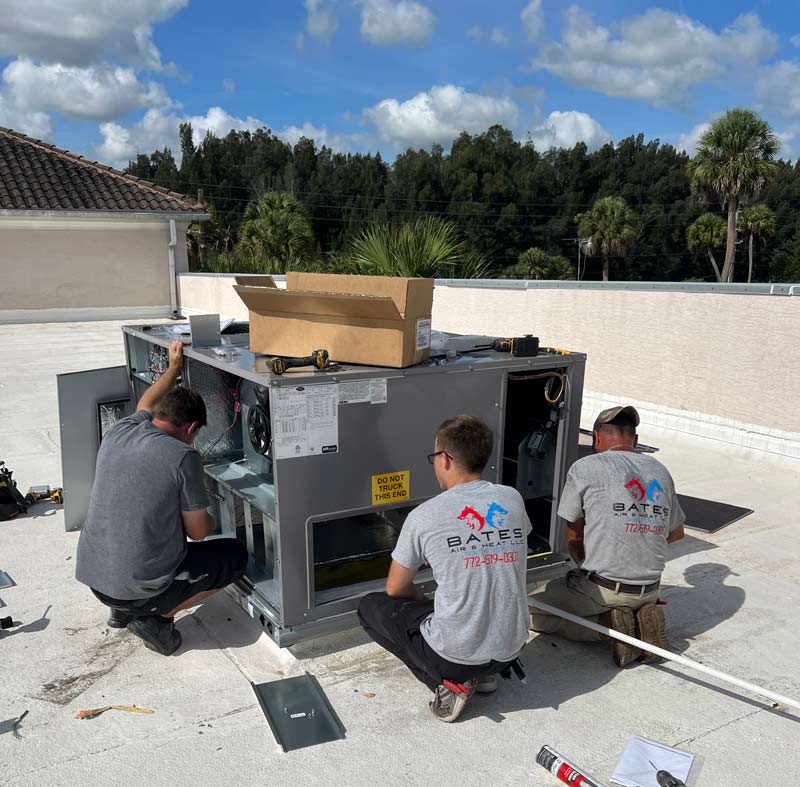
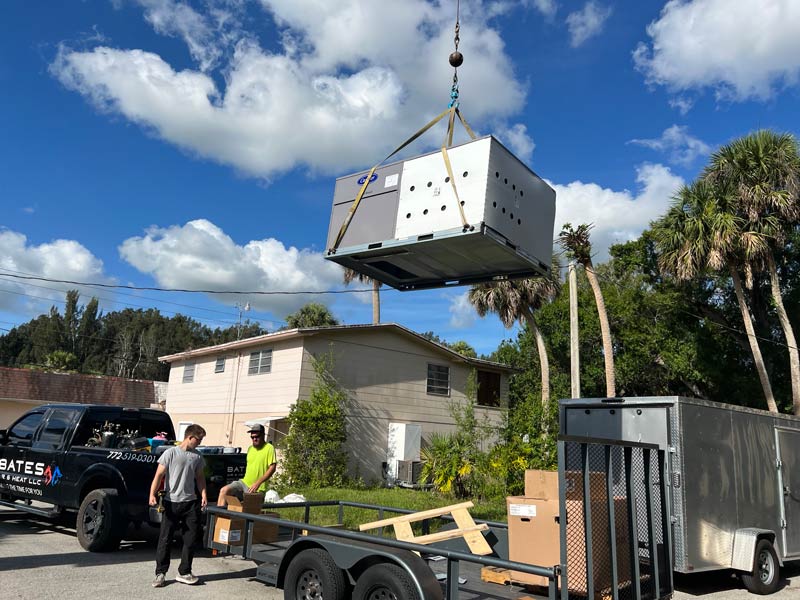
The sandy, well-drained soil that gives Florida Ridge its name also kicks up a fine, gritty dust that works its way into outdoor units and air returns more easily than in areas with heavier ground cover. Combined with the open, low-tree-cover lots common on former grove land, furnaces here often pull in more debris than the filter is built to catch, which puts extra strain on the blower motor and heat exchanger.
Many homes in the area date back to the ranch-style building boom of the 1970s through 1990s, and original ductwork in those attics has usually seen better days. Insulation gaps, cracked seals, and aging thermostats are common finds, along with pilot and ignition components that wear out faster after years of Florida’s heat and humidity cycling through the system.
Every service call starts with a conversation, not a toolbox. Our technicians ask what you’ve noticed, check the thermostat settings, and walk the ductwork before opening up the unit itself. That upfront diagnostic work is what separates an accurate repair from a guessing game that costs you more down the line.
From there, we explain exactly what’s wrong and what it takes to fix it, in terms that make sense without an HVAC background. Most furnace repairs are wrapped up in one visit, and we stand behind the parts and labor because a job that doesn’t hold up isn’t the kind of work we put our name on.
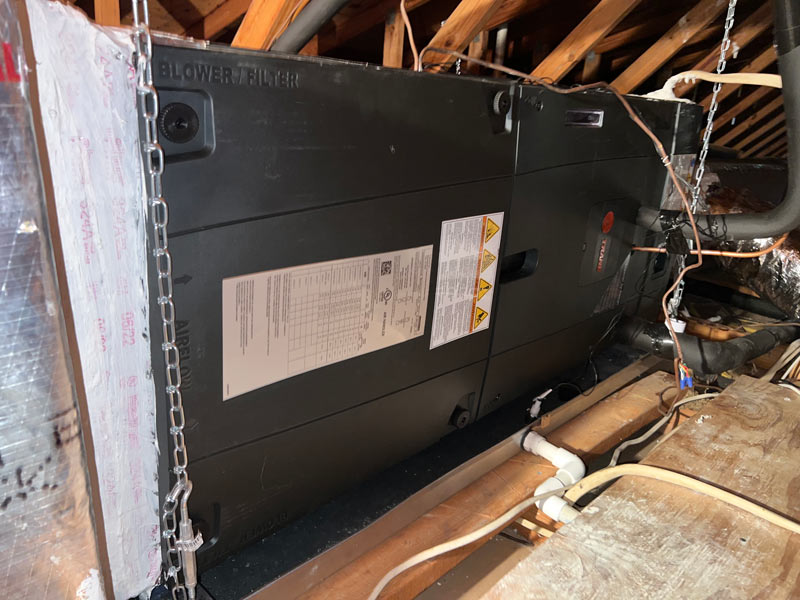
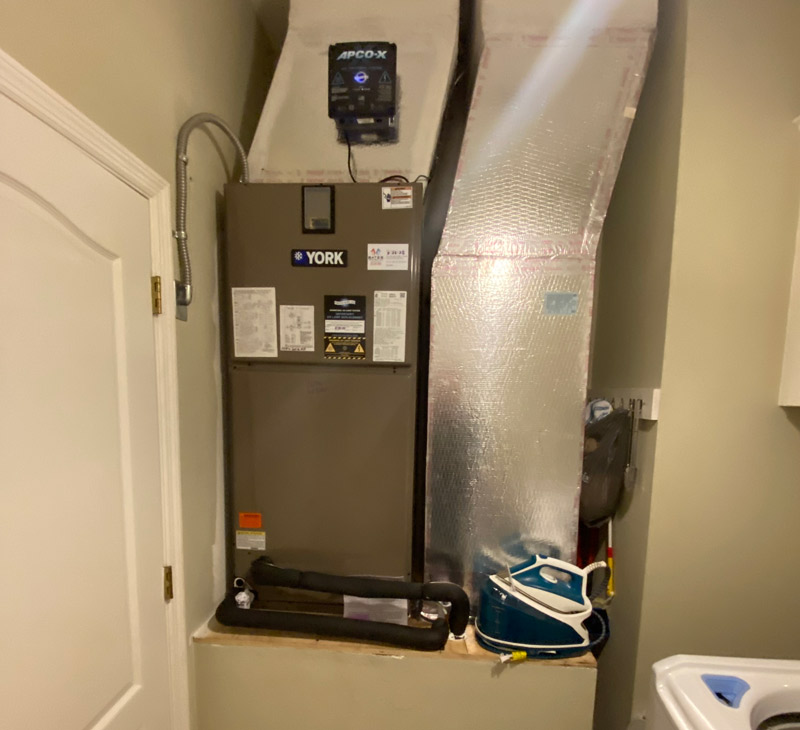
A homeowner in Florida Ridge named Renee reached out after noticing her furnace kept shutting off every few minutes without ever fully warming the house. She’d already changed the batteries in the thermostat and wasn’t sure what else to try. When our technician arrived, a quick inspection showed the return air filter was packed with the fine sandy dust that’s common in the area, restricting airflow enough to trip the system’s safety shutoff.
After swapping the filter and cleaning out the blower compartment, the furnace ran a full cycle without a hitch. Renee asked about keeping this from happening again, so our technician recommended a shorter filter change schedule given how much dust blows through the open, low-tree lots nearby.
Families throughout Florida Ridge keep calling us back for a few clear reasons.
When your furnace needs attention, that track record is what makes the decision easy.

We prioritize no-heat calls and aim to get a technician out the same day whenever possible.
Yes. Fine dust from the open, sandy lots common in the area can clog filters and airflow faster than in more shaded neighborhoods.
Older ductwork can develop leaks or insulation gaps over time, so it’s worth having it inspected along with the furnace itself.
Short cycling is often tied to restricted airflow, a dirty filter, or a component overheating, and a technician can pinpoint the exact cause.
A yearly inspection before the cooler season helps catch small problems early and keeps the system running efficiently.