8 Essential Air Conditioner Maintenance Tips for Summer
Keeping your air conditioner in top shape as summer approaches becomes important to ensure a comfortable indoor environment. You’ll find that following these 8 key maintenance tips can make a significant difference in your AC’s performance and longevity. Each step plays an essential role, from cleaning or replacing filters to inspecting the thermostat and checking electrical components. But that’s just the beginning. Ever wondered about the impact of clean coils or a clear drain line? There’s more to uncover about keeping your AC running efficiently during the hottest months. Curious about the details? Let’s delve further.
Key Takeaways
- Clean or replace AC filters monthly to ensure efficient operation and reduce energy consumption.
- Inspect and clean the thermostat for accurate temperature readings and optimal performance.
- Regularly check and maintain electrical components to prevent operational issues and ensure safety.
- Clean condenser coils and ensure they are dry before restoring power for efficient cooling.
- Clear and maintain the drain line to prevent clogs and avoid potential water damage.
Clean or Replace Filters
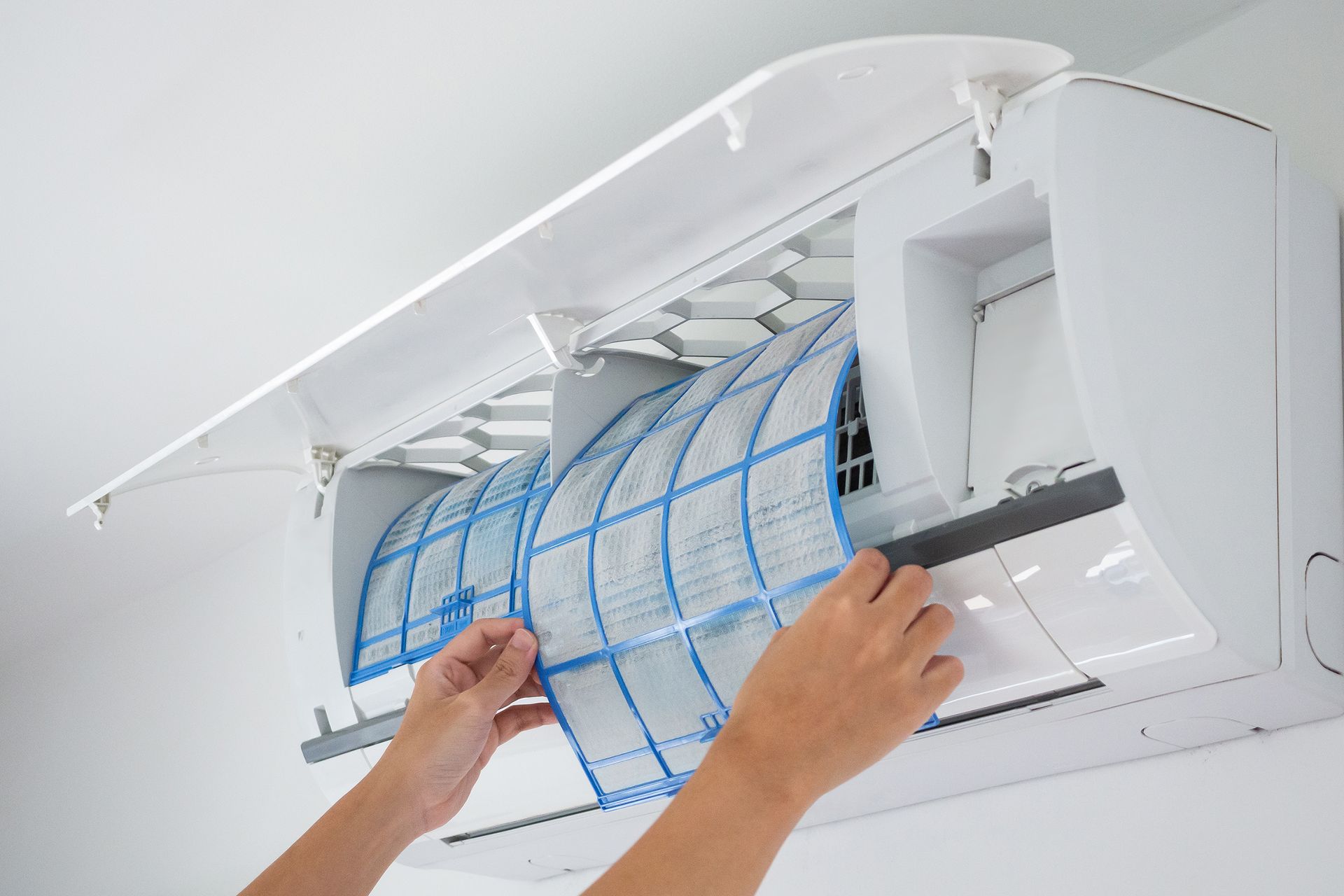
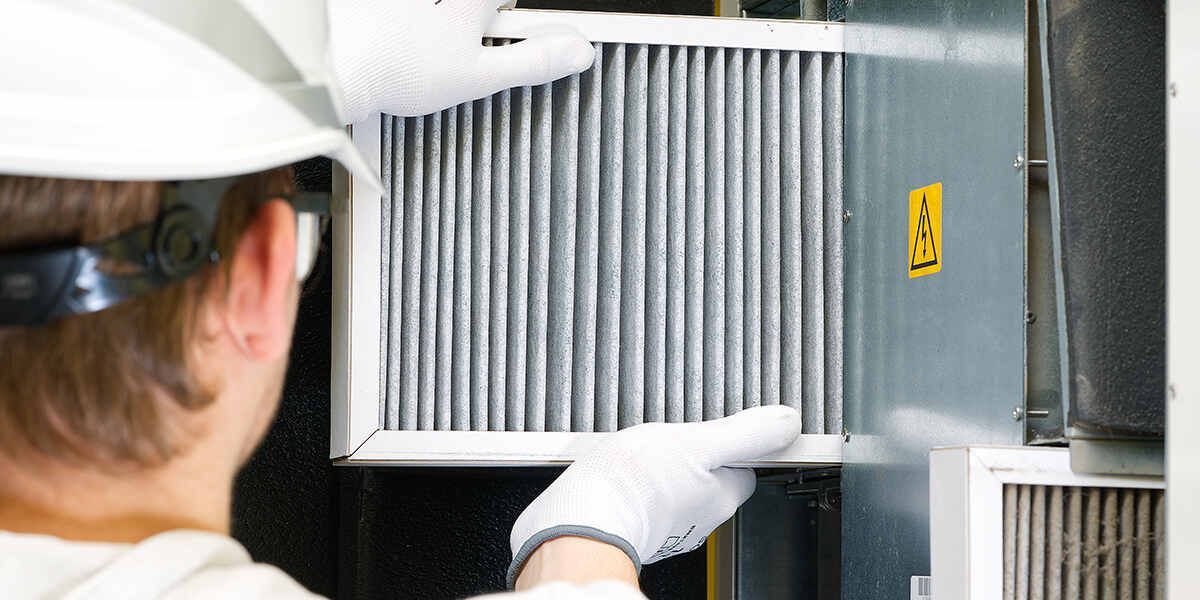
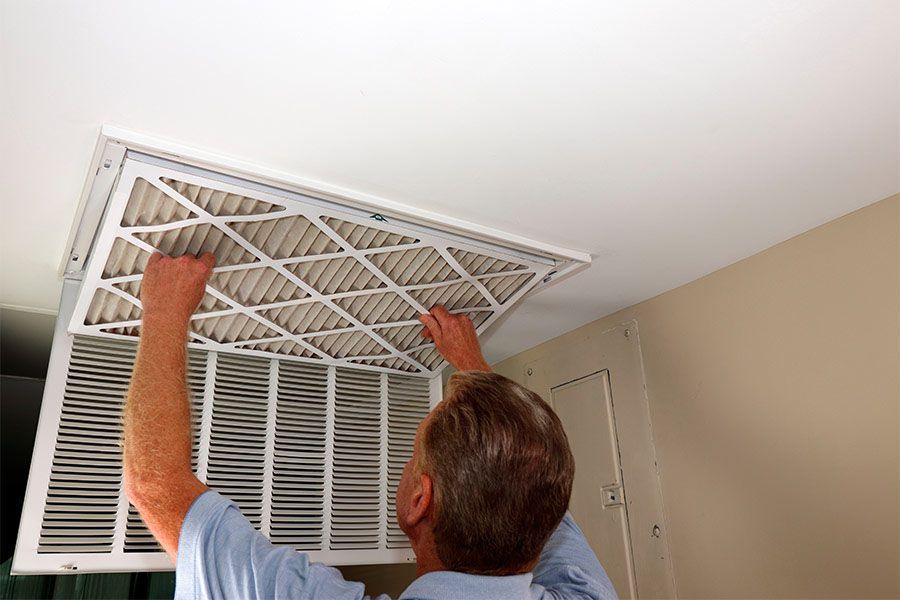
One of the most crucial steps in maintaining your air conditioner is cleaning or replacing its filters regularly. Filters trap dust, dirt, and other particles, preventing them from clogging the system and degrading air quality. Knowing the filter location is the first step; typically, you’ll find it in the return air duct, which is usually close to the thermostat or the air handler unit. Some units might have multiple filters, so be thorough in your inspection.
There are various filter types, each suited to different needs and budgets. Disposable fiberglass filters are the most basic and affordable but require frequent replacement. Pleated filters, often polyester or cotton, offer better filtration and last longer. High-efficiency particulate air (HEPA) filters provide superior filtration, removing up to 99.97% of particles, but they can be more expensive and might only fit some systems.
Check your filter monthly and replace it at least every three months or more frequently if you have pets or allergies. Keeping your filters clean ensures your air conditioner runs efficiently, reduces energy consumption, and extends the system’s lifespan.
Inspect the Thermostat
Regularly checking the thermostat guarantees that your air conditioner maintains the desired temperature efficiently. Begin by confirming that the thermostat is correctly placed; it should be in a central location away from direct sunlight, drafts, and heat-producing appliances, which can affect its accuracy. If the thermostat is not properly positioned, it may cause the air conditioner to cycle on and off unnecessarily, leading to inconsistent temperatures and higher energy bills.
Perform calibration checks to verify that the thermostat accurately reflects the room’s temperature. You can compare the thermostat reading with a reliable room thermometer. If there’s a significant discrepancy, recalibrate the thermostat according to the manufacturer’s instructions or replace it if recalibration doesn’t resolve the issue.
Additionally, inspect the thermostat’s internal components, especially if it’s an older model. Dust and debris can accumulate inside, potentially affecting its performance. Carefully clean the interior using a soft brush or compressed air. For smart thermostats, ensure that the software is up to date, as manufacturers often release updates that improve functionality and efficiency.
Check Electrical Components
After verifying your thermostat’s accuracy, inspect the electrical components to ensure your air conditioner runs smoothly. Begin by turning off the power to your unit at the breaker panel. Once the unit is safely powered down, inspect the wiring for any signs of wear, such as frayed or corroded wires. Damaged wiring can lead to inefficient operation or even hazardous electrical issues, so it’s important to address any problems immediately.
Next, you should test capacitors, vital for starting the motor and ensuring the air conditioner’s efficient operation. Use a multimeter to check the capacitance levels; if the readings are outside the manufacturer’s specified range, it’s time to replace the capacitor. Faulty capacitors can cause your unit to struggle when starting up or even fail to start altogether, impacting its overall performance.
Additionally, the contractor, which controls the flow of electricity to the compressor and fan, must be examined. Look for pitting or other signs of wear on the contact points, as these could hinder the electrical flow, leading to operational issues. Regularly checking these electrical components will help maintain your air conditioner’s efficiency and extend its lifespan.
Clean the Coils
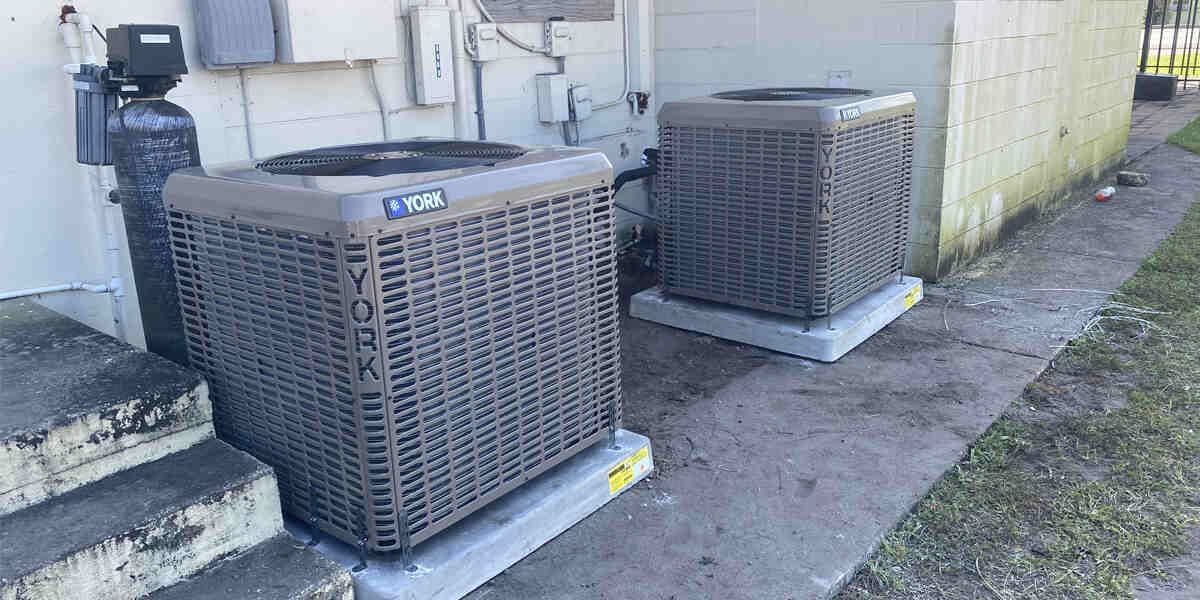
Cleaning the coils is vital for maintaining your air conditioner’s efficiency and guaranteeing it cools your home effectively. The coils, particularly condenser ones, play a critical role in the heat exchange process. Over time, these coils accumulate dirt and debris, which can greatly impede their performance.
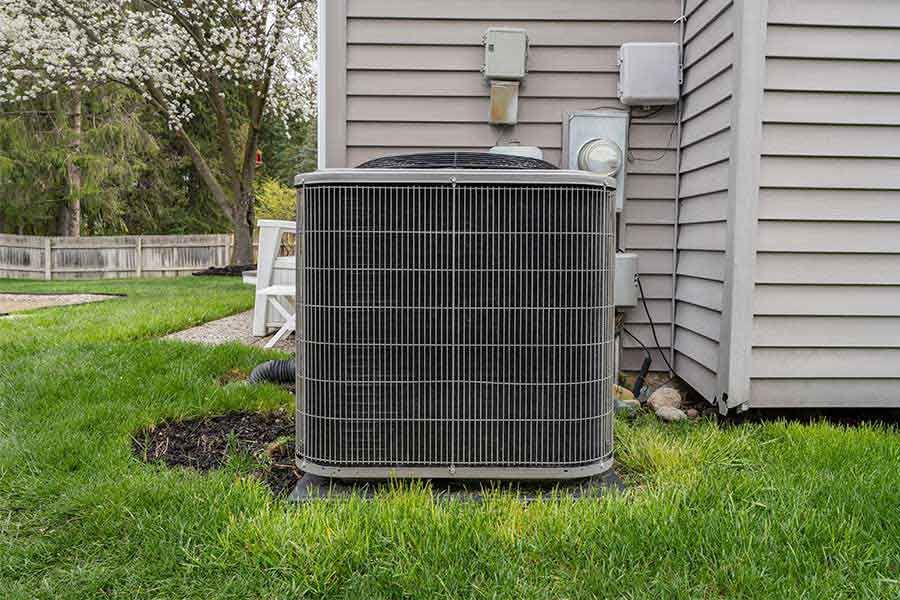
To begin with coil cleaning, you’ll need to ensure that the unit's power is turned off for safety. Locate the condenser coils, typically found on the exterior unit. Remove any large debris, such as leaves or twigs, by hand. Next, use a coil cleaner spray, available at most hardware stores, to dissolve the dirt and grime. Apply the cleaner generously and let it sit for the recommended time specified on the product label.
After allowing the cleaner to work, use a gentle stream of water from a garden hose to rinse the coils thoroughly. Be careful not to use too much pressure, as this can damage the delicate fins of the condenser coils. Once cleaned, let the coils dry completely before restoring power to the unit. Regular coil cleaning can prevent energy waste and prolong the lifespan of your air conditioner, ensuring it runs smoothly during the hot summer months.
Clear the Drain Line
To prevent water damage and maintain your air conditioner’s efficiency, it’s important to clear the drain line regularly. Over time, the drain line can become clogged with dirt, algae buildup, and other debris, leading to potential water damage and reduced cooling efficiency. Addressing this issue is vital for top performance.
First, locate the drain line, which usually runs from the indoor air handler to the outside of your home. Once found, follow these steps to maintain a clear drain:
- Use a wet/dry vacuum: Attach it to the end of the drain line to suck out any clogs.
- Apply a vinegar solution: Pour a mixture of vinegar and water into the drain line to break down algae buildup.
- Inspect for blockages: Check the line for any visible obstructions and remove them manually if necessary.
Regularly clearing your air conditioner’s drain line helps maintain efficiency and prevents potential water damage. If left unchecked, clogged drains can cause water to back into your home, resulting in costly repairs. These preventative measures ensure a smoothly running air conditioning system, ready to keep you cool throughout the summer.
Examine the Ductwork
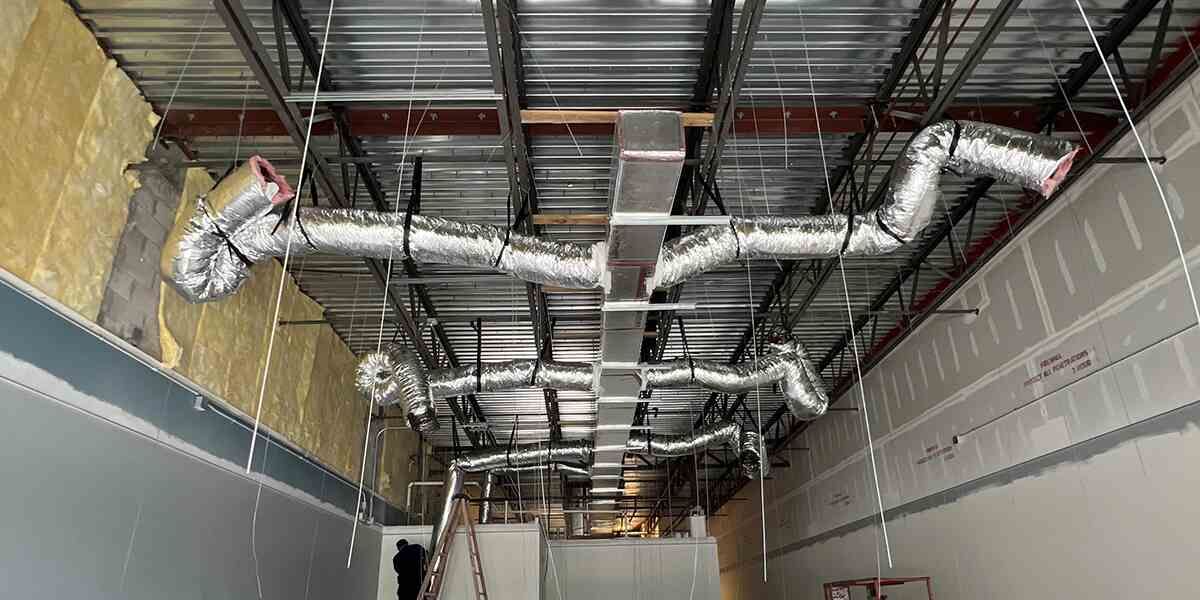
Guaranteeing your ductwork is in top-notch condition is crucial for peak air conditioner performance and home comfort. Start by inspecting all accessible ducts for signs of wear or damage. Look for visible cracks, holes, or disconnections that could compromise airflow integrity. Any breaches in the ductwork can lead to inefficient cooling and increased energy consumption.
Next, pay attention to the duct insulation. Proper insulation helps maintain the desired temperature of the air traveling through the ducts, enhancing the system’s efficiency. If you notice areas where the insulation is worn or missing, consider replacing it to prevent energy loss. Insulation improves cooling performance and reduces the strain on your air conditioner.
You should also check for obstructions within the ducts. Debris, dust, and other blockages can restrict airflow, reducing the system’s overall efficiency. Use a flashlight to peer into the ducts and remove any noticeable obstructions. Professional duct cleaning may sometimes be necessary to ensure peak airflow integrity.
Lastly, ensure that all duct connections are securely fastened. Loose connections can lead to air leaks, undermining your air conditioner's performance. Tightening these connections will help maintain consistent airflow and improve your system’s efficiency.
Inspect the Fan and Blades
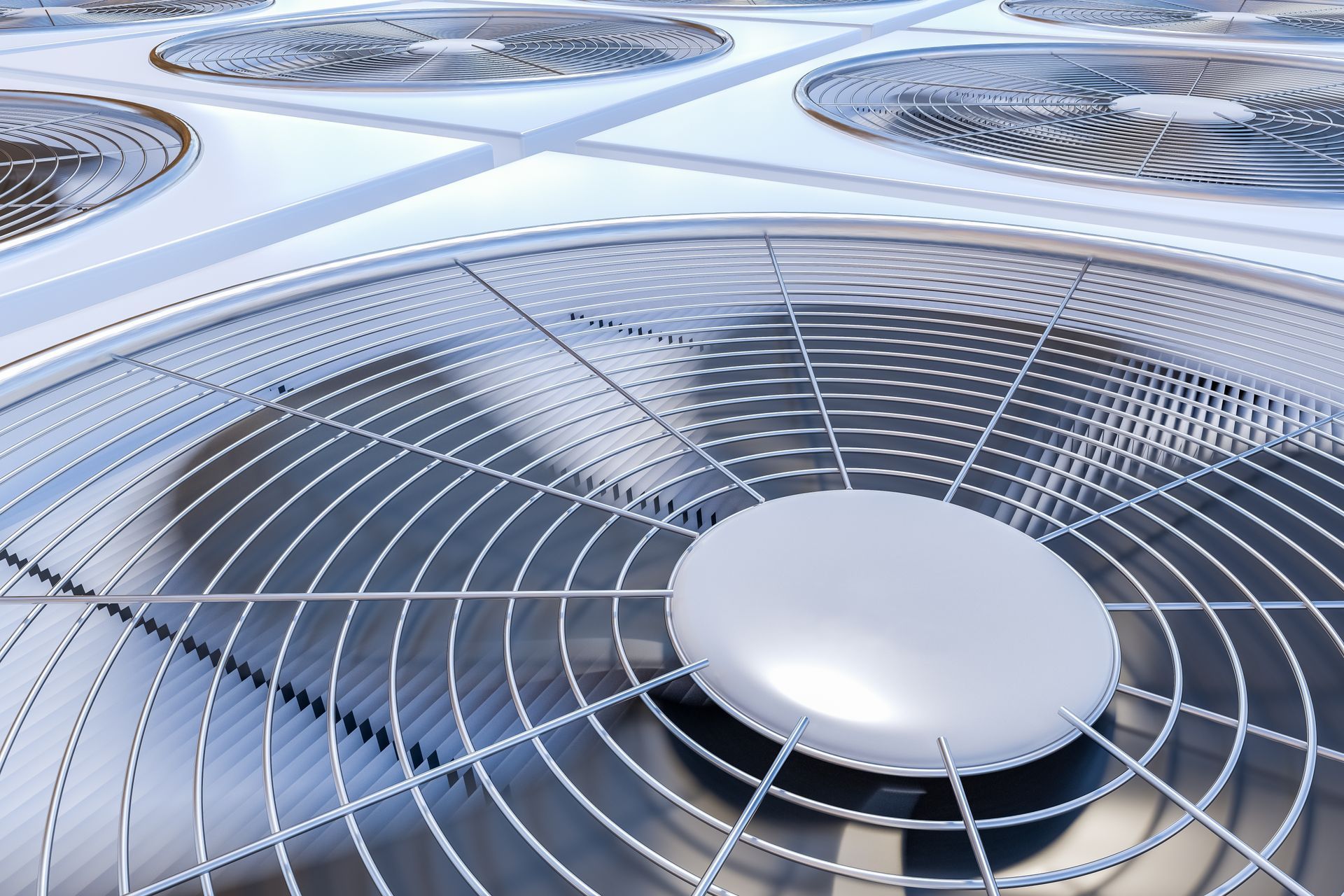
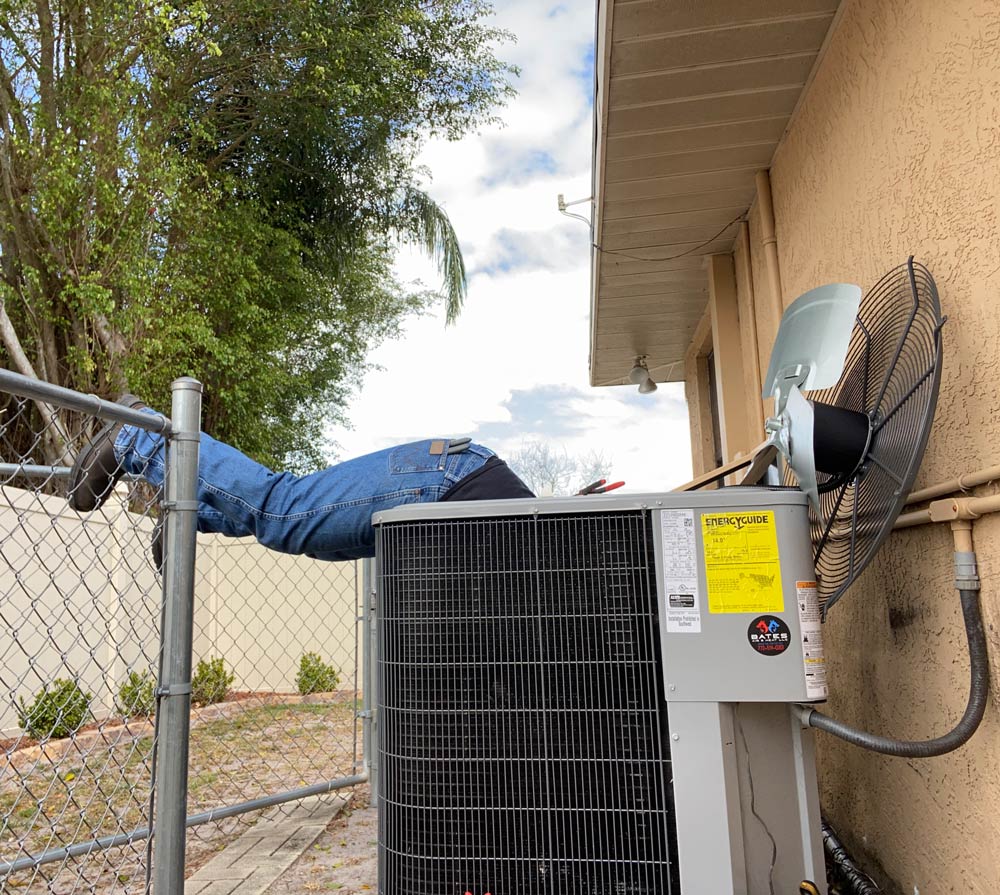
After checking your ductwork, it’s important to inspect the fan and blades to guarantee efficient airflow and cooling. Begin by turning off the power to your air conditioner to ensure safety. Examine the fan blades for any signs of damage or debris that could obstruct their movement. Ensuring proper fan alignment is critical, as a misaligned fan can lead to reduced efficiency and increased wear on the system.
Next, gently clean the blades using a soft cloth and mild detergent, careful not to bend or damage them. Proper blade lubrication is also crucial for maintaining smooth operation. Lubricate the fan motor bearings if your unit requires it, following the manufacturer’s guidelines. This step reduces friction, allowing the fan to spin more freely and efficiently.
By taking these actions, you can prevent common issues that lead to system inefficiency, such as:
- Reduced airflow, causing your home to take longer to cool.
- Increased energy consumption, leading to higher utility bills.
- Potential mechanical failure, resulting in costly repairs.
Regular inspections and maintenance of the fan and blades are key to ensuring your air conditioner runs efficiently throughout the summer.
Schedule Professional Maintenance
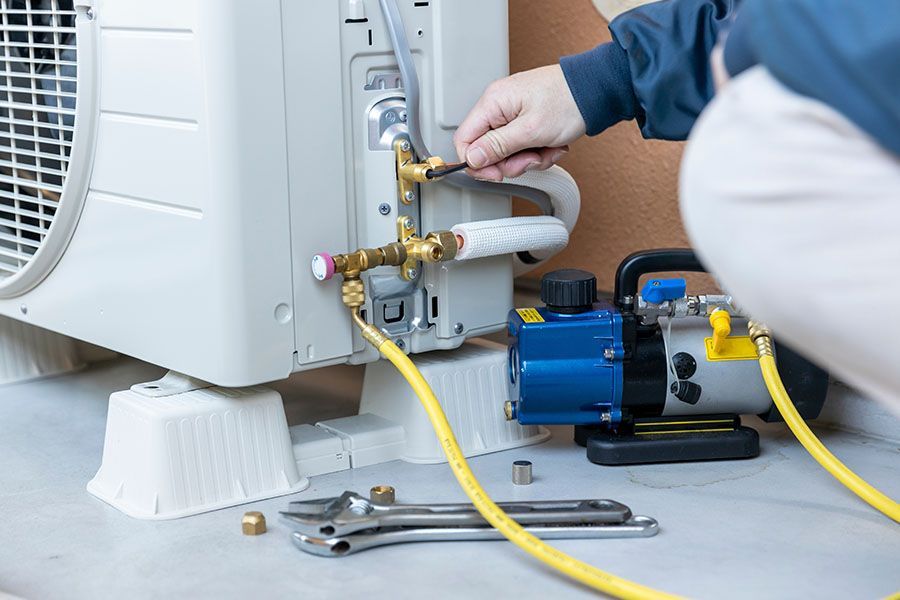
Regular professional maintenance improves your air conditioner’s performance and longevity. By scheduling a visit from a qualified technician, you can guarantee that your unit operates efficiently throughout the summer. Technicians possess the expertise to spot potential issues before they become costly problems, such as low refrigerant levels or worn-out components.
During a professional maintenance check, the technician will assess various aspects of your air conditioner. They will measure refrigerant levels to ensure they are within the manufacturer’s specified range, as incorrect levels can lead to reduced cooling efficiency or even damage to the compressor. Furthermore, they’ll inspect and clean the evaporator and condenser coils, which can accumulate dirt and debris over time, impairing the unit’s performance.
The technician’s expertise extends to checking electrical connections and tightening loose fittings, which helps prevent electrical faults that could lead to system failures. They will also lubricate moving parts to reduce friction and wear, ensuring smoother operation. In addition, a professional can calibrate the thermostat for accurate temperature control, enhancing comfort and energy efficiency.
The Bottom Line
Following these 8 crucial maintenance tips guarantees your air conditioner runs efficiently and reliably all summer long. Don’t think it’s too much work; these tasks are straightforward and can save you from costly repairs later. Regular upkeep, like cleaning filters and inspecting components, not only extends the lifespan of your unit but also keeps your home cool and comfortable. For top performance, don’t forget to schedule professional maintenance as well.
Frequently Asked Questions