Should I Cover My AC in the Winter?
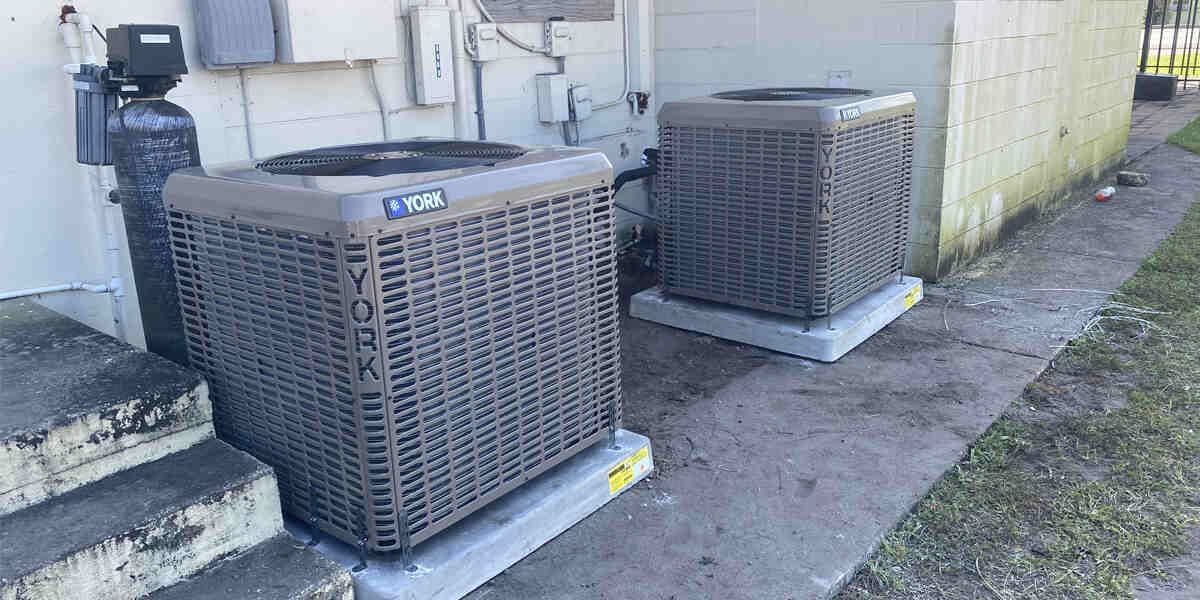
Many people ask, "Should I cover my AC in winter?" Before placing an AC cover, check with your local HVAC technician to determine if this is the best option. In most cases, you do not need a cover to ensure your AC unit withstands the winter months.
Bates Air & Heat LLC is Vero Beach's trusted heating and air conditioning company. We can help keep your furnace and AC unit in good working order and prolong your HVAC system's lifespan. In this article, we discuss whether homeowners can benefit from covering their AC units in the winter.
Should You Cover Your AC When It Gets Cold Outside?
Many homeowners worry about their outdoor AC units during cold weather conditions. Air conditioners have little to no use in the colder months. In the winter, people cover their unused vehicles or patio furniture, so would it not be possible to protect the air conditioner with a cover?
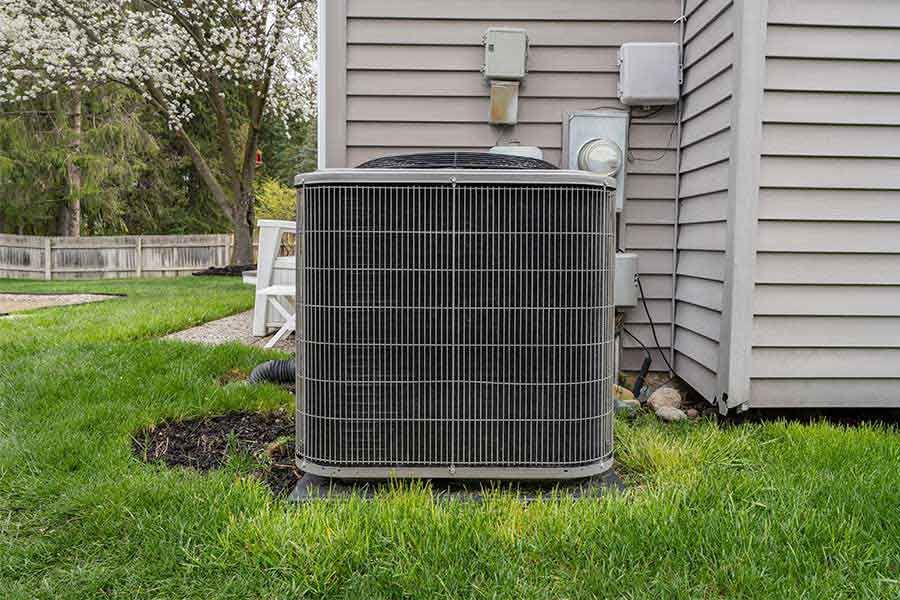
Even though your AC equipment remains mostly unused during the winter, an AC cover is not required. An air conditioner can easily handle severe weather conditions such as heavy snowstorms, rainfall, and winds. Most air conditioning systems undergo testing from the manufacturer to withstand freezing temperatures.
Reasons Why You Don't Need an AC Cover
Many manufacturers recommend not placing a cover over an AC unit in winter. Let's look at some of the drawbacks of using an AC cover.
1. ACs Can Withstand Cold Weather
Many homeowners cover their AC units to protect them from snow, ice, moisture, etc. However, AC units consist of weather-resistant materials, and because moisture and dirt are impossible to keep out, a cover may be a waste of money. Using a cover may be advantageous if your AC unit is an older and less sophisticated model.
2. Moisture Accumulation Can Lead to Rust
Most AC covers do not provide proper ventilation, resulting in an accumulation of moisture. An AC unit is more prone to corrosion and rust with moisture. When rust forms between moving parts, it can cause unwanted friction and lead to expensive repairs.
Moisture in AC components can also result in some parts freezing solid, which could cause serious damage. Even though mesh AC covers allow for better air circulation and moisture removal, leaving the AC unit in its natural state is still preferable.
3. Mold Growth on Condenser Coils
Despite being less hazardous than mold on indoor air handlers, outdoor mold and mildew can prevent your AC from operating efficiently. Mold can grow inside covered AC units from excessive moisture build-up. Your AC system can suddenly stop operating due to mold on the condenser coil.
4. Attracts Pests and Rodents
Small rodents looking for shelter during the cold winter may find their way inside covered AC units. A cover traps enough heat to keep animals warm. Small rodents such as squirrels and mice can chew through your AC unit's wires, foam, and other materials.
Depending on the severity of the infestation, an HVAC technician may need to perform extensive repairs to rectify the issues. If severe damage occurs, your AC system may need a complete replacement.
When Should You Use an AC Cover
An AC unit can withstand rain and snow damage but cannot keep out leaves, twigs, and seeds.
Should I cover my AC in winter? We recommend buying an AC cover in the fall season if you live in an area where your unit is around trees.
Sometimes leaves can enter your AC unit and create a moisture collection point, which could lead to corrosion. An accumulation of leaves and debris can also block and obstruct your AC's drainage system. An AC cover can protect against accidental damage if trees or debris fall due to winds or extreme weather conditions.
Where Can I Buy an AC Cover?
A wide selection of AC covers is available online (Amazon) or at home improvement stores such as Home Depot. The cost of AC covers ranges from $30 to $100. Instead of buying a cover, you can also put a piece of plywood on top of your AC unit.
How to Cover the AC Unit
Make sure the AC cover stays on top of your air conditioner. The cover should only come down by six inches on the sides of the unit. Avoid covering the AC unit completely, as doing so can lead to excess moisture.
If you need help choosing and placing an AC cover, we can look at your unit to find the best way to protect your system.
What to Do with Window Air Conditioners in the Winter
When the weather turns cold, you should store your window air conditioner indoors. Aside from the possibility of ice collecting on the coils, window units can also allow cold air to enter the house. To prevent dust and dirt from accumulating in the unit over the winter, store your window air conditioner in its original box or an appropriate-sized box.
Now that you better understand the effects winter can have on your AC unit, you are well prepared to handle any situations that may arise. Remember that an AC cover is not mandatory or required to protect your HVAC system. However, if you do use an AC cover, it's important to remember to take it off before turning the air conditioner on.
Give Bates Air & Heat a Call Today
At Bates Air & Heat, we know our customers have a lot of questions regarding their air conditioning systems, especially as the winter season approaches. If you have more questions than, "Should I cover my AC in winter?" we are happy to help!
Bates Air & Heat LLC is a veteran-owned company with 24-hour emergency service. We can perform expert AC tune-ups, repairs, and installations. Get in touch with us if your AC is not blowing cold air.
Contact Bates Air & Heat LLC in Vero Beach today at
(772) 773-6926 for more information or to schedule an HVAC service.