A Day on the Job: Low Refrigerant Causing Cold Zones
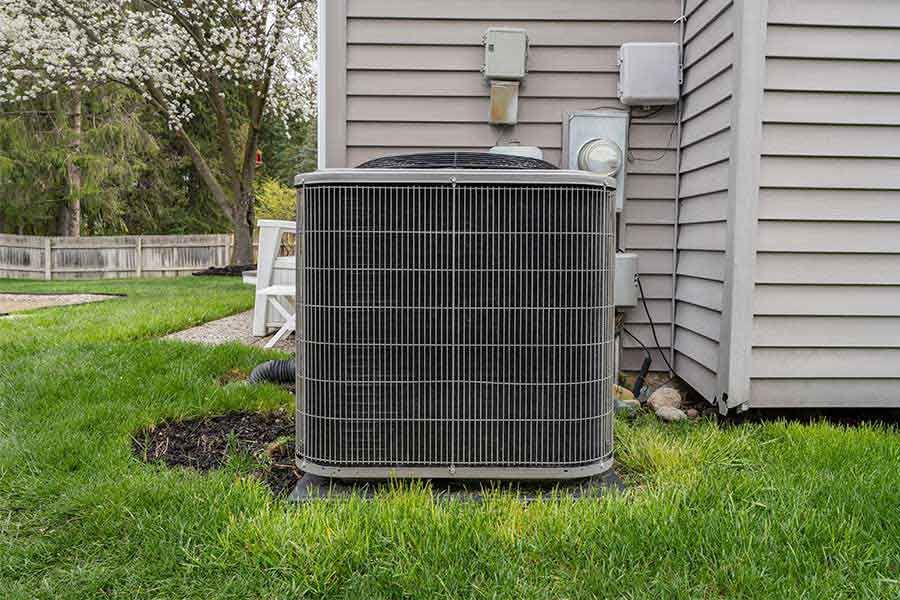
Jerry called us last week with that confusing problem nobody wants to deal with. Half his Fort Pierce house was freezing, the other half was comfortable. One heating unit decided to take an early vacation while the other one kept chugging along.
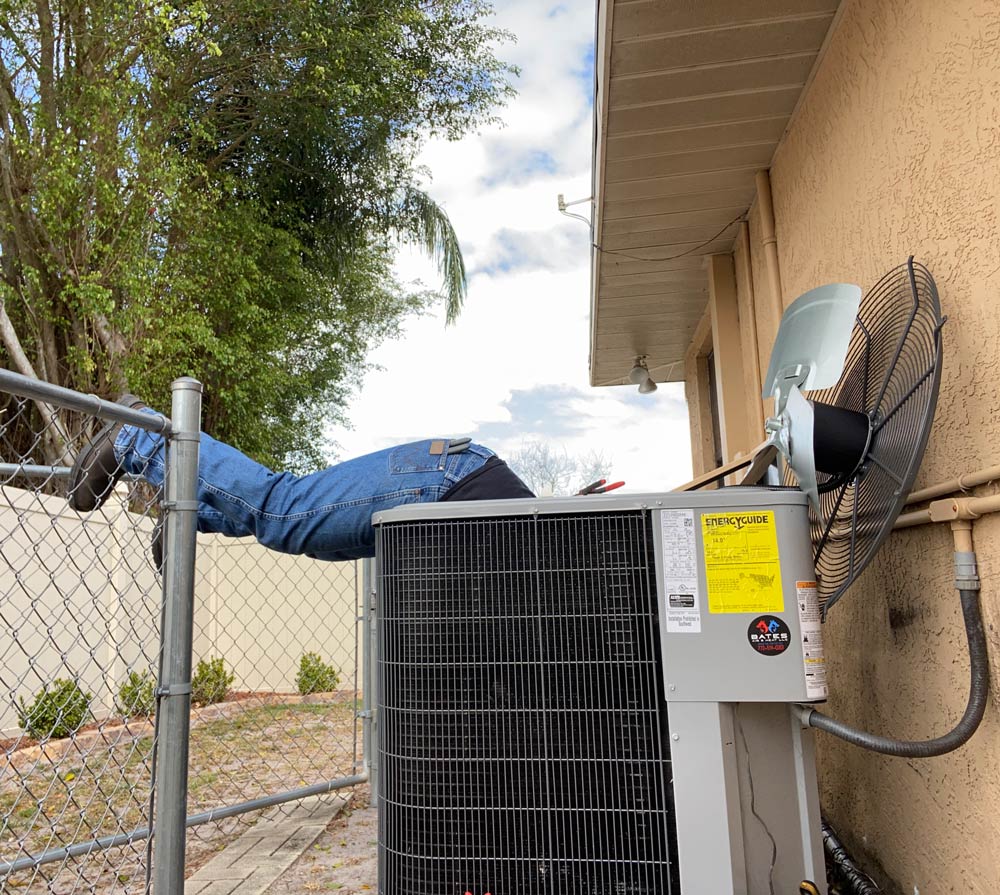
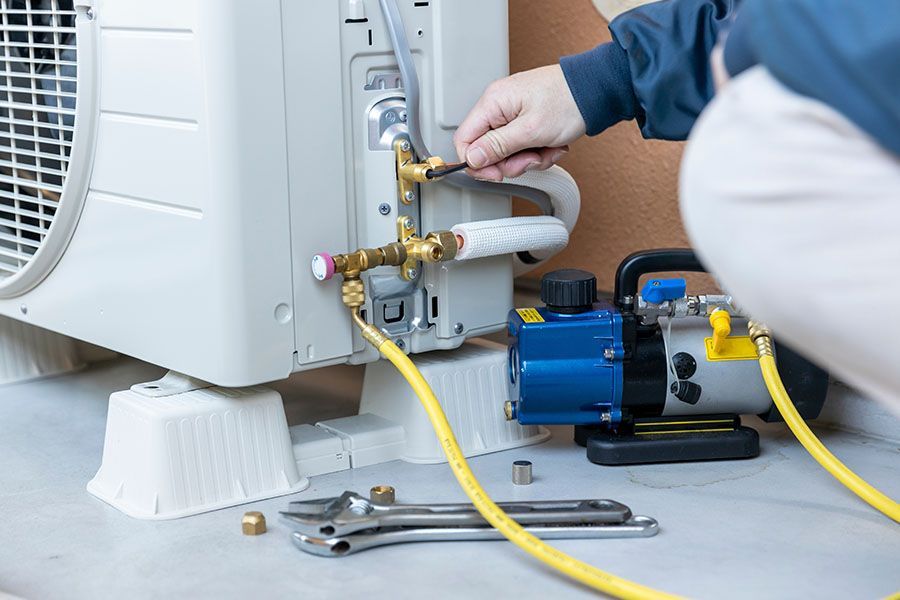
Our tech, Matt, headed out there expecting the usual suspects. Maybe a thermostat acting weird, maybe something tripped a breaker. But when he got into the unit that wasn't heating, he found something homeowners almost never think about until it stops working.
The system was
low on refrigerant.
Wait, Doesn't Refrigerant Just Cool Things Down?
Here's what throws people off. Yes, refrigerant is what makes your air conditioner cold in summer. But that same stuff is what makes heat pumps work in winter too. It basically runs in reverse to pull heat from outside air and pump it into your house.
Sounds weird, I know. How do you pull heat from cold air? But it actually works down to pretty low temperatures. Florida winters are perfect for heat pumps.
When refrigerant levels drop, the whole system loses its ability to transfer heat efficiently. In Jerry's case, one unit was limping along with low refrigerant while the other was running fine. Hence the tale of two houses.
Why Refrigerant Levels Drop
Your heating and cooling system is supposed to be a closed loop. The refrigerant cycles through over and over for years. You shouldn't need to add more unless there's a leak somewhere.
Small leaks happen. Vibration over time, a fitting that wasn't quite tight enough from the factory, corrosion on the copper lines. Sometimes it's obvious where it's leaking, sometimes you need special tools to find it.
Matt topped off the R410A refrigerant to get Jerry's system running again and did a full tune-up on both units while he was there. Better to catch small problems now than deal with a total breakdown during the next cold snap.
The Half House Problem
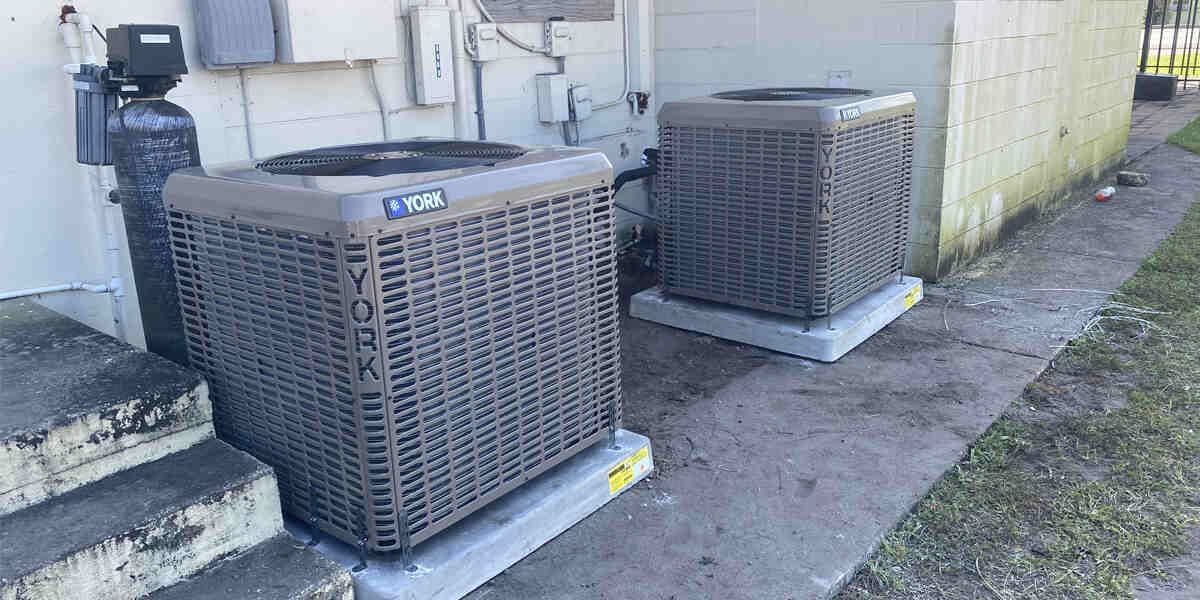
If you've got a two-story home or a bigger place with multiple units, you've probably experienced this. One zone is perfect, another is uncomfortable. It's frustrating because you know the system can work, it's just not working everywhere.
Different units age differently depending on how hard they work. If one covers the sunny side of your house or runs more hours because that zone is bigger, it's going to wear out faster. Sometimes one unit got installed a few years before the other. Sometimes one just gets unlucky.
The point is, don't ignore it when one zone stops keeping up. That struggling unit is trying to tell you something.
What You Should Actually Do
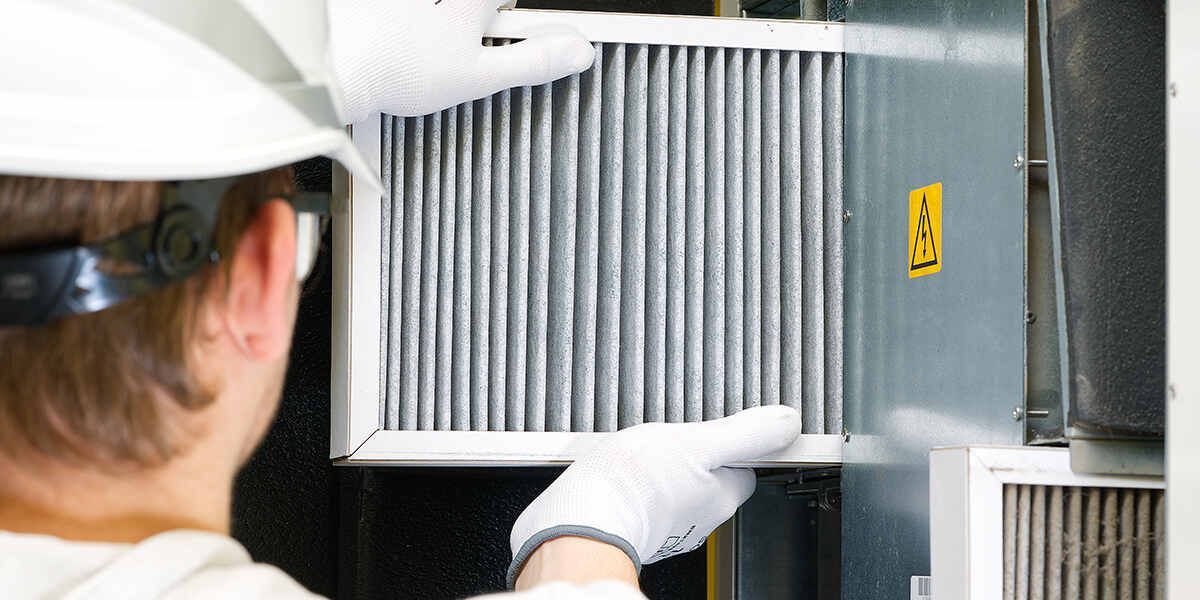
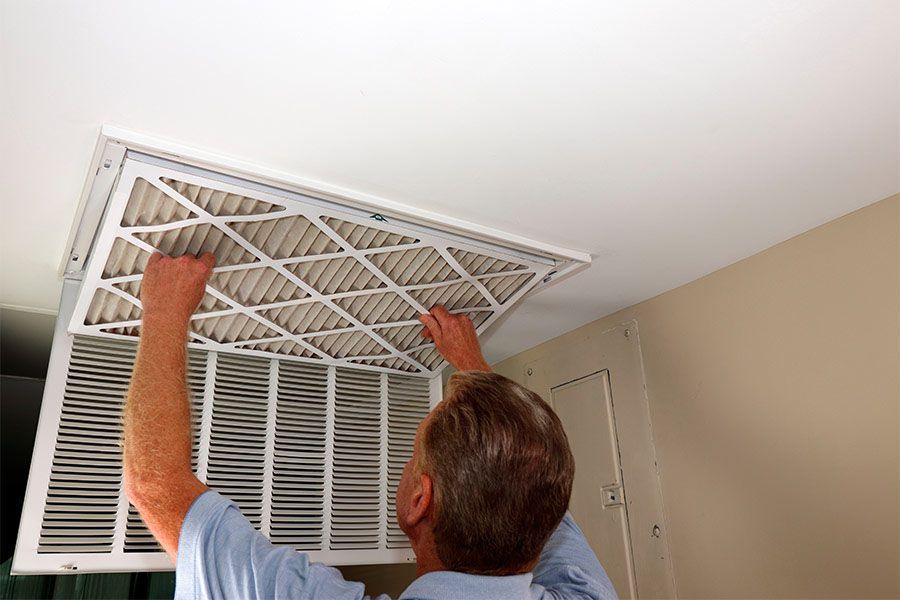
If half your house isn't heating or cooling right, check the simple stuff first. Make sure the thermostat is set correctly and has good batteries. Check that no vents are blocked. Look at your breaker panel.
But if those aren't the issue, you're probably looking at something mechanical. Low refrigerant, a failing part, something that needs a professional to diagnose properly in a
heat pump repair visit.
Getting a tune-up on both systems when you're having work done on one just makes sense. You've already got someone out there with their tools. Might as well make sure everything's running efficiently before the next weather extreme hits.
Jerry's house is back to being comfortable in every room now. Both systems got checked out, refrigerant levels are where they should be, and he's not burning extra electricity trying to compensate for a struggling unit anymore.
Your house shouldn't feel like two different climates. If it does, something's off.