The Dangers of Mold in Air Ducts: A Brief Guide
Mold growth can happen just about anywhere small amounts of moisture are present. Unfortunately, this means mold can grow inside hard-to-reach areas like the vents that push cool air through the HVAC system in your home.
What’s even worse, homeowners don’t typically clean vents and registers, so when there’s mold in air ducts, it can sit untouched and continue growing for months unattended.
If you suspect you have mold in your air ducts, it’s time to hire a professional team who can complete air duct cleaning in Vero Beach, FL, to get rid of mold and prevent damage to your ventilation system.
In the meantime, continue reading about the dangers of hidden mold, how to spot mold growth in your vents, and what professionals can do to keep mold out of your home so you maintain good indoor air quality.
Signs You May Have Mold in Your Air Ducts
There are plenty of signs your home’s air ducts may have mold problems. Some of these signs are easy to spot, while others are less obvious. The following are a few things to look out for that may indicate your home’s air ducts need mold inspections:
- Musty smells or rotten odors coming from vents
- Mold spores that appear as black spots near vent registers
- Increased allergy or asthma symptoms
- Persistent nausea and fatigue
- Dizziness and respiratory difficulties
- Excess moisture or water near drip pans
Any of these signs may indicate the presence of mold in your air vents. If you or a family member notices any of these signs, it’s best to enlist the help of HVAC professionals who can inspect your system thoroughly to prevent further mold growth.
How Does Mold Form in HVAC Systems?
Mold needs high enough moisture levels to take root and thrive. Typically, such moisture makes its way into HVAC systems through tiny amounts of water or condensation that may be produced within the vents.
If this water or excess moisture stays in the vent system, it can turn into mold and then spread throughout your air conditioning system since all of the vents and registers are connected. Furthermore, air ducts are commonly situated where mold can multiply because they don’t usually get a lot of maintenance attention like other parts of the home.
So, if there’s any amount of mold within your vents, this dark environment that homeowners cannot access quickly to clean makes the perfect conditions for mold to continue growing and slowly worsen.
How Mold Can Endanger Your Health
To put it simply, mold is never good for anyone’s health. However, mold is particularly dangerous for those with pre-existing respiratory conditions like allergies, asthma, or chronic respiratory diseases. Even in healthy people, mold can lead to bouts of nausea, skin irritation, coughing fits, dizziness, fatigue, headaches, itchy eyes, and difficulty breathing.
The good news is you can control mold growth by hiring professionals to clean your HVAC systems. This way, you and your loved ones stay safe from the hazards of mold.
How Professionals Get Rid of Mold
It’s important to note there are many kinds of mold that can grow within a home’s air duct system. Some are more serious than others, but all pose a threat to respiratory health. For example, black mold is a big concern for its high toxicity to humans.
Therefore, it’s critical you have an HVAC professional, rather than an amateur, complete your cleaning services and regular maintenance to keep mold away from your home.
Duct Cleaning Services
Duct cleaning is one of the best ways to remove mold from your home. Duct cleaning allows professionals to inspect and thoroughly clean the insides of your vents. This includes identifying the mold type before clearing it up.
An experienced professional will then treat the mold growth with specific solvents or physically remove it. Duct cleaning also removes dust buildup and excess moisture to prevent further damage.
Check Humidity
Another way professionals prevent mold growth is by checking humidity levels. Sometimes, if your home’s humidity levels are too high, you’re creating the perfect storm for excess condensation. Once this condensation builds up, it’s only a matter of time before you have mold growth.
To fix this issue, an HVAC technician can install a dehumidifier in your HVAC system or recommend a portable dehumidifier that will help minimize moisture levels, further promoting a mold-free environment.
AC Filter Changes
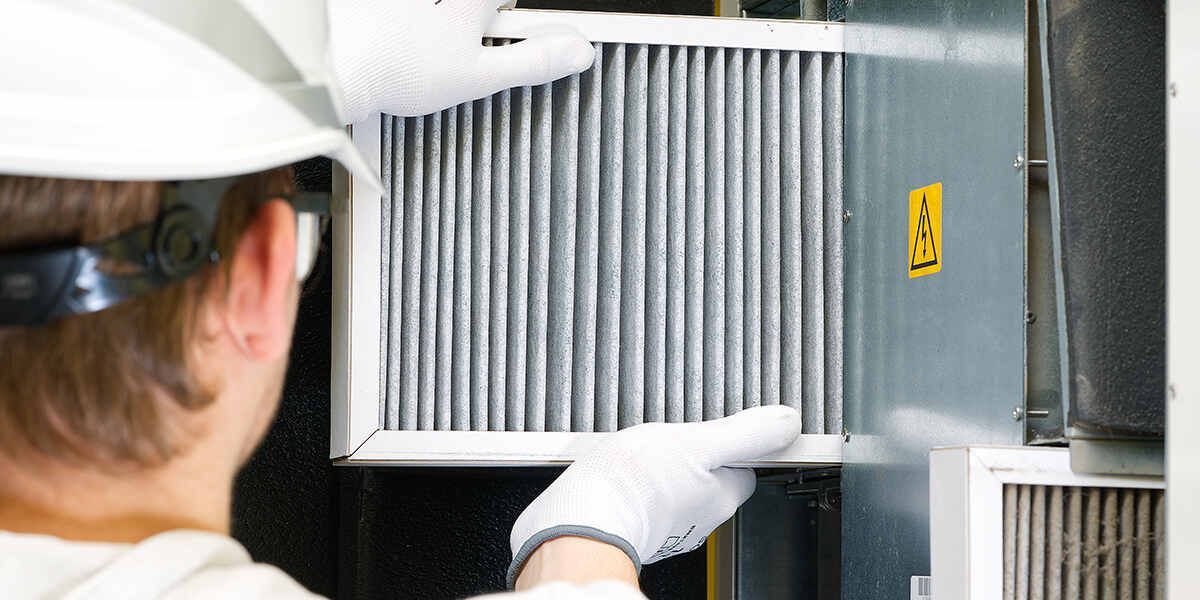
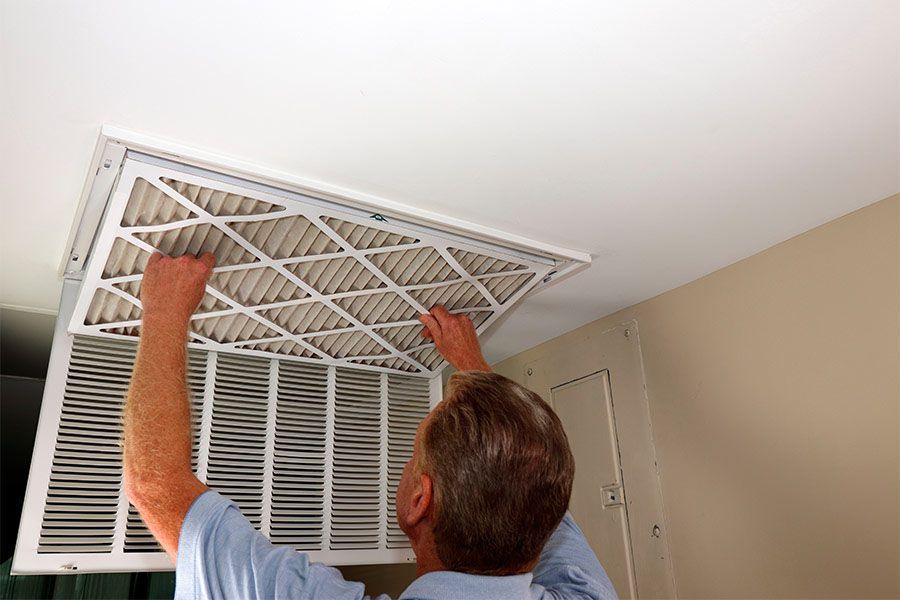
The main purpose of an AC filter is to trap allergens, dust, bacteria, small particles, and mold so that these particulates do not re-enter your home through your ductwork.
So, if your current AC filter is dirty and clogged with any kind of debris, it’s incredibly important that you schedule tune-ups and maintenance to replace this vital component. Doing so prevents trapped mold spores from continuing to travel throughout your ventilation.
Provide Adequate Ventilation
A final way that professionals get rid of mold is by providing adequate ventilation. If there’s mold in your air ducts, it’s highly likely that your system’s airflow is not optimal. For example, if stale air and moisture sit in a vent and remain trapped without airflow, then it’s highly likely these conditions will produce mold.
However, if this same area has adequate airflow, it maintains a dry ventilation system, which is not conducive to mold growth. Letting a professional inspect your ventilation ensures your airflow is optimal, keeping vents dry all year.
Hire HVAC Experts for Optimal Indoor Air Quality
Thankfully, there are solutions for homeowners dealing with the problem of mold in their air ducts. Bates Air & Heat is here to provide extensive mold remediation services to every homeowner.
Our team will answer all your mold-related questions, like how often you should clean your air ducts, and provide quality HVAC services and repairs to every homeowner.
Let Bates Air & Heat help you maintain a safe and healthy home free of mold. Call
(772) 837-5109 to get rid of mold in your air ducts today!