

Bates Air & Heat LLC
Heat Pump Repair in Lakewood Park, FL
Contact Us Today
Lakewood Park is a quiet, spread-out community in northern St. Lucie County where most residents chose this area specifically because it offers space, privacy, and a slower pace than the cities nearby. What it does not offer is any relief from the heat and humidity that defines summer on Florida's Treasure Coast. Homes out here tend to sit on larger lots with fewer surrounding structures to provide shade, which means outdoor HVAC equipment absorbs the full force of the afternoon sun with little buffer. When your heat pump starts struggling to keep up, Bates Air and Heat is the team to call. We are veteran-owned, we serve this part of St. Lucie County regularly, and we approach every job with the same commitment to getting it done right the first time.
Symptoms That Should Not Be Ignored
Lakewood Park homes are often larger than what you find in denser communities, which means a heat pump that is starting to lose efficiency has more square footage to fall behind on before anyone notices. By the time the problem is obvious, it has usually been developing for a while. Knowing what to watch for gives you a better chance of catching it before the repair gets complicated. Take note if any of these sound familiar:
- The system takes noticeably longer than it used to in order to bring the house down to a comfortable temperature after a hot afternoon.
- Certain wings or rooms of the house feel warmer than others, even with the thermostat set consistently.
- You walked past the outdoor unit and heard something that sounded like a rattle, scrape, or grinding that was not there before.
- The air handler is producing a smell when it first kicks on, whether that is something burning, something musty, or something harder to place.
- Your electric bill came in higher than it should have for the time of year and your usage has not changed.
- The system seems to be running almost all the time without ever shutting itself off and resting.
Any single one of these is worth a phone call. Waiting to see if it resolves on its own rarely works in a Florida summer, and in a home with a lot of square footage to cool, a struggling system can run up a significant energy bill in a very short time.
The Conditions Lakewood Park Puts on Your Equipment
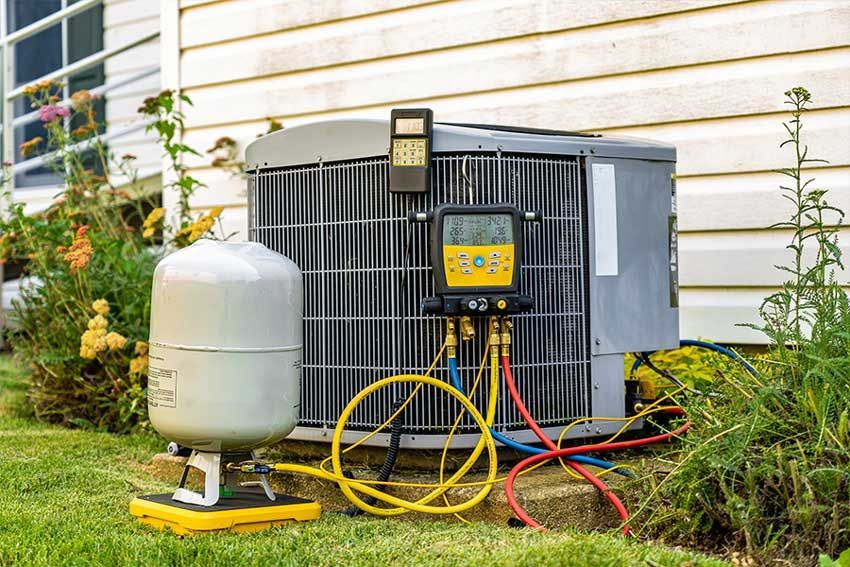
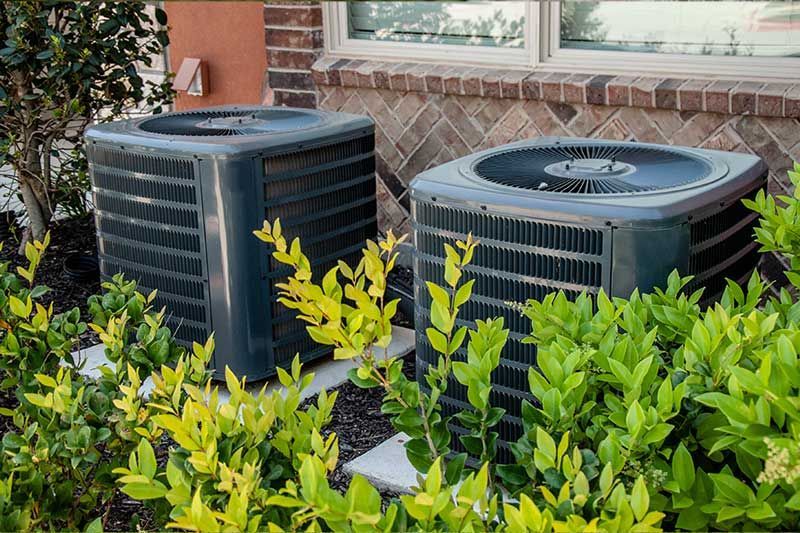
Lakewood Park sits on relatively flat, open terrain in a part of St. Lucie County that was developed largely through the 1980s and 1990s as an unincorporated residential area. The community's lot sizes are generous, which is part of its appeal, but it also means homes are more exposed to the elements than properties in denser subdivisions with mature shared tree canopies. Outdoor condenser units here frequently deal with sustained direct sun exposure, ground-level radiant heat from surrounding surfaces, and the kind of heavy afternoon thunderstorms that are a near-daily feature of Florida summers. That combination of baking heat and sudden moisture intrusion is genuinely hard on electrical components inside the outdoor cabinet. Add in the high ambient humidity that never fully clears overnight in this part of the Treasure Coast, and you have a set of conditions that age equipment faster than the spec sheet suggests. The problems we run into most consistently in Lakewood Park include:
- Capacitors and contactors that fail ahead of schedule because the outdoor unit is working in sustained heat with no natural shading to moderate temperatures around the cabinet.
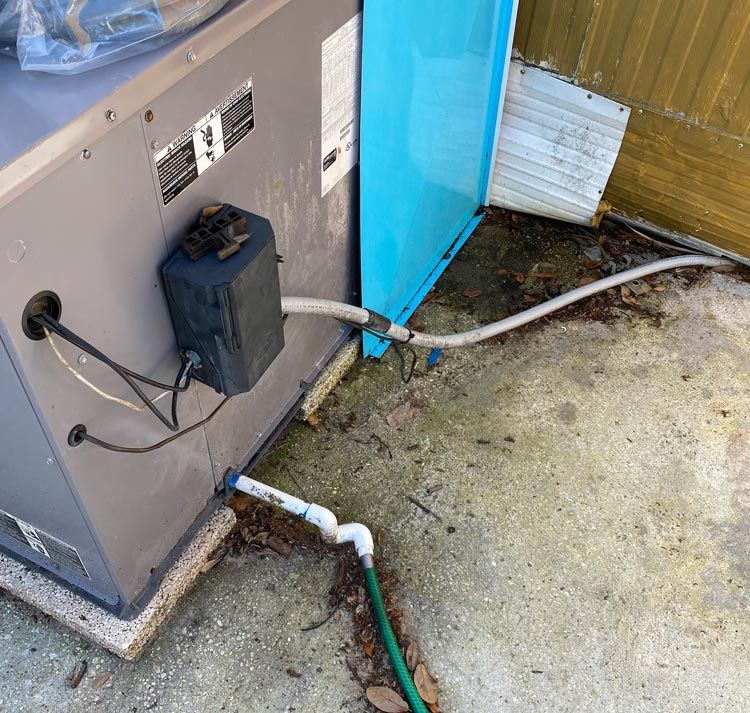
- Water intrusion into the outdoor electrical compartment from the heavy afternoon rain events that come through St. Lucie County almost daily from June through September.
- Refrigerant leaks that develop at line set connections running through attic spaces where temperature swings between night and day cause repeated expansion and contraction of fittings.
- Drain lines blocked by the combination of high condensate volume in humid conditions and the algae that thrives in warm, wet Florida air handling systems.
- Duct systems in older homes where the original installation has settled, shifted, or separated at connections in large attic runs spanning wide floor plans.
- Outdoor units that have sunk or tilted on settling pads, which affects refrigerant distribution and puts uneven stress on internal components.
Understanding the specific pressures that Lakewood Park's environment puts on a system is what allows us to make repairs that actually last rather than repairs that just get the unit running again temporarily.
What a Complete Heat Pump Repair Looks Like
We do not treat a service call in Lakewood Park the same way we would treat one in a newer subdivision with a recently installed system. Homes here have real history, and the HVAC equipment inside them reflects that. Our approach is to understand the full picture before we start recommending anything, because a repair that ignores the context of the home and its environment is just a delay on the next call. Here is what we cover on every heat pump repair visit:
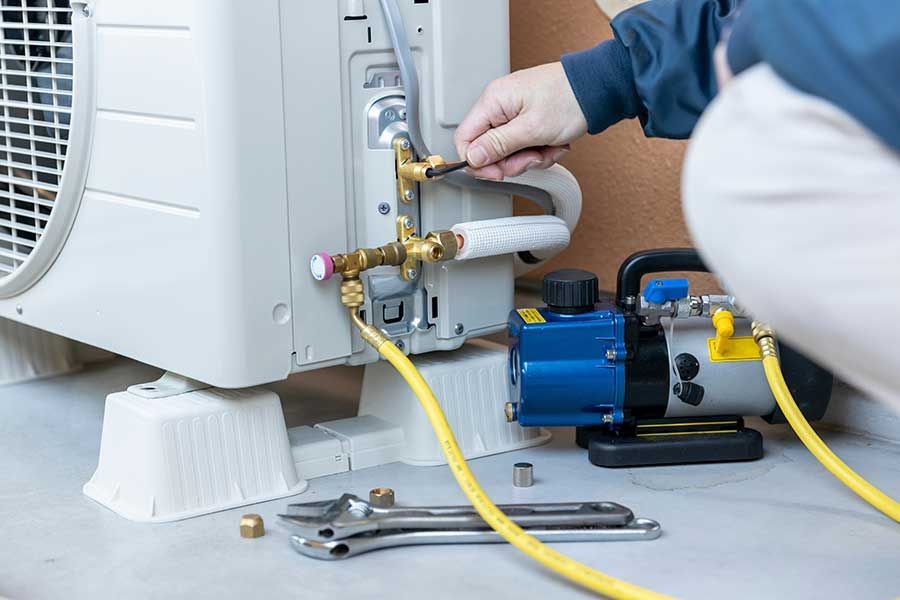
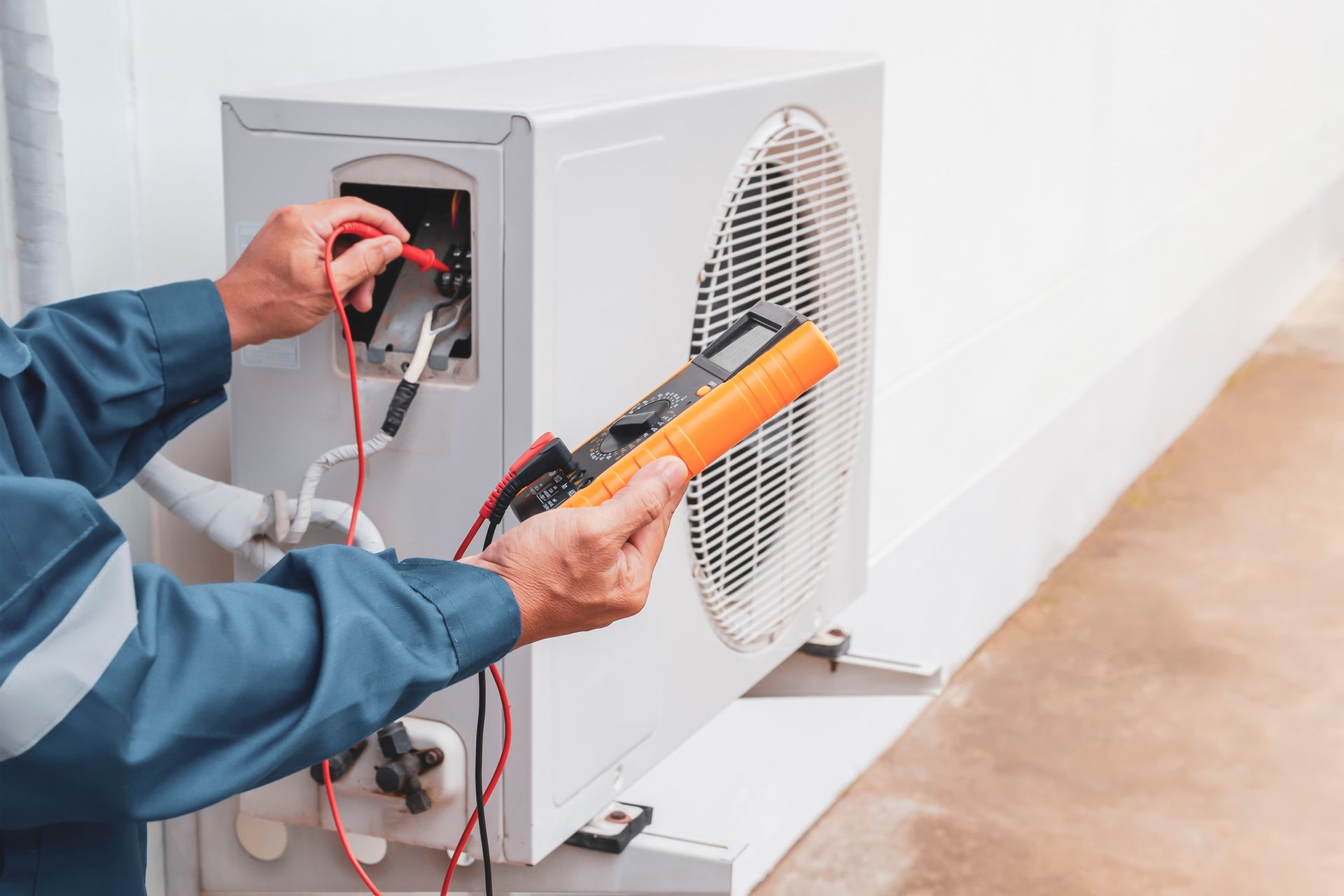
- A thorough diagnostic that evaluates refrigerant charge, electrical component health, airflow performance, and mechanical condition together rather than treating each in isolation.
- Refrigerant leak tracing with a focus on attic line set connections and coil fittings, followed by source repair and proper recharge.
- Capacitor, contactor, and relay inspection and replacement, with attention to signs of moisture intrusion in the outdoor cabinet.
- Condenser and evaporator coil cleaning to restore heat exchange performance that has been reduced by debris, dust, and biological growth.
- Condensate drain service including full clearing, pan inspection, and preventive algae treatment to reduce the likelihood of overflow shutoffs during heavy-use months.
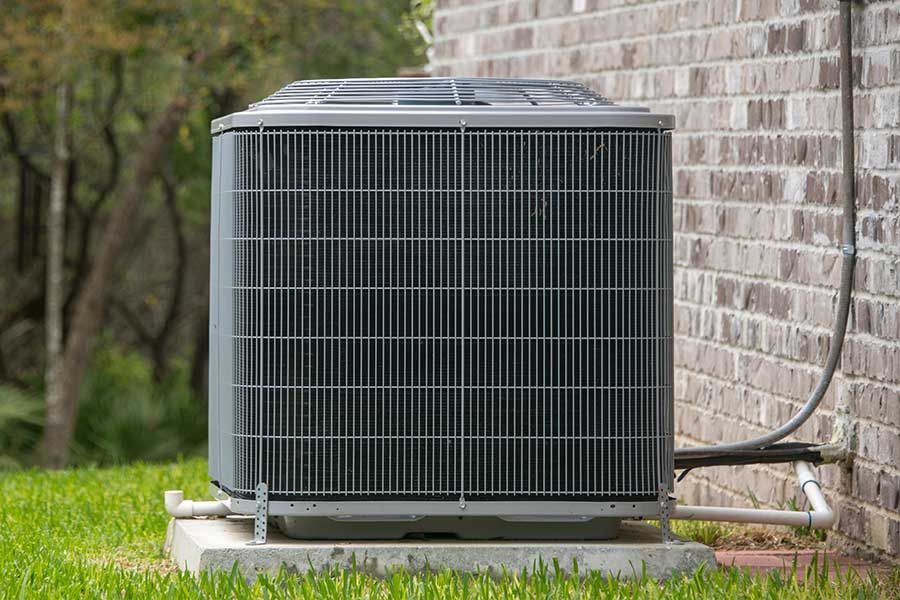
- Outdoor unit leveling assessment when the pad has settled and the unit is no longer sitting correctly.
- Duct inspection focused on connection integrity across longer attic runs that are common in Lakewood Park's wider floor plans.
For homeowners who want reliable performance year after year without the uncertainty of waiting for something to break, our maintenance agreements provide scheduled care that keeps the system in front of problems rather than reacting to them.
A Summer Call on Oleander Avenue
We got a call mid-summer from a homeowner named Barbara who lives off Oleander Avenue in Lakewood Park. She had a larger home and said the back half of the house had not felt comfortable in weeks. The front rooms were manageable, but the bedrooms on the far end of the house were consistently several degrees warmer than the rest of the home no matter how low she set the thermostat.
When we arrived and ran the diagnostic, the refrigerant charge was within an acceptable range and the equipment itself appeared to be functioning. What we found when we got into the attic was a flex duct run that had partially disconnected from a supply boot serving the back bedroom zone.
Conditioned air had been pumping directly into the attic space instead of the rooms it was supposed to reach. The system was working fine mechanically. The delivery side was the problem.
We reattached and sealed the duct connection, reinforced two other joints in the same run that were showing early signs of separation, and verified airflow at every register before we left. Barbara said the back bedrooms felt like a different house by that evening. It was a straightforward fix once we found it, but it required looking beyond the equipment itself to find the actual source of the problem.
Service You Can Count On Out Here
Lakewood Park is the kind of place where people value their space and their independence, and they expect the professionals they invite onto their property to respect both. Bates Air and Heat is veteran-owned and we operate with a set of values that fits that expectation. We show up when we say we will, we tell you what we found without exaggerating the situation, and we charge you fairly for work that is done correctly. That is a simple standard, but it is one we hold to on every call. When you work with us, here is what that means in practice:
- Emergency service when a breakdown happens at the wrong time, because there is no good time for a heat pump to fail in a St. Lucie County summer.
- A diagnostic process thorough enough to find problems that are not immediately obvious, including duct issues, attic line set leaks, and settling equipment.
- Repairs completed with quality materials and genuine attention to the work, not the fastest path to closing the call.
- Maintenance plans that make ongoing system care manageable and help prevent the kind of surprise failures that always seem to happen on the hottest day of the year.
- Straightforward communication from the moment you call through the moment we wrap up, with no pressure and no inflated recommendations.
We have earned our reputation in this county one honest job at a time, and every call in Lakewood Park is part of that same body of work.
Frequently Asked Questions
CHECK OUT THE OTHER HVAC SERVICES WE PROVIDE IN Lakewood Park, FL
or call us at: