Is a Furnace Leaking Water Dangerous?
A working furnace keeps your family cozy through the winter months, but what happens when something goes wrong with your property’s heating unit? For example, many homeowners will encounter a leaking furnace while they're unsure of the cause or how to proceed.
Is a furnace leaking water dangerous? Yes, a furnace leak can certainly be a dangerous situation when the water around the heating unit comes with the risk of electrocution. So, when you encounter a leak, it’s best to call the furnace professionals.
Below, Bates Air & Heat LLC’s leading HVAC contractors in Vero Beach, Florida, share more. The team encounters furnace leaks all the time in their line of work. Here’s what to do.
8 Common Causes of a Leaking Furnace and Possible Fixes
Myriad situations can cause a leaking furnace. The following are just eight of the most common reasons you might see your property’s furnace leaking water:
#1: Clogged Condensate Drains
In a high-efficiency condensing furnace, the condensate drain transports water away during the combustion process. It's not uncommon for this small pipe to develop clogs, which leaves this water with nowhere to go except to start leaking from the furnace.
However, not only do clogged condensate drains cause water leaks, but they can also create gas leaks. When clogs form, they damage the furnace’s components. Unfortunately, this often means an increased risk of gas seeping from the unit.
Either way, clogged condensate drains require professional repair services from teams like Bates Air & Heat LLC. The HVAC technician typically uses a drain snake to find the blockage and remove any debris to restore normal flow.
#2: Faulty Humidifiers
Quite a number of modern furnaces have built-in humidifiers, which could develop leaks. Faulty humidifiers cause water leakage onto the floor from the furnace. It doesn't necessarily mean anything is wrong with the heating unit itself—it could just be the elements within the humidifier.
Check the water tank in your furnace's humidifier. Is it full? Is the float valve working correctly?
If not, the HVAC professional will need to remove any mineral buildup or mold preventing the humidifier from functioning.
#3: Leaky Condensate Pump
Is a furnace leaking water dangerous if the furnace is in basements or crawl spaces? Furnaces in these locations typically contain condensate pumps that remove water from the furnace. If this pump is damaged or outdated, it can develop cracks, causing water to leak out of the furnace.
If you suspect a leaky condensate pump, check the tubing from the furnace to the pump for any signs of damage. Any further inspection should be left up to an HVAC technician, such as checking the discharge line and float switch.
#4: Dirty Air Filter
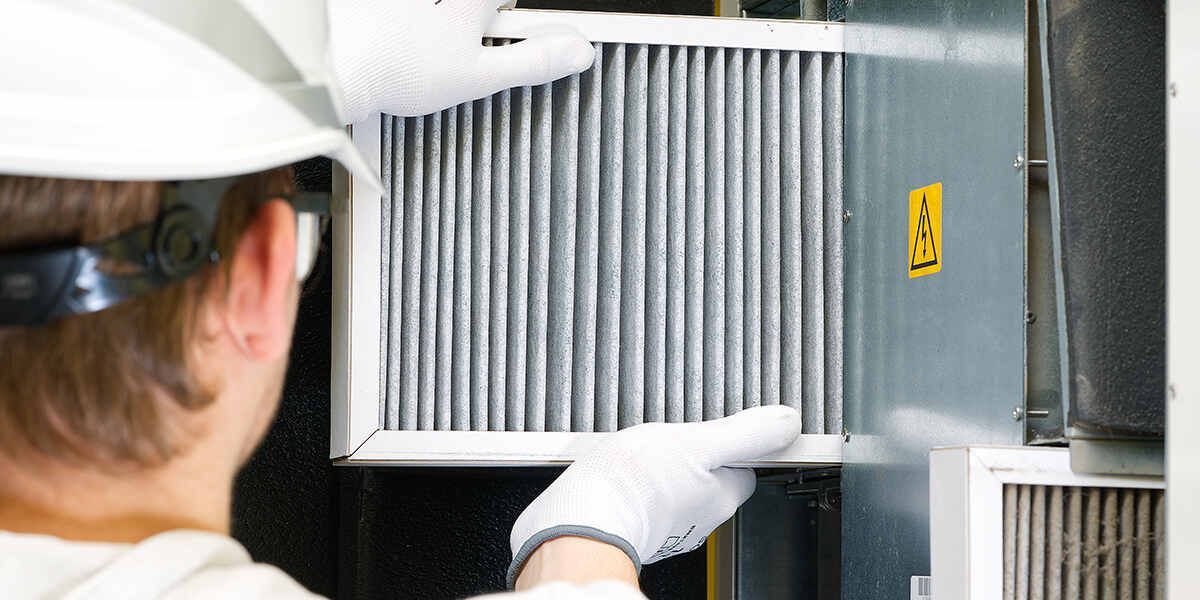
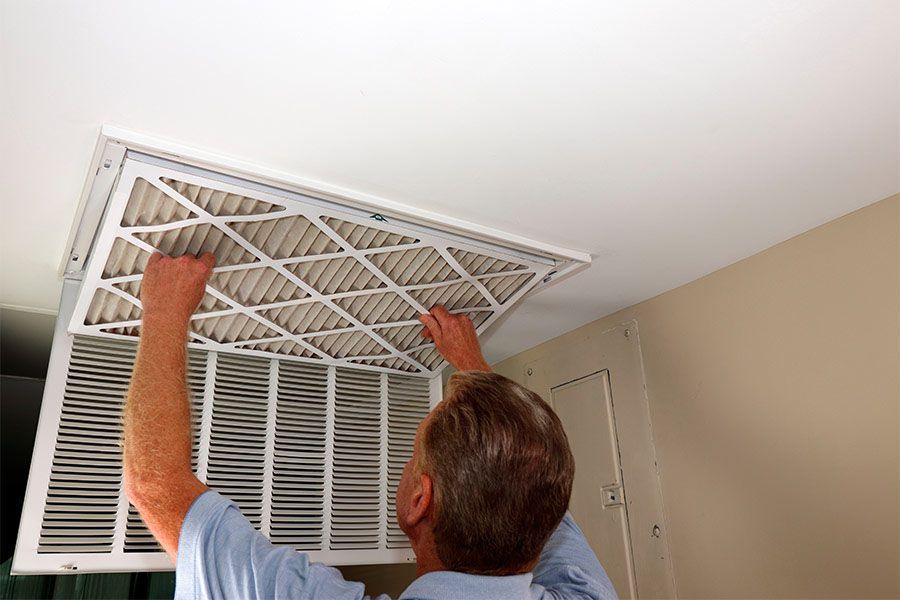
Dirty air filters aren't direct causes of furnace leaks, but they sometimes cause your AC unit to leak in the summer. Why? A dirty filter impacts airflow across the coil, causing extra condensation.
Understandably, homeowners with a shared HVAC system sometimes think the water is coming from the furnace rather than the air conditioner. Even so, a dirty air filter will drive up energy costs if it prevents your air conditioner from working properly or strains to cool your home. You can avoid this issue by regularly checking your air conditioning filters and replacing them when they're dirty.
#5: Frozen Coils
Another climate control-related cause of leaks is a frozen coil. When the evaporator coils in your air conditioner develop ice buildup, water leaks from the unit to create the illusion of a furnace leak. Thankfully, fixing a frozen coil is easy and quick:
- Turn off your cooling unit.
- Wait for the coils to thaw.
If your air conditioner still has frozen evaporator coils after some time, enlist the help of cooling professionals like Bates Air & Heat LLC.
#6: Rust and Corrosion
If your furnace is rusty and outdated, leaks are not uncommon. Corrosion breaks down the unit’s durability, increasing the risk of water leakage. However, the only resolution for an older or rusted furnace would be a replacement unit.
New furnace installation protects your home from water damage and keeps the space around the furnace safe to navigate.
#7: Damaged Drain Pans
Leaks in a standard efficiency furnace are sometimes from a damaged drain pan. Drain pans should collect water, so when they have cracks, this excess water runs onto the floor surrounding the heating unit.
Usually, an HVAC professional can place a new drain pan into the unit.
#8: Clogged Floor Drain
Lastly, even high-efficiency furnaces will experience clogs if they have floor drains. If debris and other materials block the floor drain, this clog will stop the proper flow of water out of the furnace and cause pooling on the floor.
Does your unit have a floor drain? Check for any visible debris blocking it. If nothing is apparent, blockages could be further down the drain, and you’ll need the help of an HVAC technician.
What To Do When Your Furnace Leaks Water
So, your furnace is leaking water. Is a furnace leaking water dangerous without professional treatment? Yes, leaking water is very dangerous if it comes with the risk of electrocuting yourself.
Some issues are simple fixes, such as dirty air filters or frozen coils. However, there are many other problems that cause water leakage around a furnace and aren’t so straightforward to fix. To be safe, call an HVAC professional when you notice water surrounding your furnace.
Leakage around any appliance, including a furnace, will generally require the attention of a professional for a skilled, safe repair. Don't compromise your safety—leave the furnace leaks to someone with the experience, training, and insurance coverage to handle it.
Professional Furnace Repair from Bates Air & Heat LLC
Is a furnace leaking water dangerous if the water is only around your heating unit? Find out when you call the professionals at Bates Air & Heat LLC, no matter where the leak happens to be. We'll safely address your leaking furnace and repair any issues, whether you need to reset the furnace blower motor or just replace a drain pipe!
Contact Bates Air & Heat LLC today at 772-271-7910 for more information.