How Does a Heat Pump Work in Summer?
Are you considering a heat pump for your home or need to schedule maintenance for an existing installation? Call 772-271-7910 now to speak with a member of our team. Bates Air & Heat LLC are your heat pump installation experts in Vero Beach, FL.
The heat pump plays a major role in your HVAC system. Despite its name, a heat pump works year-round to keep your home comfortable. With a simple flick of a switch, a heat pump can either cool or heat your home. So, how does a heat pump work in summer? Keep reading to learn more!
What Is a Heat Pump and How Does It Work?
When it comes to keeping your house cool, the heat pump plays a significant role. These systems provide efficient cooling for your home by transferring built-up heat.
Using a coil, fan, and refrigerant, the heat pump sends heat out of your home. Although it requires refrigerant to capture heat, it does not use it to generate cool air. Instead, it uses the refrigerant as a vessel to move the warm air to a new location.
Some systems use a liquid refrigerant that absorbs heat instead of a gas. In these systems, the cool liquid absorbs heat before carrying it to a new location to release it. The cool water then cycles back through the system continuously to capture new heat.
How Does It Move Heat?
A heat pump uses a refrigerant system to absorb heat. After absorbing heat from outside or inside your home, a heat pump moves it to the other end and releases it. This means that it can move heat in either direction providing, both heat and cooling for your home.
Are There Different Types of Heat Pumps?
Heat pumps come in two varieties: air-source and ground-source. An air-source heat pump pulls warm air from outside of your home, while a ground-source heat pump uses geothermal energy.
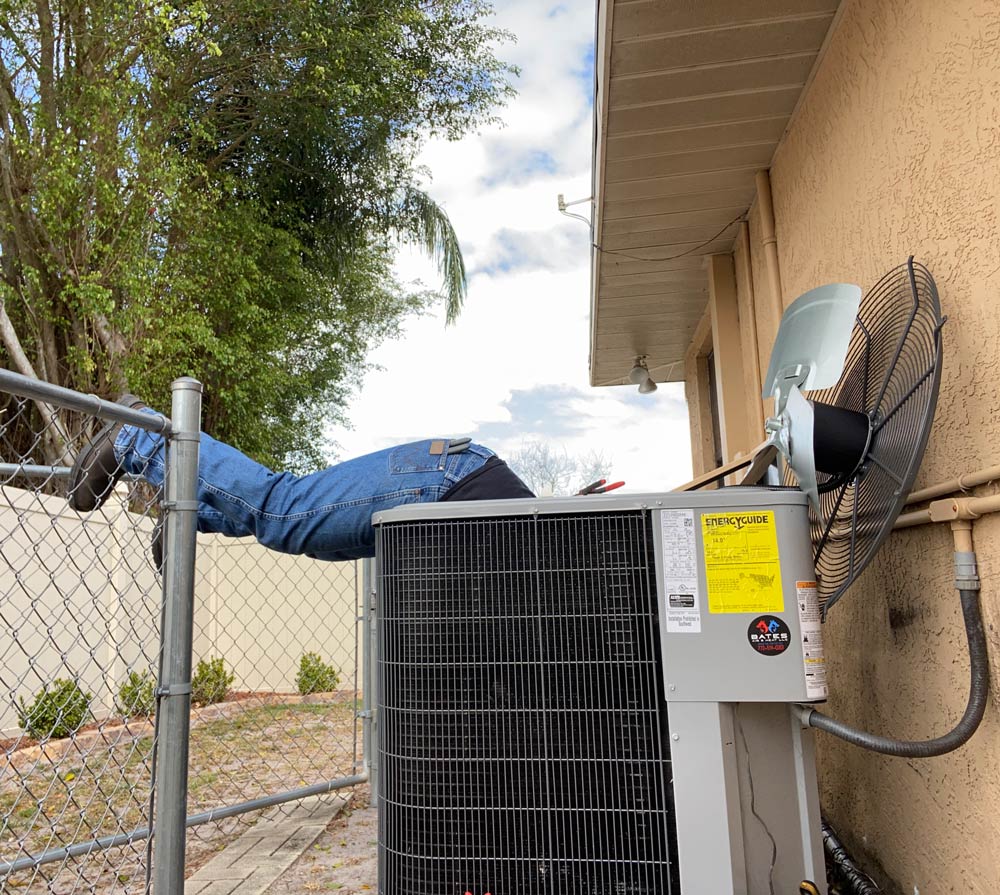
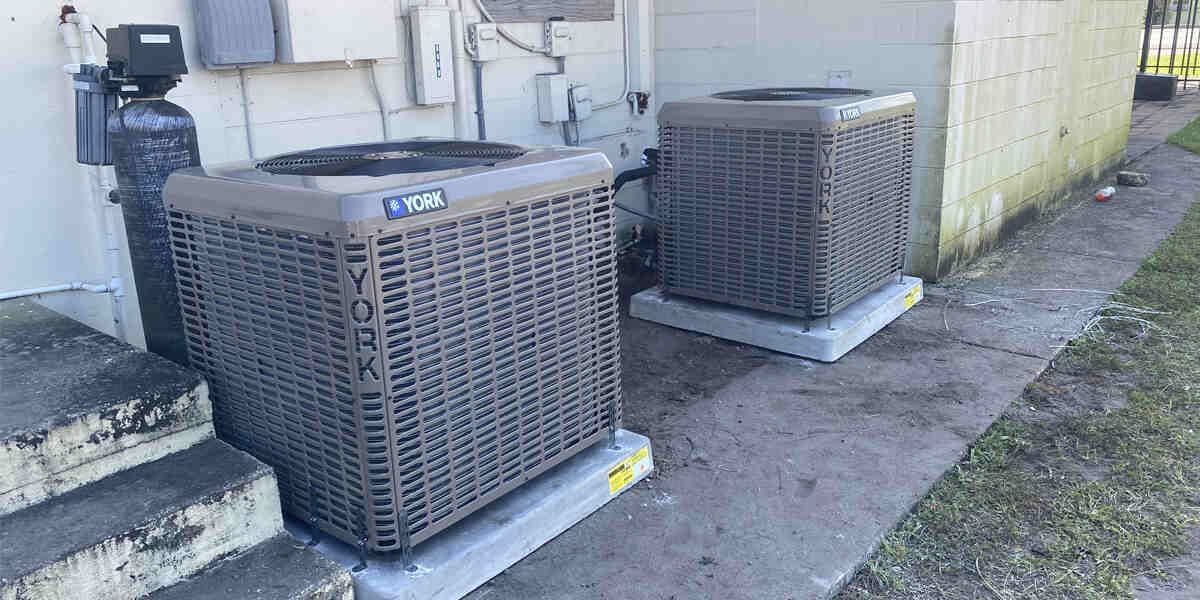
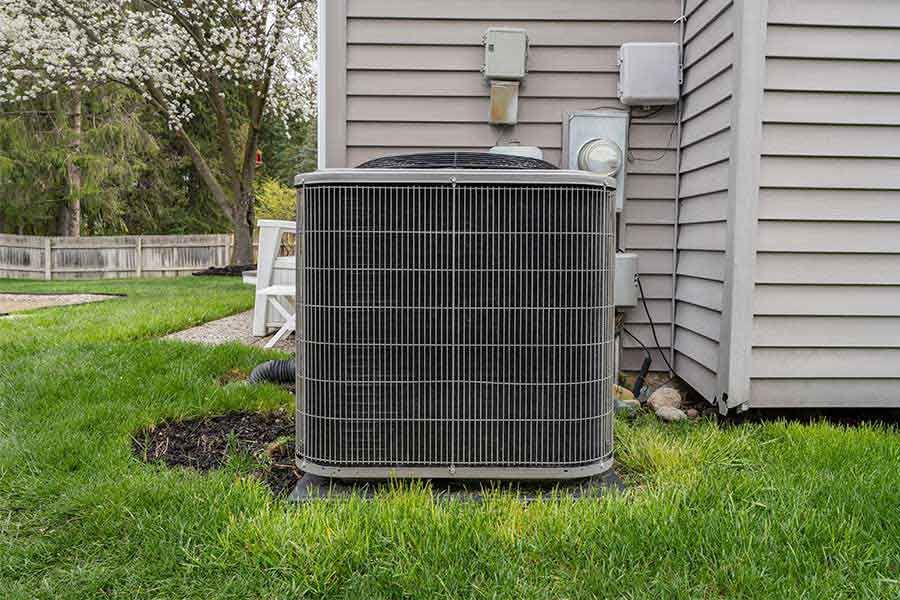
Regardless of where it sources warm air, a heat pump requires both indoor and outdoor units to move heat. This is similar to a mini-split AC system.
How Are They Different Than Air Conditioner Units?
Heat pumps differ from AC units because they are reversible. While they offer effective cooling by moving heat from inside to outside, they can also bring heat into your home. This means that they function similarly to a furnace when in heating mode.
How Do Heat Pumps Work in Winter?
Unlike a furnace, heat pumps do not require a fuel source to heat incoming air. They do this by bringing in hot air from outside of your home. This makes them much more efficient than gas or electric furnaces.
A ground-source heat pump pulls heat from the ground. A unit outside pulls this air in and then moves it inside. By using geothermal energy, a heat pump can provide excellent heating efficiency.
Even in cold climates, a heat pump can effectively heat your home. This is because outside air maintains a large portion of heat even when temperatures drop. In addition, geothermal energy can provide reliable heat energy despite the air temperature.
Do Heat Pumps Work in the Summer?
Heat pumps work great during the summer and offer energy-efficient cooling. There are several steps you can take to maximize your heat pump's efficiency, including:
- Manually adjusting your air-source heat pump. Relying on your heat pump's "auto" setting can be convenient, but it's not always efficient. As temperatures fluctuate throughout the day, your heat pump will run more often. Not only is this unnecessary, but it can also drive up your electric bills. Adjusting your heat pump manually helps you maintain a comfortable temperature and keep costs low.
- Maintaining a stable thermostat setting. Unlike a traditional air conditioner, it's not necessary to set "home" and "away" settings on a heat pump. In fact, it can be more costly to do so. It's often best to set a comfortable temperature and leave it alone.
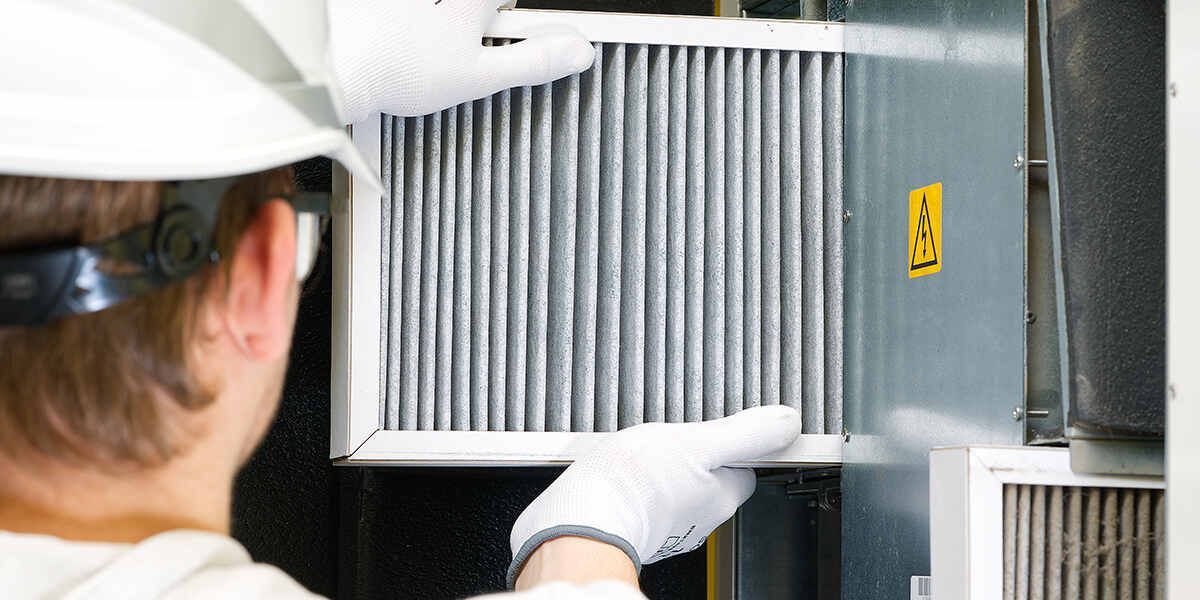
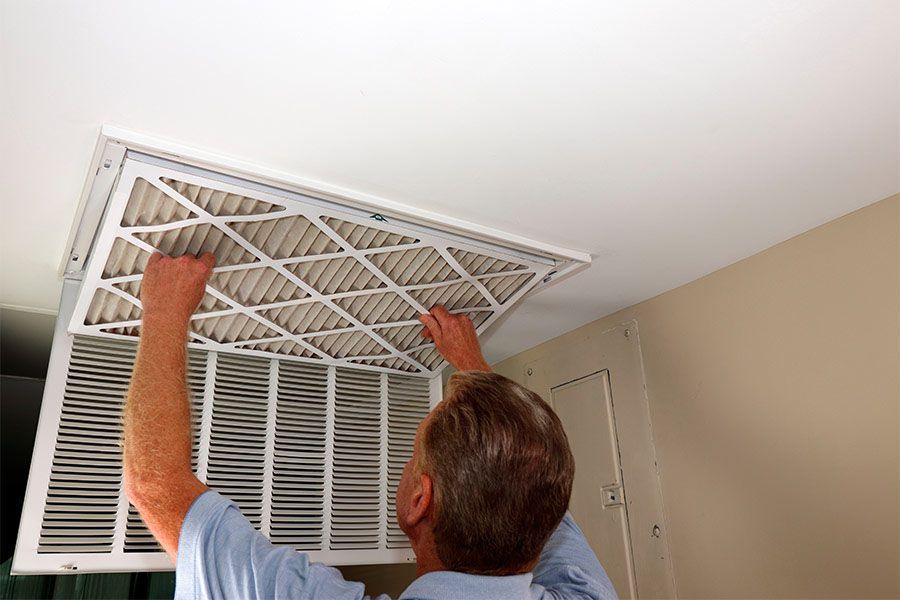
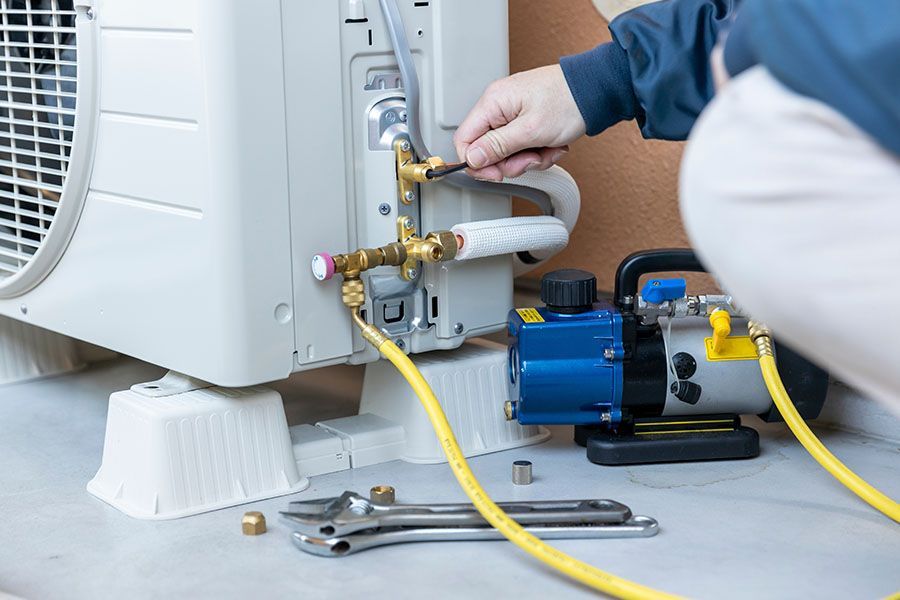
- Routinely servicing your heat pump. Your heat pump needs routine maintenance and inspections to work properly. Scheduling service is an important step in keeping it running efficiently. Not only can a technician check for issues, but they can also change filters and clean the unit and ensure it's running properly. Don't wait until your unit fails to schedule an appointment.
When maintained properly, a heat pump can be an excellent solution to cooling your home during the summer.
Is a Heat Pump Better Than an AC Unit?
Now that you know the answer to, "How does a heat pump work in summer?" you may wonder whether this system is superior to an AC unit. While each home has different needs, heat pumps offer a few benefits over AC units. Since they do not need to run continually, they are more energy efficient.
In addition, heat pumps function regardless of outside temperature since they do not need to generate cool air. It's much easier and cheaper to move existing air instead of generating cool air. This means that even when outside temperatures spike, a heat pump can still cool your home effectively.
If you're looking for a simple cooling solution for your home that requires few adjustments, consider a heat pump.
How Else Can a Heat Pump Save Me Money?
Depending on the climate you live in, you may be able to replace your furnace and AC unit with a heat pump. By using one appliance to both heat and cool your home, you can save a lot of money. This includes both maintenance and operating costs.
Consult an HVAC professional to see if a heat pump can provide both for your home.
Schedule Your Heat Pump Installation or Maintenance
Ready to schedule heat pump maintenance or discuss the benefits of a heat pump for your home? Call Vero Beach's heat pump installation experts at Bates Air & Heat LLC. We are a veteran-owned and operated company dedicated to our community.
Do you have questions other than "How does a heat pump work in summer"? Call now to learn more about heat pumps and HVAC maintenance.