

Bates Air & Heat LLC
Heat Pump Repair in Winter Beach, FL
Contact Us Today
Winter Beach is a small, unincorporated community tucked along the western shore of the Indian River Lagoon in northern Indian River County, just south of where the county line meets Brevard. It is the kind of place that does not draw much outside attention but holds considerable appeal for the people who live there: quiet streets, lagoon proximity, modest and well-kept properties, and a pace of life that feels genuinely removed from the coastal tourist corridor a few miles to the east. The HVAC demands here are shaped by that lagoon position as much as anything else. Moisture comes off the water consistently, the summer heat settles in without the breeze relief that barrier island communities get, and the homes in Winter Beach have been absorbing those conditions for a long time. Bates Air and Heat is a veteran-owned HVAC company that takes calls in this part of Indian River County and brings the same care to a quiet lagoon-side community that we bring everywhere else we work.
The Small Shifts Worth Paying Attention To
In a community as small and close-knit as Winter Beach, a household that loses its cooling in the middle of summer does not have many convenient fallback options nearby. The nearest big-box store and the nearest hotel are both a drive away, which makes catching a heat pump problem while it is still a repair and not a crisis genuinely more important here than it might be in a larger city with more immediate options. These are the shifts that signal something is developing:
- The indoor temperature climbs through the afternoon hours despite the system running without pause, as though the house has developed a slow leak to the outside heat that was not there before.
- There is a moisture smell in the air near the return grille or inside the hallway closest to the air handler, something faintly organic that was not part of the home's character in previous seasons.
- The outdoor unit runs through extended cycles and then shuts down abruptly without the gradual tapering that marks the end of a normal cooling sequence.
- You notice the supply registers blowing air that feels closer to room temperature than the cool air they were pushing even a few weeks ago.
- The breaker for the HVAC circuit has tripped once or has required a reset at some point in the last month without a clear explanation for why.
- The space immediately around the air handler cabinet feels damper than it should, or there is evidence of moisture that has collected somewhere it should not be.
Winter Beach's lagoon-side position means the environment is always working on the equipment, and the smaller the community, the fewer quick solutions are available when something finally gives out. Getting ahead of these signals is not just practical. Out here, it is the sensible thing to do.
Life on the Western Lagoon Shore and What It Asks of Your Equipment
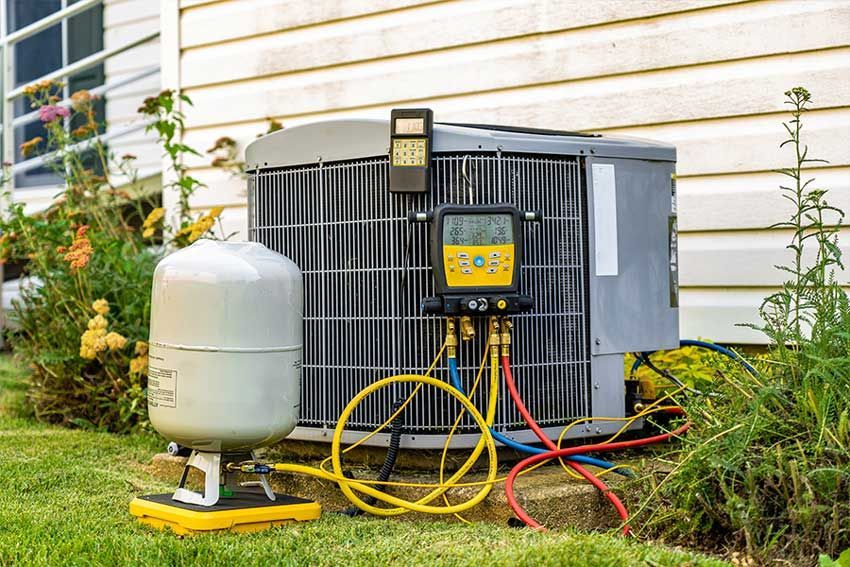
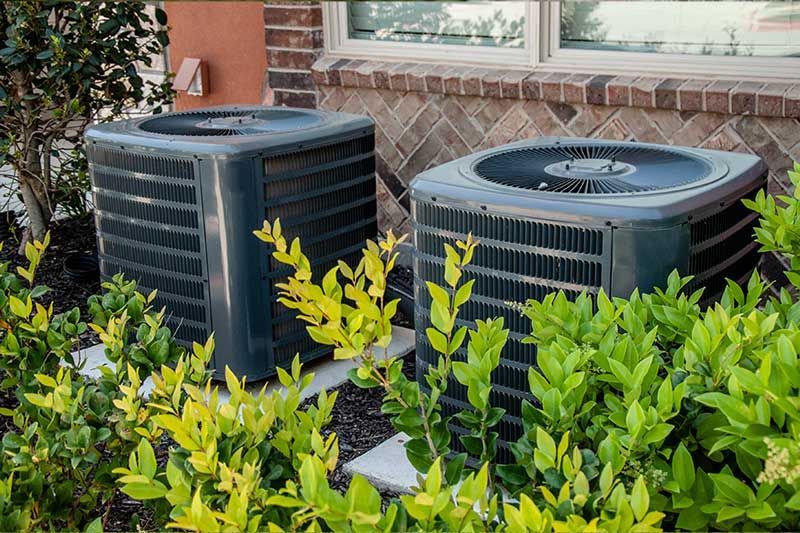
Winter Beach occupies the lagoon's western shoreline at a latitude where the Indian River is fairly narrow and the relationship between land and water is close and constant. Homes here sit near enough to the lagoon that the moisture the water releases into the air is not a weather event but a baseline condition. The dew points in this part of Indian River County stay elevated through the night and into the morning in ways that communities further from the water do not experience, and the air that moves through residential properties carries dissolved compounds from the lagoon's brackish ecosystem that are distinct from both pure ocean salt air and purely fresh inland air. Many of the homes in Winter Beach were built from the late 1950s through the 1970s, when the area was being established as a quiet residential alternative to the more developed coastal communities nearby. Those structures carry the mechanical history of the lagoon-side environment across several ownership cycles. The repair patterns that emerge from that combination of location and age are consistent enough that we have come to expect them on calls out here:
- Evaporator coils developing a layered fouling pattern driven by the combination of lagoon-sourced particulate and the sustained high moisture environment that keeps the coil surface wet for longer periods between cycles than a drier setting would allow.
- Drain systems in older Winter Beach homes where the original drain line routing passes through wall cavities or under slabs in ways that make clearing and inspection difficult, and where partial blockages have been building gradually without producing a visible overflow that would trigger a call.
- Refrigerant line connections at outdoor coil joints that have experienced the specific oxidation pattern associated with brackish lagoon air rather than either fresh or fully marine exposure, producing micro-leaks at a timeline that differs from both coastal and inland settings.
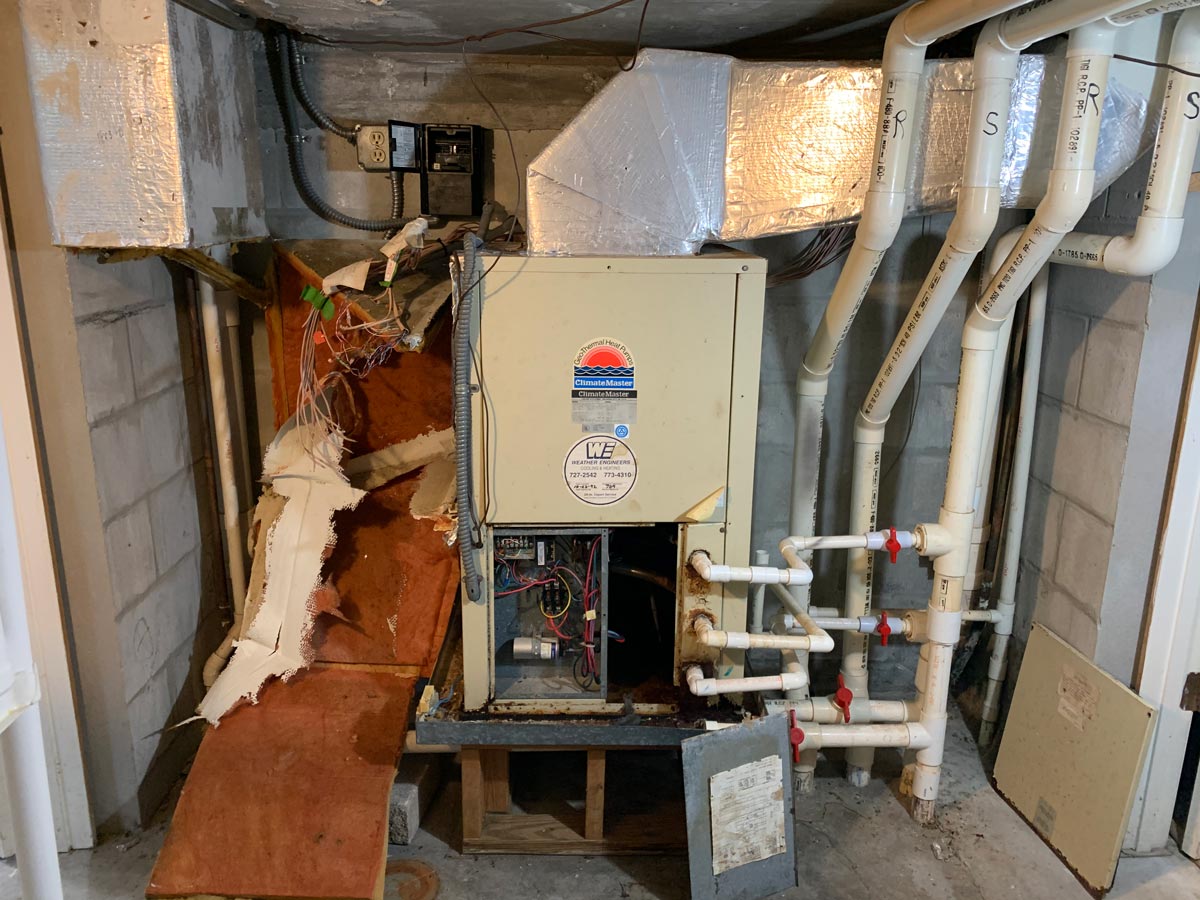
- Air handler cabinets in older construction where the original cabinet has been repaired or patched across multiple service histories without ever being fully assessed for interior rust and insulation integrity, creating a composite condition that affects both efficiency and air quality.
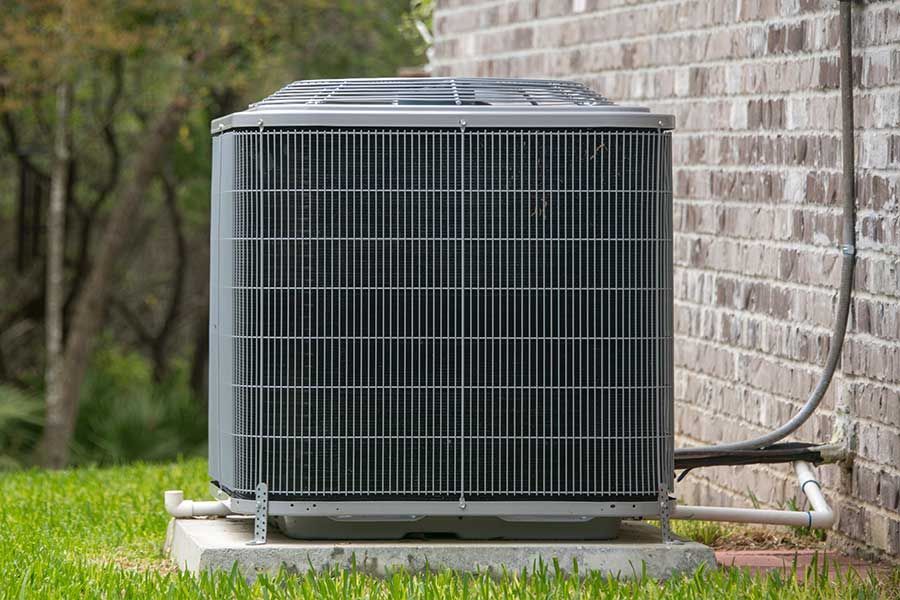
- Outdoor units sitting on pads that have settled toward the lagoon side of the property where ground moisture from the nearby water table is highest, creating a drainage condition around the unit base that accelerates cabinet base rust and promotes moisture intrusion into the lower electrical compartment.
- Low-voltage thermostat wiring in homes with original construction vintage where the wire jacket has become brittle from decades of temperature cycling in wall cavities, producing intermittent connection faults that are difficult to reproduce on demand but recur across seasons.
Winter Beach's combination of old housing stock, lagoon-adjacent ground moisture, and brackish air exposure produces a repair environment that rewards patience and thoroughness over speed, and that is how we approach it.
From the First Look to the Last Check Before We Leave
A service call in Winter Beach is not the place for a rushed diagnostic. The properties here have history, the systems inside them carry the effects of sustained lagoon exposure across multiple decades in some cases, and the conditions that produced today's failure are almost always connected to broader patterns of wear that deserve to be surfaced and understood before we start recommending repairs. Here is what our heat pump repair services cover on every visit in this community:
- Property-context diagnostics that account for lagoon proximity, ground moisture conditions on the western shoreline, construction era, and the specific brackish air exposure that differentiates Winter Beach from both coastal salt-air communities and inland settings.
- Evaporator coil inspection and cleaning calibrated for the layered fouling pattern that sustained lagoon moisture and high dew points produce, with assessment of how far the fouling has spread into surrounding cabinet surfaces.
- Drain system evaluation including routing assessment in older homes where the drain path passes through inaccessible cavities, full clearing, and a blockage severity assessment to determine whether the restriction has been building for a short time or across multiple seasons.
- Refrigerant line and coil fitting inspection with leak detection calibrated for the oxidation pattern specific to brackish lagoon air exposure, which differs meaningfully from standard coastal or inland leak profiles.
- Outdoor unit pad and drainage condition assessment with attention to the ground moisture elevation common on the western lagoon shoreline, including evaluation of whether the unit base has been exposed to standing water conditions that have advanced cabinet rust.
- Air handler cabinet interior assessment for rust, insulation integrity, and the composite repair history common in older Winter Beach homes that have had multiple service providers across their lifespan.
- Low-voltage wiring continuity testing at thermostat terminals and control board connections to surface intermittent faults that brittle aging wire jacket produces in homes with original construction electrical infrastructure.
For Winter Beach homeowners who want the peace of mind that comes with knowing their system has been properly assessed each year, our maintenance agreements offer exactly that. In a small lagoon-side community where service options are not around every corner, a relationship with a company that knows your property and shows up on schedule is worth considerably more than it might be in a larger city.
A Morning Visit on the Lagoon Side
We took a call earlier this year from a homeowner named Lorraine who lives on one of Winter Beach's lagoon-side streets. Her system had been running without any dramatic failures but had started producing what she described as an organic smell near the return grille whenever it ran, and she had noticed the house felt less comfortable than it used to in the evenings even though the thermostat settings had not changed. She was not sure whether the smell was a system problem or something else in the house, and she had been uncertain about calling for a few weeks.
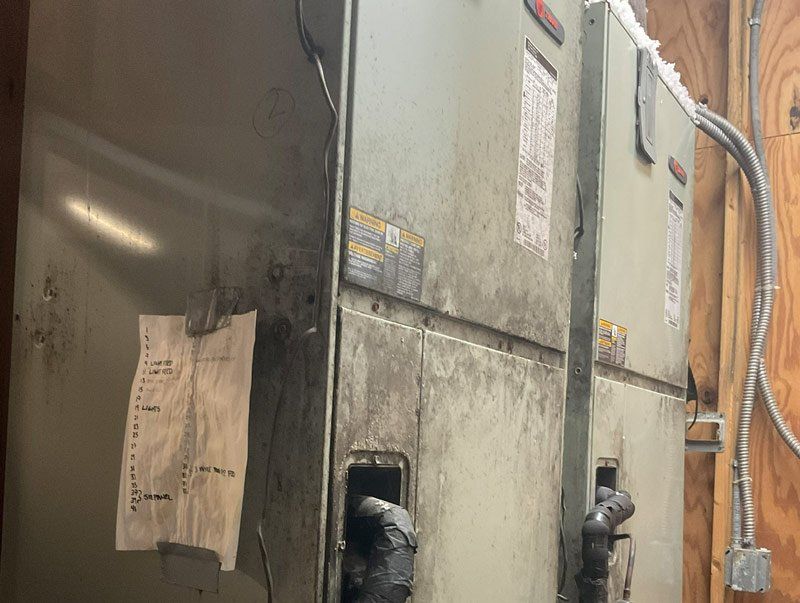
When we arrived and opened the air handler, the evaporator coil had developed a dense, textured fouling layer that extended from the coil surface onto the interior cabinet insulation along the lower section of the cabinet wall. The pattern was consistent with sustained high-moisture operation in a lagoon-adjacent setting, where the coil stays wet long enough between cycles for biological growth to establish itself on adjacent surfaces beyond the coil face. The drain pan beneath the coil had also developed a hairline rust seam along the back edge, seeping slowly into the cavity behind the cabinet rather than into the condensate drain line where it belonged.
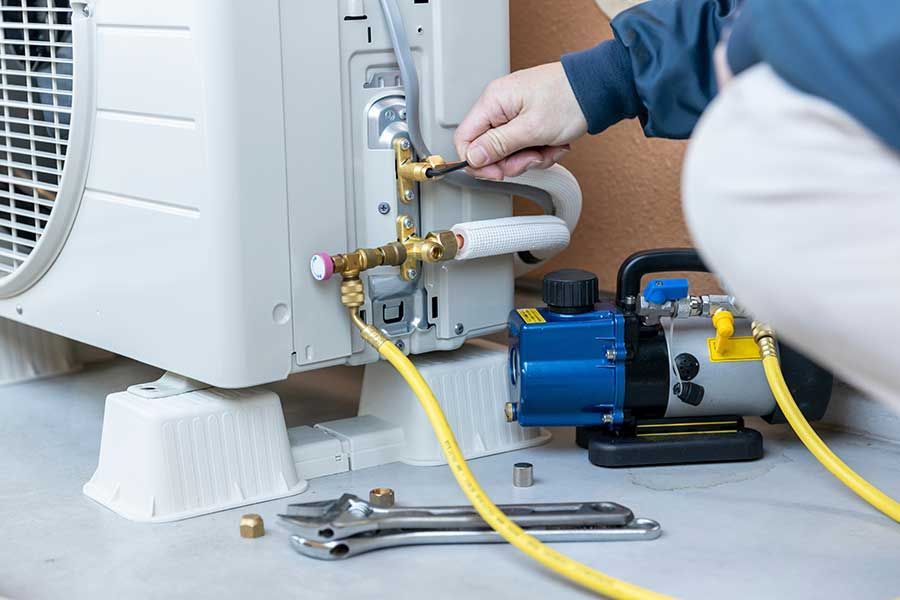
We cleaned the coil and treated the affected cabinet insulation, replaced the drain pan, cleared and treated the drain line, and checked the refrigerant charge and electrical components before we left. Lorraine said the smell was gone within the first hour of the system running after the service. She also mentioned she had been putting the call off because she was not sure the problem was real enough to justify it. In our experience, when something in a lagoon-side home starts feeling or smelling different than it used to, it is almost always real, and it is almost always better to have looked sooner.
A Small Community That Deserves Attentive Service
Winter Beach does not have the population or the profile of larger communities in Indian River County, but the people who live here chose it for good reasons and they deserve a service company that treats their homes with the same level of attention it would bring to a bigger account in a more prominent location. Bates Air and Heat is veteran-owned, and one of the things that means in practice is that we do not calibrate our effort based on the size of the community we are driving to. We show up, we work through the system completely, and we leave with the job done and the homeowner informed about what we found. Here is what that looks like specifically when you call us from Winter Beach:
- A service approach that treats lagoon-side ground moisture, brackish air exposure, and older construction vintage as active variables in the diagnostic rather than incidental background details.
- Emergency availability for when a heat pump failure in summer leaves a small lagoon-side community household without the one thing that makes the heat and humidity here livable.
- Thorough reporting that covers not just what failed but what the surrounding conditions suggest about where the system is heading, so you can make decisions with real information rather than uncertainty.
- Maintenance agreements that carry particular value in a community where service providers are not abundant and having an established relationship with a company that knows your property is a meaningful advantage.
- Honest pricing communicated before any work begins, with no additions that were not discussed and no recommendations toward a larger scope than the situation actually requires.
Winter Beach is the kind of community that stays itself by staying small, and we respect that. Every call we take here is an opportunity to be the kind of company a place like this can count on, and we take that opportunity seriously.
Frequently Asked Questions
CHECK OUT THE OTHER HVAC SERVICES WE PROVIDE IN Winter Beach, FL
or call us at: