
Bates Air & Heat LLC
Heat Pump Repair in Wabasso, FL
Contact Us Today
Wabasso sits along the Indian River Lagoon in a part of Indian River County that has held onto its unhurried, old-Florida character better than most. The community spans both sides of A1A, with some homes sitting close to the lagoon's western shore and others spread across the agricultural and residential land further inland. That geographic split means the HVAC challenges here are not uniform. Properties near the water contend with persistent lagoon moisture and the corrosive environment that comes with it, while homes further west deal more with the open-land heat exposure and particulate fouling common in rural Indian River County settings. Bates Air and Heat is a veteran-owned HVAC company that understands both sides of that equation, and we handle service calls in Wabasso with the specificity that a community this varied actually requires.
Your System Has a Language Worth Learning
Wabasso homeowners tend to be self-reliant people who are comfortable managing their own properties. The challenge with heat pump problems is that the early signals are easy to rationalize, especially when a system is still running and the house is still livable even if it is not quite comfortable. By the time a heat pump in this climate fails outright, the situation has usually been developing long enough that the repair has gotten more involved than it needed to be. These are the signals worth acting on before that happens:
- The home feels a few degrees warmer than the thermostat reading through most of the afternoon, as though the system is chasing a target it cannot quite reach.
- There is a new vibration or rattling coming from the outdoor unit during operation, distinct from the steady mechanical hum it has always produced.
- You have noticed the indoor air feels thick and damp even when the system appears to be running normally, which points to a dehumidification problem rather than just a temperature issue.
- The system is pulling harder on the circuit than it used to, tripping the breaker or causing lights to dim briefly when the compressor kicks on.
- One or more rooms in the house feel genuinely disconnected from the rest of the home in terms of temperature, regardless of where the thermostat is set.
- The outdoor unit has developed a layer of discoloration or residue on the coil face that was not there when the equipment was newer.
In a community stretched across both lagoon-adjacent and inland terrain, the root cause behind any of these symptoms depends heavily on where the property sits and what the specific environmental pressures on the equipment are. Getting the right diagnosis means accounting for that context, not running a generic checklist.
Two Environments, One Community, and What Each One Costs Your Equipment
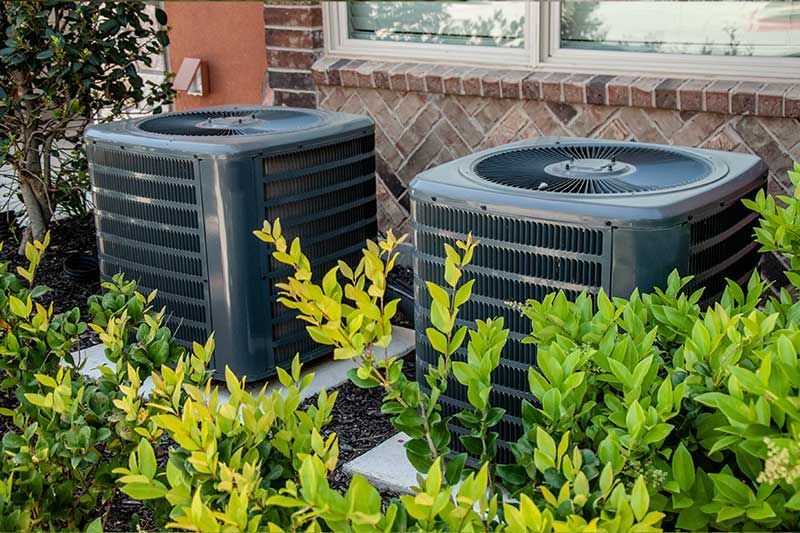
Wabasso's geography produces two distinct HVAC environments within a relatively small area, and the homes here reflect both of them. Properties close to the Indian River Lagoon deal with the kind of persistent, moisture-saturated air that keeps relative humidity elevated even late into the night and introduces dissolved salt and organic compounds into the air that contacts outdoor equipment. Homes on the western side of A1A and further inland sit in a drier but hotter open-land environment where agricultural activity, scrub vegetation, and minimal shading combine to create conditions that stress outdoor units differently. Many of the homes throughout Wabasso were built between the 1960s and the early 1990s, a range that spans several generations of construction quality and duct system design. Here is how those two environments tend to manifest in the repair calls we take:
- On lagoon-adjacent properties, evaporator coil surfaces develop biological fouling faster than in any inland setting because the system is processing extraordinarily humid air continuously, leaving the coil wet for longer periods between cycles and creating ideal conditions for microbial growth.
- Near the water, refrigerant line connections at outdoor coil joints experience accelerated oxidation from the dissolved minerals and organic acids the lagoon air carries, producing slow leaks that accumulate over a season before they become detectable through performance loss alone.
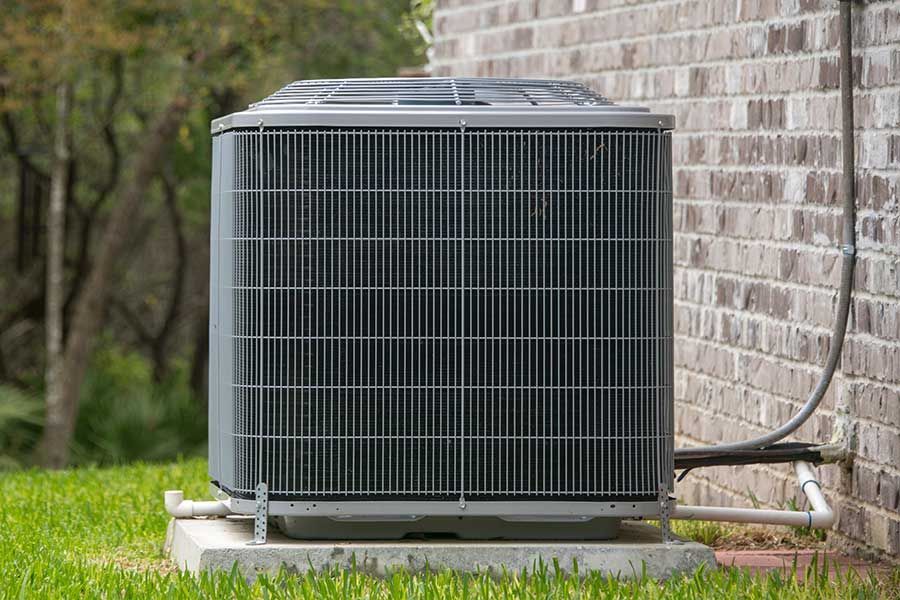
- On inland properties, condenser coils accumulate layers of fine scrub vegetation pollen and sandy particulate that bonds to the fin surface differently than the debris found near water, requiring cleaning methods specific to that material type to restore airflow effectively.
- Across both settings, homes built in the 1970s and 1980s frequently have original duct systems with joints that have shifted and separated in attic spaces after decades of Florida's thermal cycling, losing conditioned air into uncooled spaces well above the living area.
- In older Wabasso homes on either side of A1A, air handler drain pans that have never been replaced carry years of accumulated rust along the seams, creating seepage conditions that damage flooring and wall materials around the mechanical room before anyone notices moisture where it does not belong.
- Throughout the community, thermostat and low-voltage wiring in homes with original construction vintage frequently develops intermittent connection faults from the sustained humidity exposure that Wabasso's lagoon-influenced climate maintains year-round.
Knowing which of these environments a specific property sits in, and how the home's construction era interacts with those conditions, is what allows us to diagnose accurately and recommend repairs that hold up under the actual pressures the system faces every day.
How We Handle a Repair From First Look to Finished Job
A service call in Wabasso requires us to read the property before we read the equipment. Where the home sits relative to the lagoon, how old the construction is, how the air handler is installed, and where the line set runs are all factors that shape what we are likely to find and how we approach the repair. We do not skip those questions to get to the part where we start replacing components. Here is what a full heat pump repair visit from Bates Air and Heat covers in this community:
- Property-specific diagnostics that account for lagoon proximity, construction era, and installation configuration before any component-level evaluation begins.
- Evaporator coil inspection and cleaning calibrated for the biological fouling patterns common in high-humidity lagoon-adjacent settings, with assessment of coil surface condition beyond just visible cleanliness.
- Condenser coil cleaning appropriate for the specific particulate type present, whether lagoon-influenced organic debris or inland scrub and sandy pollen accumulation, using methods matched to the material rather than a one-size approach.
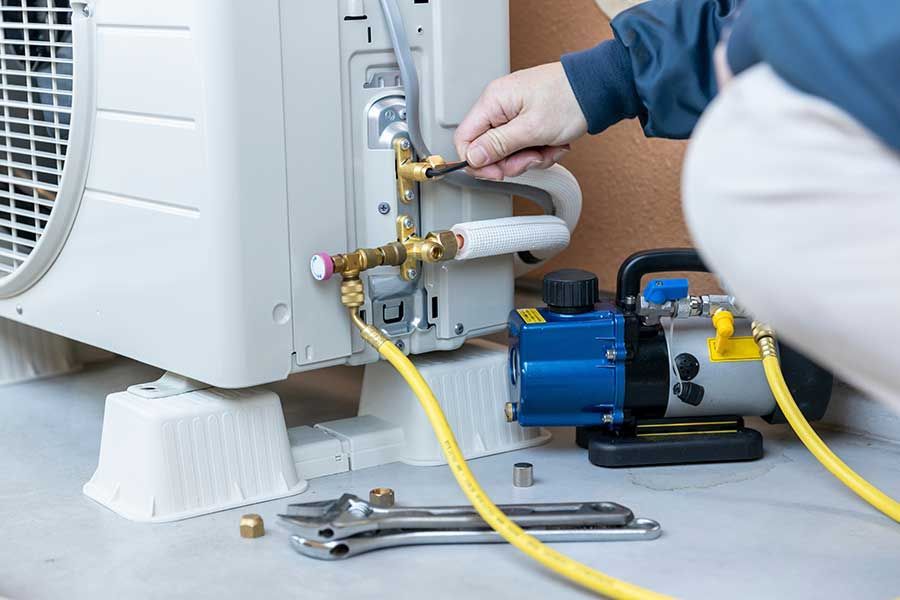
- Refrigerant line and fitting inspection with leak detection sensitive enough to find the slow oxidation-driven leaks that develop at outdoor coil connections in moisture-heavy environments.
- Drain pan evaluation with rust assessment and seepage testing, particularly in older air handler cabinets where original pan material has been cycling through wet and dry conditions for decades.
- Duct connection inspection across attic runs in older homes, with repair and sealing of joints that have separated from decades of thermal movement.
- Low-voltage wiring and thermostat terminal testing to surface intermittent connection faults that do not always reproduce during a standard operational check but cause erratic system behavior in daily use.
We offer maintenance agreements that are well suited to Wabasso's dual-environment character. Whether your property sits close to the lagoon or further inland, having a scheduled inspection each year is what keeps the wear curve from getting ahead of you between service calls.
A Morning Call Between the River and the Road
We took a call in late spring from a homeowner named Terrence who lives on the lagoon side of A1A in Wabasso. He had noticed over the previous several weeks that the house felt muggy regardless of the thermostat setting, and that the system was running through very long cycles without the indoor air ever feeling truly dry or comfortable. The temperature reading on the thermostat looked reasonable, but the way the air felt told a different story.
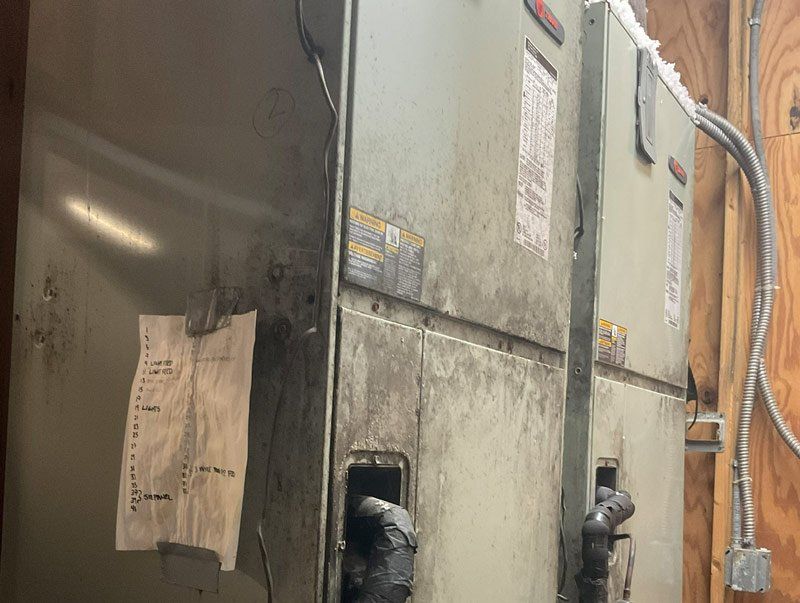
When we arrived and opened the air handler, the evaporator coil had a significant layer of biological growth across most of its surface, the kind of dense, dark fouling that develops when a coil stays wet for extended periods in a high-humidity environment. The system was hitting the temperature set point, but the fouled coil surface had lost so much latent heat capacity that it was no longer pulling meaningful moisture from the air. That is a condition where the thermostat reads fine and the system runs fine but the home feels miserable, and it is one of the more commonly misdiagnosed problems we encounter in lagoon-adjacent properties.
We cleaned the coil thoroughly, treated the drain system, and tested the refrigerant charge while we had everything open. The charge was within range, which confirmed the coil fouling was the sole driver of the dehumidification failure. Terrence said the difference was noticeable within the first hour of the system running on a clean coil. He also mentioned that a previous technician had told him the system was operating normally during a visit the prior season. Technically it was. But a system that cannot dehumidify properly in Wabasso is not performing correctly for the environment it is in, and that distinction matters.
Showing Up for a Community That Spans Both Sides of the Road
Wabasso is a community where the landscape changes meaningfully depending on which direction you look from the middle of A1A, and the HVAC needs of the homes here change with it. Bates Air and Heat is veteran-owned, and the preparation and accountability we bring to every call reflects that background. We do not show up with a single approach and apply it regardless of what the property actually presents. We pay attention to where we are, what the environment is doing to the equipment, and what the home's history suggests we are likely to find. When you call us from Wabasso, here is what you are signing up for:
- A service visit that begins with understanding the property's specific environmental context before any diagnostic work starts, because the right repair in Wabasso depends on knowing which version of Wabasso you are standing in.
- Emergency availability for when the heat pump goes down and the combination of lagoon humidity and summer heat makes waiting through the weekend a genuinely uncomfortable prospect.
- Clear, honest reporting on everything the diagnostic surfaces, including the things that are developing but have not yet caused a failure, so you can plan around them rather than be surprised by them.
- Maintenance agreements suited to both the lagoon-adjacent and inland properties in this community, with scheduling that fits your situation and keeps the system assessed before the next season puts new pressure on it.
- Upfront pricing and direct communication throughout the visit, with no recommendations made before we have explained what we found and why the repair we are suggesting addresses it.
Wabasso has the kind of community character that makes it worth taking care of, and every call we take here is one more opportunity to do this work the way it ought to be done.