

Bates Air & Heat LLC
Heat Pump Repair in Poinciana Park, FL
Contact Us Today
Poinciana Park is one of those established Vero Beach-area neighborhoods where the homes have some age on them and the streets feel settled and familiar. The mature trees and older construction give it a character that newer subdivisions simply have not had time to develop. But those same older homes come with HVAC systems that have been running through Florida summers for a long time, and the equipment inside them carries the wear that comes with that. When something goes wrong with your heat pump in Poinciana Park, Bates Air and Heat is ready to take a look. We are veteran-owned, we work in this area regularly, and we handle every call with the kind of straightforward service we would want for our own homes.
Your Heat Pump Has a Way of Showing Its Age
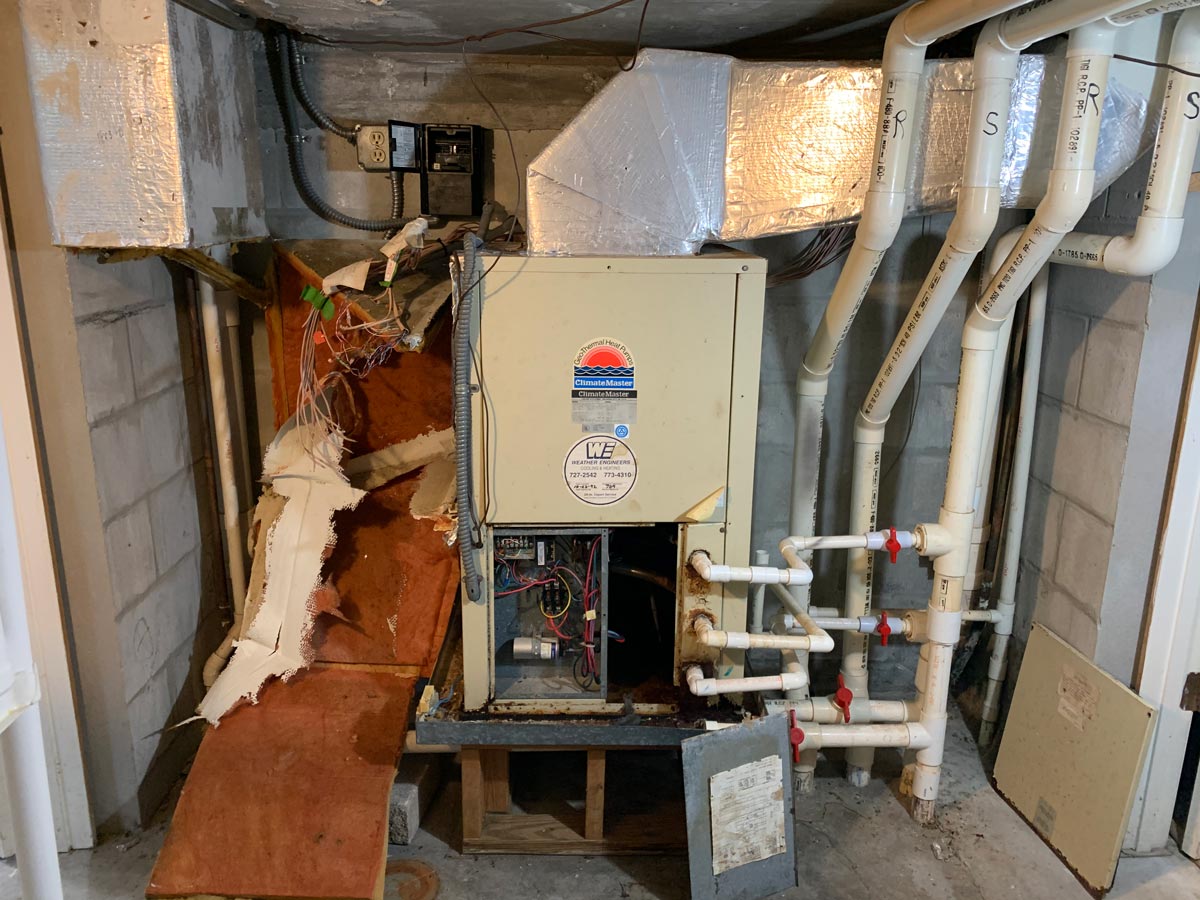
Older systems in established neighborhoods like Poinciana Park tend to develop problems that creep up gradually rather than hitting all at once. A heat pump that has been running through Indian River County summers for ten or fifteen years has accumulated real wear, and that wear tends to show up in ways that are easy to attribute to something else at first. These are the signs worth taking seriously:
- The system runs longer and longer to reach the same indoor temperature it used to hit in half the time.
- You are waking up to a warmer house than you set the thermostat for, even though the system ran all night.
- There is a musty or stale smell drifting through the vents that seems to get stronger when the system first kicks on each morning.
- The outdoor unit has started making a new sound during operation, something mechanical and inconsistent rather than the steady hum it used to produce.
- Rooms at the far end of the house from the air handler have gotten noticeably harder to keep comfortable over the past season or two.
- The circuit breaker for the HVAC unit has tripped once or more in recent weeks without a clear reason.
In a home with an aging system, these signals tend to compound. One worn component puts strain on the next one, and a repair that might have been simple in April can become a more involved job by August if it goes unaddressed.
Older Homes, Mature Trees, and What That Means for Your Equipment
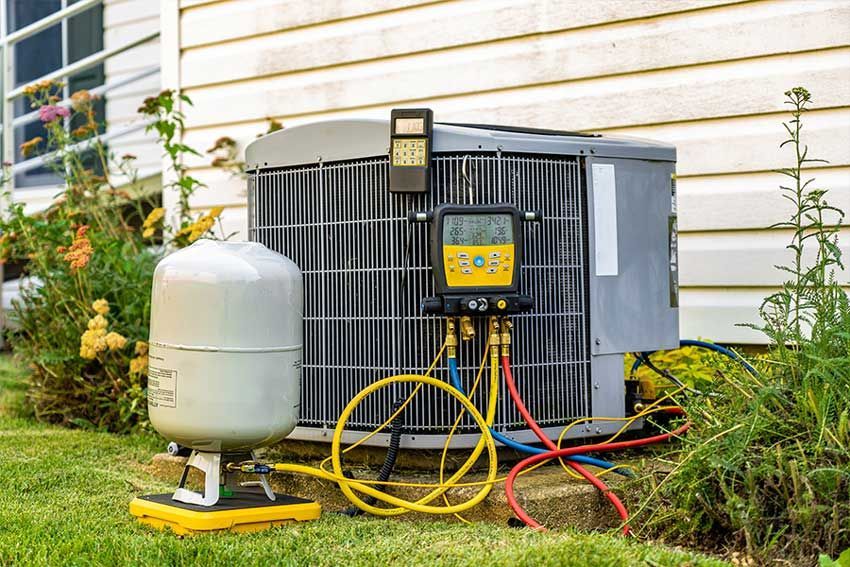
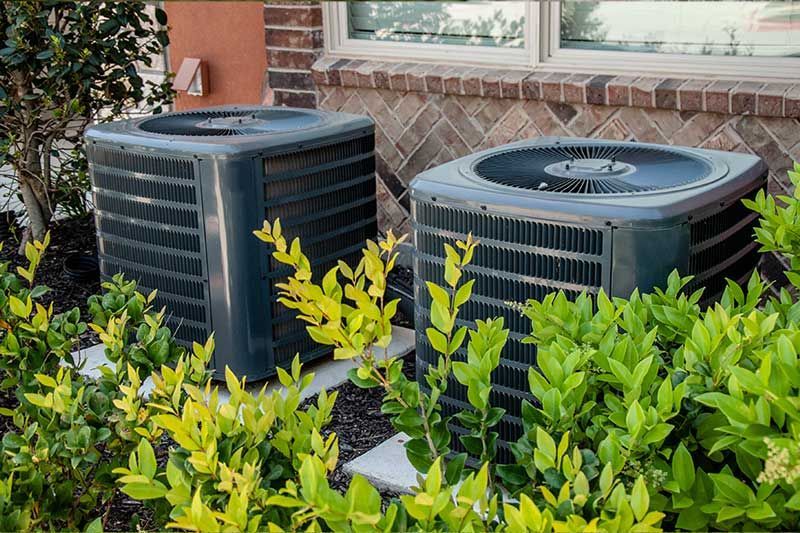
Poinciana Park's mature landscaping is one of the things that makes it an appealing place to live, but those established trees and shrubs create an HVAC environment that comes with its own set of considerations. Leaf litter, seed pods, and organic debris from large shade trees find their way into condenser coils continuously, especially during seasonal shedding periods. The dense canopy that keeps the neighborhood cooler than open subdivisions also creates pockets of still, humid air around outdoor units that reduce how efficiently the equipment can shed heat. Add in the fact that many of these homes still have their original ductwork from construction decades ago, and you have a situation where the building's infrastructure is working against the mechanical system's performance. The specific issues we encounter most often in homes like these include:
- Condenser coils clogged with decomposed leaf matter and organic buildup from overhead tree coverage, restricting airflow through the unit in ways that are not obvious from a distance.
- Flex duct that has stiffened, cracked, or partially collapsed in attic spaces after years of Florida heat cycling through it repeatedly.
- Refrigerant leaks at indoor coil connections in air handlers that were installed when the home was newer and have never been replaced or inspected at the fitting level.
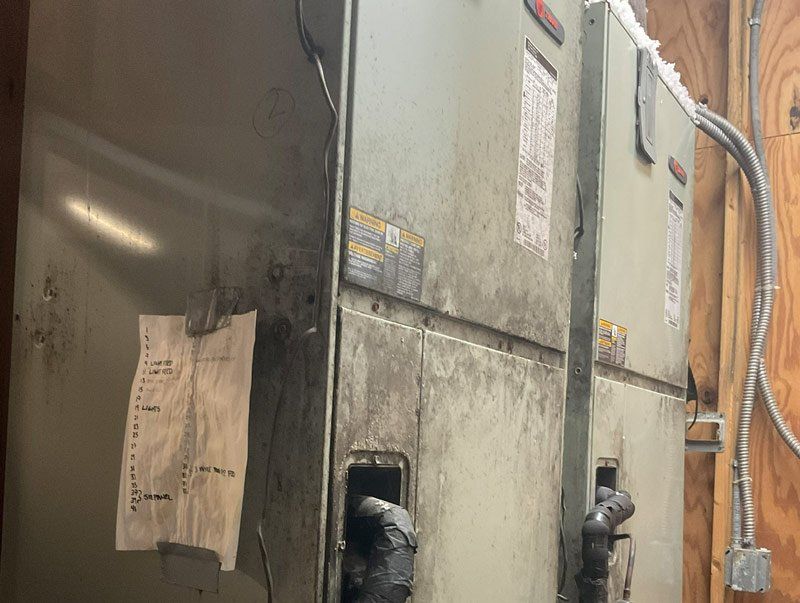
- Blower wheels coated in a layer of fine dust and biological material that has built up behind filters that were not changed consistently over many years.
- Capacitors and contactors in outdoor units that are operating significantly past their practical service life simply because the system has not been serviced on a regular schedule.
- Thermostat wiring in older homes where the original low-voltage wiring has developed intermittent connection issues that cause erratic system behavior.
None of these are unusual findings in a neighborhood like Poinciana Park. They are the predictable result of time and climate, and knowing how to address them correctly is what separates a lasting repair from one that brings you back to the same call in six months.
What We Do on Every Repair Visit
We come into a Poinciana Park service call expecting to find a system with history, and we approach the diagnostic accordingly. That means we are not just looking at the component that stopped working. We are looking at what caused it to stop working, what that failure mode tells us about the rest of the system, and whether there are other things developing that are worth addressing while we are already there. Our heat pump repair services cover:
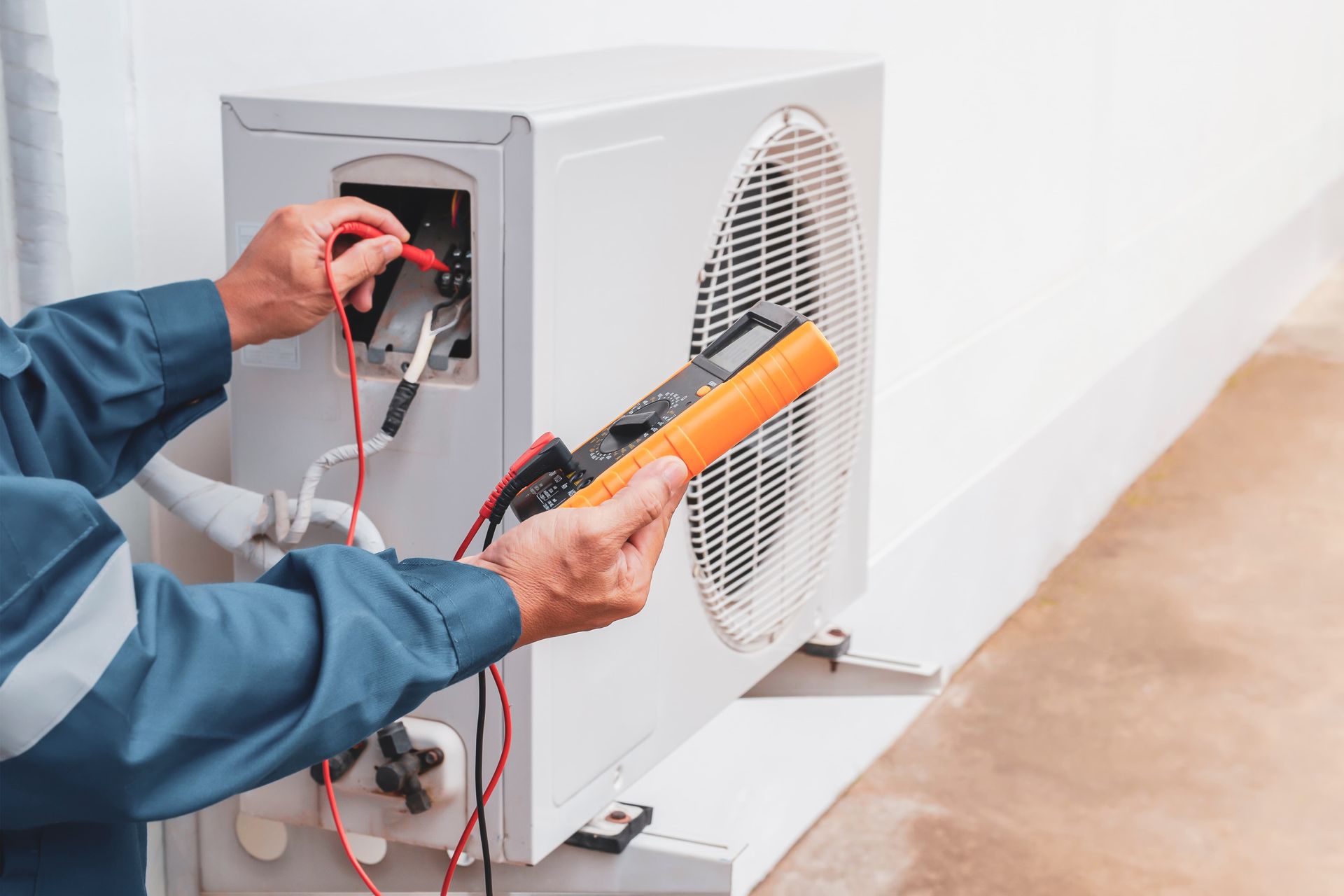
- Full system diagnostics that assess refrigerant performance, electrical health, airflow volume, and mechanical condition as a single integrated picture rather than a checklist of isolated parts.
- Condenser coil cleaning with specific attention to organic debris accumulation from overhead tree coverage, including debris packed into the base of the unit below the coil.
- Blower wheel inspection and cleaning when indoor airflow has been reduced by years of particulate buildup behind the filter.
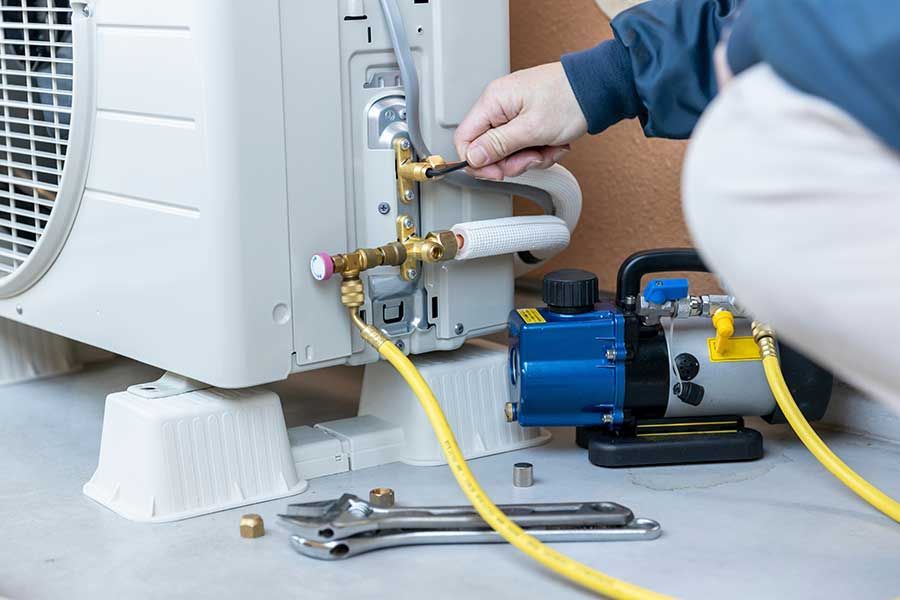
- Refrigerant line and coil fitting inspection with leak detection and repair at the source before recharging the system.
- Capacitor, contactor, and low-voltage wiring evaluation with replacement of components that are operating beyond reasonable service life.
- Flex duct inspection across attic runs with repair or replacement recommendations when structural deterioration is reducing delivery efficiency.
- Condensate drain clearing and biological treatment to address the algae and mold growth that Florida humidity promotes year-round.
We also offer maintenance agreements that make a lot of sense for Poinciana Park homeowners with older systems. A scheduled service visit each year catches the kind of gradual wear that accumulates quietly and tends to announce itself at the worst possible time.
A Late Summer Call in Poinciana Park
We got a call in late August from a homeowner named Vincent who lives in Poinciana Park. He said his system had been acting strangely for about a month, running hard but never quite catching up with the afternoon heat, and he had started hearing a faint grinding noise from the outdoor unit that came and went during operation. He had been putting the call off hoping it would sort itself out, which is an instinct we understand even though it rarely works in a Florida summer.
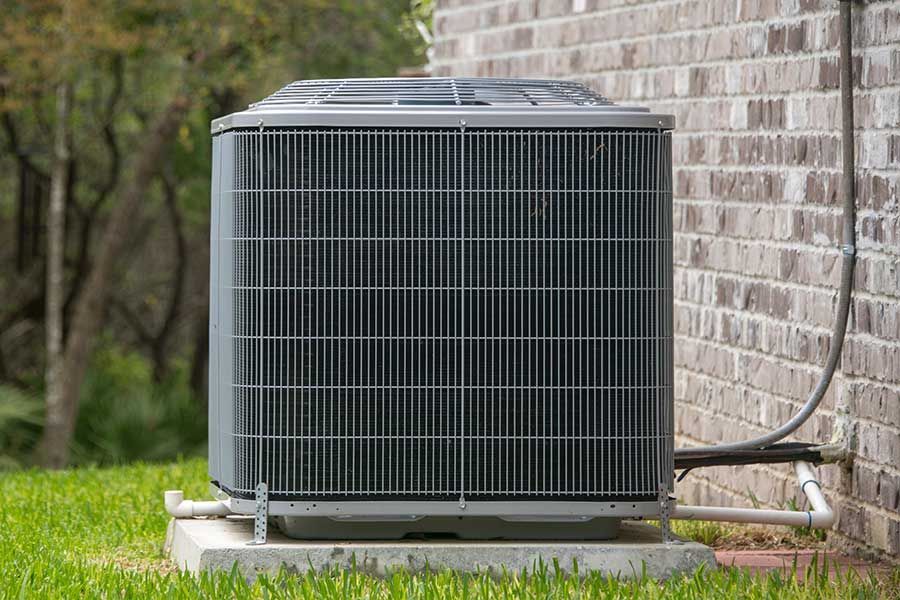
When we arrived and opened up the outdoor unit, the condenser coil was packed with decomposed organic material that had accumulated from the large oak trees overhanging the unit on two sides. Airflow through the coil had been cut significantly, which was forcing the compressor to work under strain for every cycle. The grinding sound was coming from a blower motor bearing that was failing under the added load. We cleaned the coil thoroughly, replaced the blower motor, and inspected the capacitor while we had the unit open. The capacitor was still within range but only barely, so we replaced it proactively rather than wait for it to fail on its own.
Vincent mentioned he had not realized how much the trees overhead were affecting the unit. It is one of those things that happens so gradually that you do not notice until something breaks. We also talked with him about trimming the canopy back from the unit to reduce how quickly it would accumulate debris going forward.
Dependable Service for an Established Neighborhood
Poinciana Park is not a neighborhood that turns over quickly. People put down roots here, and they tend to want the same thing from the companies they hire: someone who shows up, does the job well, and is honest about what they find. That is exactly how Bates Air and Heat operates. We are veteran-owned, and the values that come with that background are not something we leave at the door when we pull up to a job. Every call we take in this area reflects on our reputation, and we protect that reputation by doing the work correctly every time. When you call us, you can expect:
- A technician who understands the specific wear patterns common in older Vero Beach-area homes and looks for them during the diagnostic.
- Emergency availability because a failing heat pump in August is not a situation that gets more comfortable with time.
- An honest assessment of your system's condition, including a straightforward conversation about repair versus replacement when the equipment's age makes that a relevant question.
- Maintenance agreements designed for homeowners who want to stay ahead of the wear curve rather than react to breakdowns after they happen.
- Clear, upfront pricing before any work begins, with no pressure and no padding.
We take pride in the work we do in communities like Poinciana Park, and we are glad to be the company neighbors recommend to each other when the heat pump stops cooperating.
Frequently Asked Questions
CHECK OUT THE OTHER HVAC SERVICES WE PROVIDE IN Poinciana Park, FL
or call us at: