
Bates Air & Heat LLC
Heat Pump Repair in Oslo, FL
Contact Us Today
Oslo sits quietly along the southern edge of Indian River County, sandwiched between the Indian River Lagoon to the east and open agricultural land to the west. It is a community of modest, well-kept homes where people have generally been around long enough to know their neighbors and their property. It is also a place where the lagoon's persistent moisture hangs in the air year-round, and summers bring the kind of unrelenting heat that puts real demands on a home's cooling system. Bates Air and Heat is a veteran-owned HVAC company that takes calls in Oslo seriously, shows up prepared, and does not leave until the job is done correctly.
Early Clues That Your Heat Pump Is Struggling
Oslo homeowners tend to be practical people who notice when something around the house is not performing the way it should. Heat pumps usually give fair warning before they fail outright, but those warnings can be subtle enough to brush off during a busy week. The ones worth acting on include:
- The indoor humidity feels heavier than the thermostat reading suggests it should, a sign the system is losing its ability to pull moisture out of the air effectively.
- You notice the outdoor unit running through an unusually long cycle and then shutting off abruptly rather than tapering down normally.
- Supply registers that used to push strong, cool air are now delivering something that feels closer to room temperature.
- There is a soft but persistent clicking or ticking sound coming from the air handler that was not part of its normal operation before.
- The system seems to have a harder time recovering after the house warms up during the day, taking hours to get back to a comfortable temperature in the evening.
- Your electric bill came in noticeably higher for the billing period, with no change in occupancy or usage habits to account for it.
Oslo's proximity to the lagoon means ambient moisture levels stay high even on days that feel relatively mild. A heat pump that is beginning to lose ground in that kind of environment will keep falling behind until the underlying issue is addressed.

What the Lagoon Corridor Does to Residential HVAC
Oslo's position along the Indian River Lagoon gives it a microclimate that differs meaningfully from communities just a few miles inland. The lagoon acts as a humidity reservoir, releasing moisture into the surrounding air continuously and keeping dew points elevated even during drier stretches of the year. For a heat pump, that means the system is almost always working against high latent heat loads, pulling water vapor out of indoor air in addition to managing temperature. That sustained dehumidification demand accelerates wear on components in ways that are specific to lagoon-adjacent communities. Homes in Oslo also skew older, with much of the residential construction dating to the 1970s and 1980s, and those houses carry the accumulated effects of decades of lagoon-corridor humidity on their mechanical systems. The repair patterns we see most consistently here reflect both of those realities:
- Evaporator coils with microbial growth on the surface from the constant moisture load the system processes, reducing heat exchange efficiency and contributing to indoor air quality issues.
- Drain systems overwhelmed by condensate volume during high-humidity stretches, particularly in homes where the original drain line diameter was sized for a drier climate assumption.
- Refrigerant line insulation that has deteriorated from prolonged moisture exposure, leaving copper lines sweating against wall cavities and attic framing.
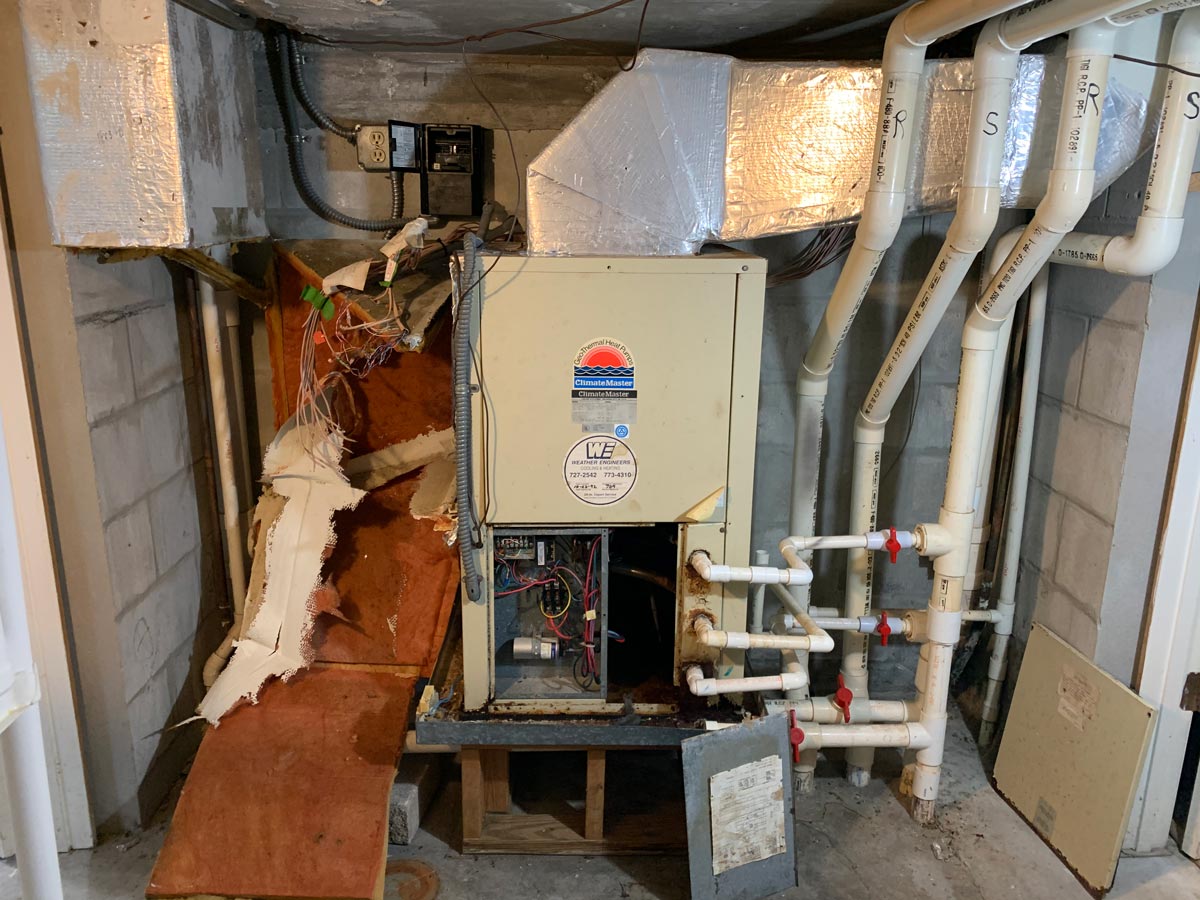
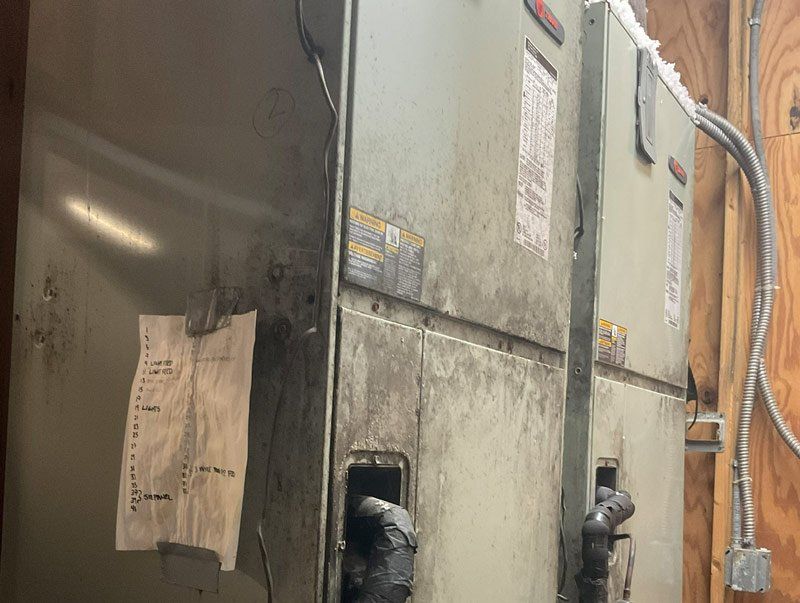
- Older air handler cabinets with rust-compromised drain pans that have begun seeping rather than channeling condensate to the drain line properly.
- Electrical components inside both the air handler and outdoor unit showing terminal corrosion from the consistently elevated humidity that is simply part of life near the lagoon.
- Duct insulation in attic spaces that has absorbed moisture over many years, losing its thermal value and in some cases harboring mold growth that affects indoor air quality.
These are not random failures. They are predictable outcomes of a specific environment, and recognizing them as such is what allows us to repair them in a way that lasts.
How We Work Through a Heat Pump Repair in Oslo
We approach a service call in Oslo knowing that the lagoon environment is an active participant in whatever problem brought us there. That means our diagnostic process accounts for moisture-driven failure modes that would not even be on the checklist for a system fifty miles inland. We work through the full picture before we recommend anything, and we explain what we find in plain terms before we start. Our heat pump repair services include:
- System-wide diagnostics that evaluate refrigerant charge, latent heat performance, electrical condition, and mechanical function as an integrated assessment.
- Evaporator coil inspection and cleaning with specific attention to microbial growth patterns associated with high-humidity environments.
- Drain system evaluation including line diameter adequacy for the condensate volume the system is producing, full clearing, and biological treatment.
- Refrigerant line insulation inspection and replacement where moisture exposure has compromised the material.
- Drain pan assessment in older air handler cabinets, with rust evaluation and recommendations for pan replacement when seepage is occurring.
- Electrical terminal inspection and cleaning on both indoor and outdoor units, with component replacement where corrosion has advanced.
- Duct insulation evaluation in attic spaces for moisture absorption and mold presence that may be affecting air quality throughout the home.
For Oslo homeowners with older systems operating in this kind of environment, our maintenance agreements make a real difference. Getting the system assessed on a regular schedule is the most reliable way to stay ahead of the moisture-driven wear that is always quietly working on the equipment.

An Evening Call Near the Lagoon
We took a call last summer from a woman named Diane who lives on a quiet street in Oslo not far from the lagoon. She had noticed over the course of about three weeks that her home felt sticky and uncomfortable even when the thermostat read at her normal set point. The temperature seemed fine on paper, but the air felt heavy and damp in a way that made the house genuinely unpleasant to be in.
When we arrived and pulled the air handler open, the evaporator coil had a significant layer of biological growth across its surface. The coil was still technically functioning, but the fouling had reduced its capacity to remove moisture from the air to the point where the system could hit the target temperature without actually dehumidifying properly. That is a condition that shows up in numbers as normal operation but feels miserable to live in. We cleaned the coil thoroughly, treated the drain system, and found that the drain pan in her older air handler had developed a hairline seep along one edge that had been wicking moisture into the cabinet base for an unknown length of time.
Diane said she had mentioned the sticky feeling to a technician who had come out the previous year and been told the system was running fine. Technically it was. But running fine and performing correctly are not always the same thing, and in a lagoon-adjacent community like Oslo, that distinction matters.
A Repair Company That Takes Oslo Seriously
Oslo does not get the attention that larger nearby communities do, but the people who live here take their homes just as seriously and deserve service that reflects that. Bates Air and Heat is veteran-owned, and we bring the same preparation and accountability to a call in Oslo that we would bring anywhere else in Indian River County. We understand what this environment does to HVAC equipment, and that understanding shapes how we work. Here is what you can count on when you call us:
- A technician who arrives familiar with the specific failure patterns common in lagoon-corridor homes and looks for them proactively during the diagnostic.
- Emergency availability when a system failure cannot wait, because Oslo summers do not cool off enough overnight to make a broken heat pump tolerable.
- Clear, honest reporting of everything we find, including issues that are developing but have not yet caused a failure, so you can make informed decisions about what to address now and what to watch.
- Maintenance agreements that keep lagoon-exposed systems inspected and treated on a regular cycle rather than waiting for something to stop working.
- Straightforward pricing communicated before any work begins, with no pressure to approve repairs you are not ready for.
Oslo is the kind of community that deserves a company it can rely on, and building that kind of reliability one call at a time is exactly what we are here to do.