

Bates Air & Heat LLC
Heat Pump Repair in Jensen Beach, FL
Contact Us Today
Jensen Beach occupies a stretch of Martin County that feels genuinely different from the communities surrounding it. Tucked between the St. Lucie River to the north, the Indian River Lagoon to the west, and the Atlantic barrier island to the east, it is a town shaped by water from nearly every direction. That waterfront character draws people who value the lifestyle it offers, but it also creates an HVAC environment where moisture is an ever-present force and the air your equipment breathes carries compounds that simply do not exist in landlocked settings. Bates Air and Heat is a veteran-owned HVAC company that works in Jensen Beach and approaches every service call with a clear understanding of what that water-surrounded environment does to a residential heat pump over time.
When the Comfort Starts Slipping Away
Jensen Beach homes tend to be well maintained by people who take pride in where they live, which is exactly why early heat pump problems often get rationalized rather than investigated. A system that is losing ground gradually can feel like a seasonal inconvenience rather than a mechanical failure in the making. Knowing which discomforts are worth acting on is what keeps a manageable repair from becoming an expensive one. Pay attention to these:
- The house takes noticeably longer to feel comfortable after you come in from outside, even on days that are not especially extreme by Jensen Beach standards.
- There is a persistent dampness to the indoor air that the thermostat reading does not account for, as though the system is cooling but not drying.
- The outdoor unit has developed a sound during the startup sequence that is new and inconsistent, sometimes present and sometimes not, which points to an electrical component beginning to fail intermittently.
- You are running the system at the same settings as last year but your energy bill is meaningfully higher, which typically signals that the equipment is working harder than it should to produce the same result.
- Areas of the home that were always comfortable have started feeling warmer and stuffier than the rest of the house without any obvious explanation like a closed vent or blocked return.
- Moisture is collecting somewhere around the air handler or supply ductwork that was dry in previous seasons.
In a town where the indoor environment needs to be a genuine refuge from the heat and humidity outside, a heat pump that is beginning to underperform is not something to wait on. Jensen Beach summers do not leave much margin for a system that is already struggling.
Surrounded by Water on Three Sides and What That Means for Your Equipment
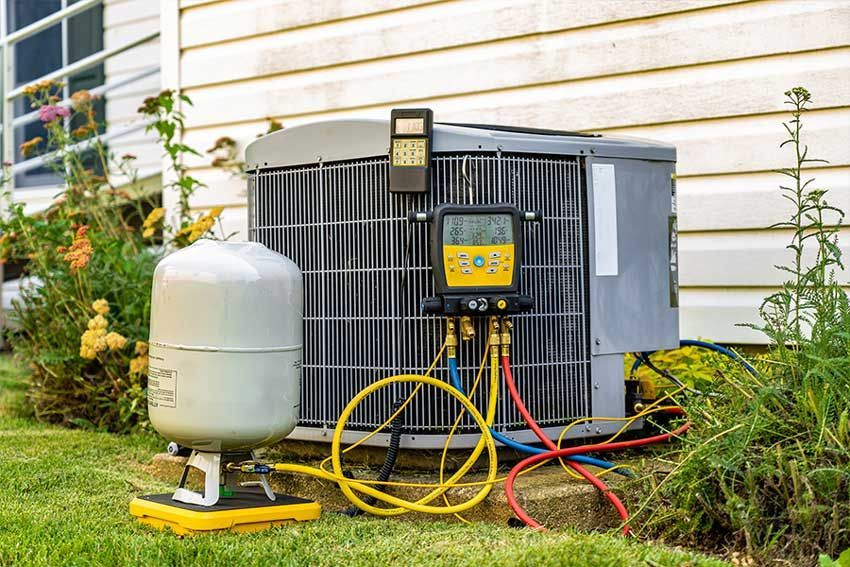
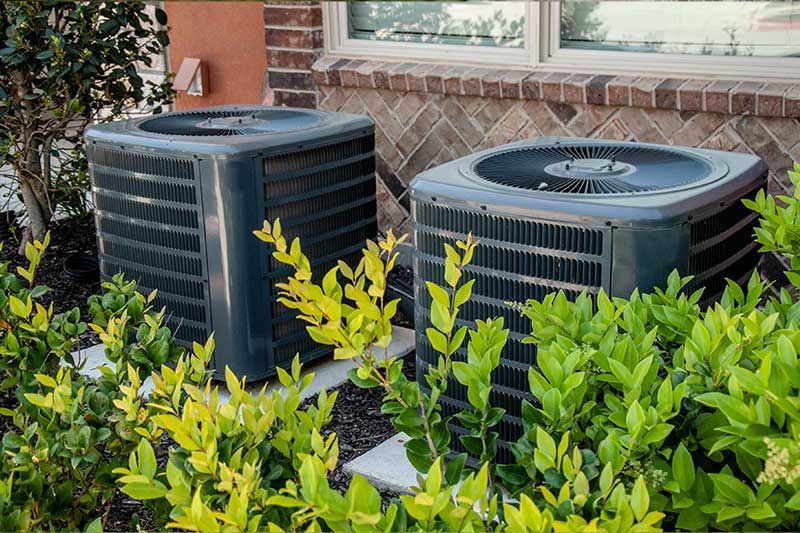
Jensen Beach's position between the St. Lucie River, the Indian River Lagoon, and the Atlantic creates a humidity environment that is genuinely exceptional even by Florida standards. The town sits at the convergence of multiple water bodies, and the moisture they collectively release into the surrounding air keeps dew points elevated and ambient humidity high in ways that communities even a few miles inland do not experience to the same degree. That sustained moisture load affects every part of a heat pump's operating cycle, from how much condensation the evaporator coil processes each hour to how quickly biological growth establishes itself in the drain system to how fast salt and mineral compounds from the combined water sources work on exposed metal surfaces. Many of Jensen Beach's residential properties were developed in the 1970s through the 1990s, with a range of construction quality that determines how well the building envelope manages the moisture pressure from outside. The failure patterns this environment produces on a consistent basis include:
- Evaporator coil surfaces developing dense microbial fouling at a rate significantly faster than in non-waterfront communities, driven by the volume of moisture the system processes from Jensen Beach's consistently high dew points.
- Drain line blockages that occur more frequently and with more resistance than standard algae growth alone because the combination of salt minerals, organic compounds from multiple water sources, and biological growth creates a composite restriction that standard treatment does not fully address.
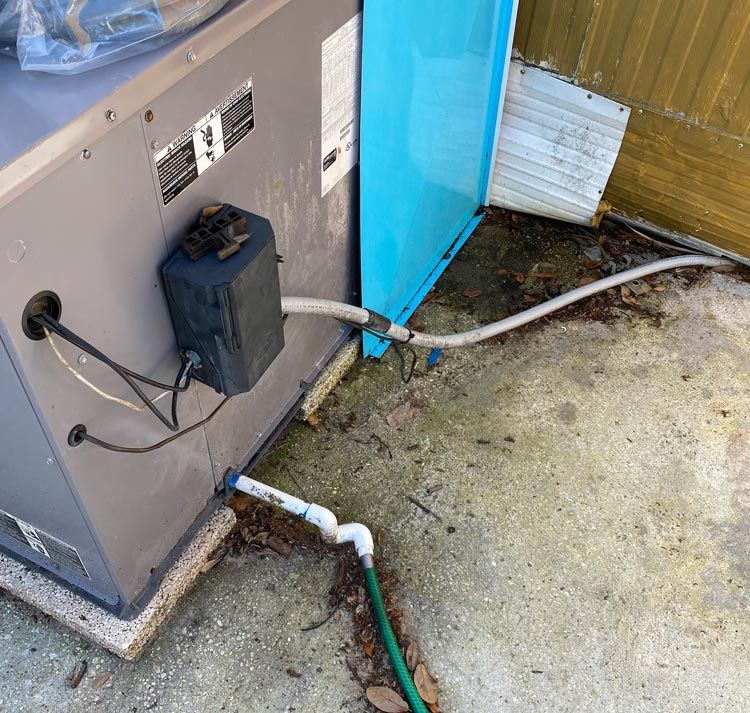
- Outdoor electrical compartments with accelerated terminal and contactor surface corrosion from the mineral-laden air that moves through Jensen Beach from both the river and lagoon directions depending on wind conditions.
- Refrigerant line set connections developing micro-leaks at a pace driven partly by the mineral compounds in the air that work on brazed copper joints and partly by the thermal cycling stress that Florida's temperature swings impose on fittings year-round.
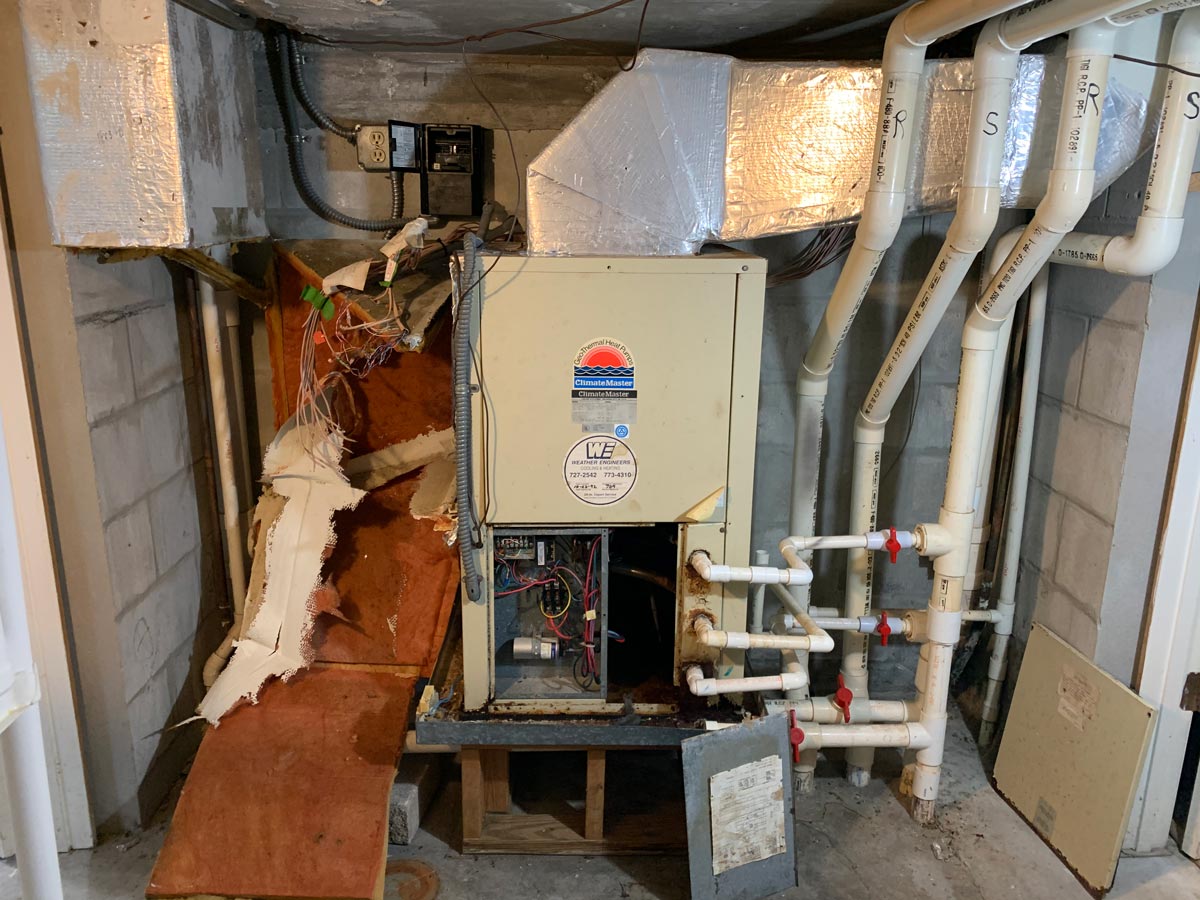
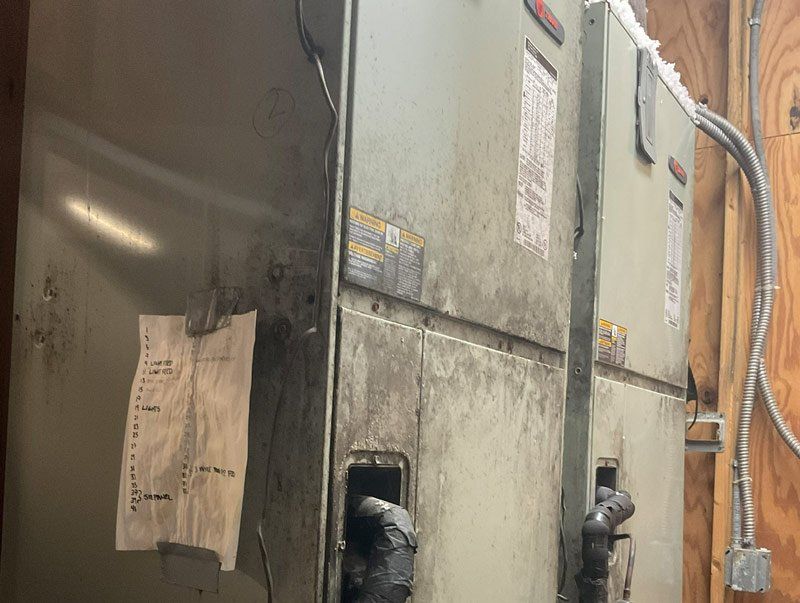
- Air handler cabinet interiors in older homes showing rust and deterioration at the base where condensate pan overflow events, even minor ones, have repeatedly introduced moisture to sheet metal that was never designed for that level of sustained wet contact.
- Indoor air quality issues stemming from duct lining deterioration in systems serving older Jensen Beach homes, where the combination of high humidity cycling and warm attic temperatures has broken down the lining material into particles that circulate through the living space.
The convergence of multiple water bodies around Jensen Beach produces a humidity and mineral load that accumulates in HVAC equipment differently than in any single-water-source environment. Accounting for that in the diagnostic is what makes the repair approach actually fit the conditions the system is dealing with.
Every Layer of Our Heat Pump Repair Service
When we take a call in Jensen Beach, we are not running a generic service checklist. The multi-water-body environment here requires a diagnostic approach that treats moisture as a multidimensional variable, not just a humidity reading. We look at what the specific combination of St. Lucie River, lagoon, and Atlantic air exposure has done to each part of the system before we start recommending repairs. Our heat pump service covers:
- Complete system diagnostics that assess refrigerant performance, electrical component condition, airflow delivery, and moisture processing capacity as a connected picture rather than a set of independent readings.
- Evaporator coil inspection and cleaning calibrated for the dense microbial fouling patterns associated with Jensen Beach's high dew point environment, with assessment of coil surface integrity beyond visible cleanliness.
- Drain system service that goes beyond standard algae clearing to address the composite mineral and biological restriction specific to waterfront communities with multiple water source exposure.
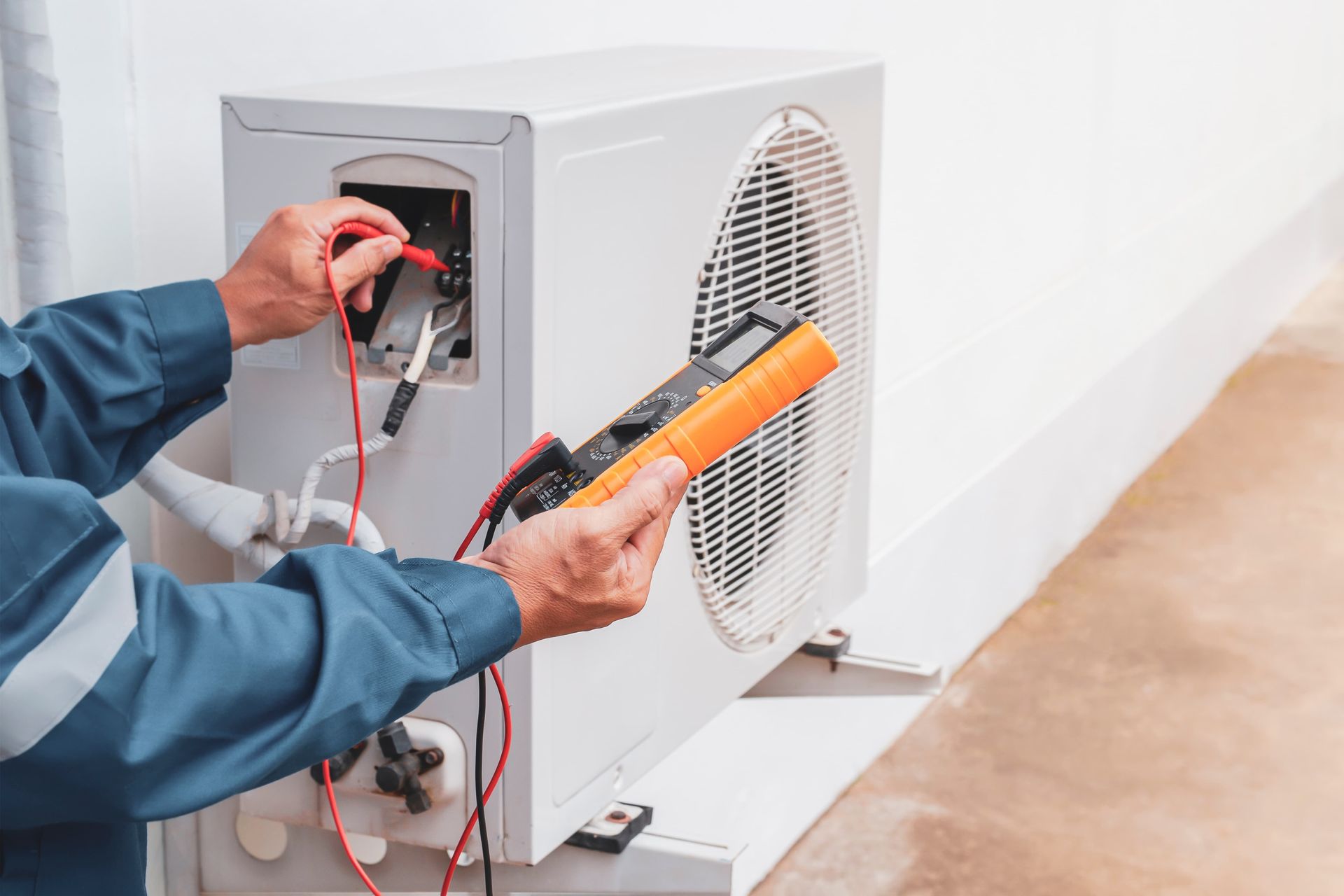
- Outdoor electrical compartment inspection including terminal cleaning, contactor and capacitor condition assessment, and seal evaluation to reduce ongoing mineral air intrusion into the electrical space.
- Refrigerant line inspection along the full accessible run with leak detection sensitive to the micro-leak failure mode common in coastal and waterfront copper exposure scenarios.
- Air handler cabinet interior assessment for rust, condensate pan condition, and duct lining integrity in older systems where the base has been exposed to repeated moisture contact.
- Indoor air quality evaluation when duct lining deterioration or coil fouling is severe enough to be introducing particulate into the living space.
Our maintenance agreements carry specific value for Jensen Beach homeowners because the pace at which this environment works on exposed equipment does not slow down between service calls. A scheduled annual visit is the most practical way to stay ahead of the compounding wear that multi-water-body humidity produces over a full Florida year.
An Early Summer Call Near the River
We got a call in early June from a homeowner named Roberta who lives in Jensen Beach not far from the St. Lucie River. She described a situation that had been developing since late spring: the house felt damp and close even with the system running, and she had started noticing a faint musty quality to the air that was most noticeable in the mornings after the system had run overnight. The thermostat was reading within a degree of her set point consistently, so she had been uncertain whether the problem was real or just a matter of adjusting to summer.
When we opened the air handler, the evaporator coil had a dark, textured layer of microbial growth across most of its surface, denser than what we typically find in non-waterfront settings and consistent with a coil that has been processing Jensen Beach's high-dew-point air through a full season without being cleaned. The drain line was partially restricted by a composite blockage of biological material and mineral deposits, the kind of mixed restriction that develops when river and lagoon mineral compounds combine with algae in the condensate stream. The system was hitting the temperature set point because it still had enough refrigerant and airflow to manage temperature, but its latent heat capacity, its ability to pull moisture from the air, had been significantly compromised by the coil fouling.
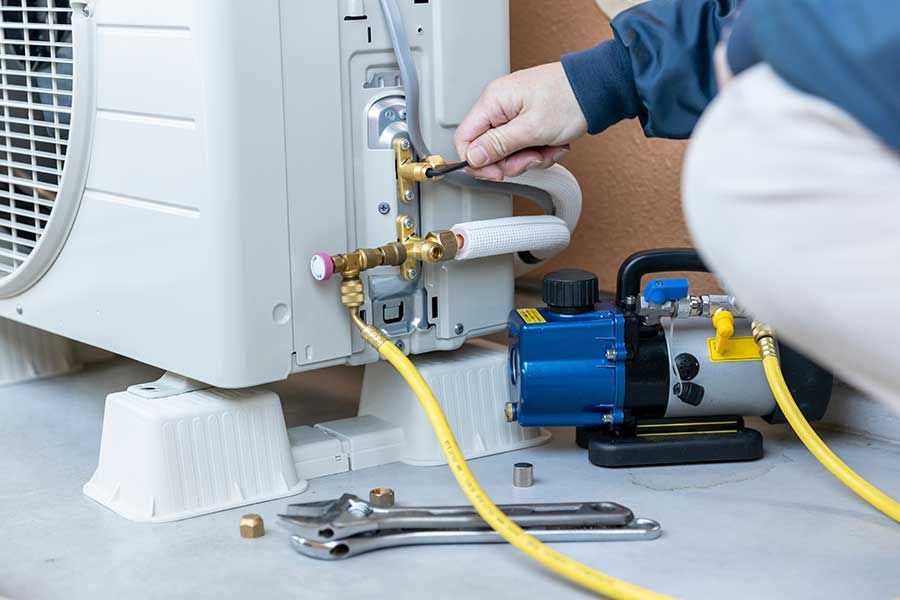
We cleaned the coil thoroughly, cleared the drain line with a process appropriate for the mineral component of the blockage, treated the system with a biological inhibitor, and checked the refrigerant charge and electrical components before we left. Roberta said the air inside felt genuinely different within a couple of hours. She also said she had not realized the proximity to the river was a factor in how often the system needed attention. It always is, and that context is part of every conversation we have with Jensen Beach homeowners after a service call.
A Waterfront Town Deserves Service That Understands It
Jensen Beach is not a generic Florida community, and it should not be serviced by a company with a generic approach. The water that defines this town's character is the same water that is quietly working on your heat pump every day of the year, and the company you call needs to understand that relationship to do the job correctly.
Bates Air and Heat is veteran-owned and built on a foundation of honest, accountable service. We bring that foundation to every call in Jensen Beach, and we approach each one with the environmental awareness the town's unique geography demands. Here is what that commitment produces for you as a homeowner:
- A diagnostic process that treats the convergence of river, lagoon, and Atlantic air exposure as an active variable in the system's condition rather than background context.
- Emergency availability when a system failure makes the indoor environment as uncomfortable as the waterfront summer outside, because Jensen Beach does not offer much relief from the heat when the AC goes down.
- Honest assessment of what the multi-water-body environment has done to your equipment and what the realistic options are for repair, maintenance, or eventually replacement when corrosion and fouling have run their course.
- Repairs completed with materials and methods appropriate for waterfront conditions, because the right fix in Jensen Beach has to account for the environment it is going back into.
- Maintenance agreements that give your system the regular attention the waterfront climate actually requires, not the once-every-couple-of-years approach that might be adequate somewhere else.
Jensen Beach is a place worth taking care of. We feel the same way about the homes and the people in it, and that is the standard we bring to every service call we take here.
Frequently Asked Questions
CHECK OUT THE OTHER HVAC SERVICES WE PROVIDE IN Jensen Beach, FL
or call us at: